The country
Togo is a small West African nation with remarkable geographical diversity. Its territory, though small, extends from the sandy coast of the Gulf of Guinea to the hills and savannahs of the interior. This variety of landscapes has helped shape the country’s culture and economy.
As of 2023, Togo’s population was approximately 9,304,337. Population growth is significant, with a population growth rate of 2.5%. The population distribution is predominantly rural, with 60% of the population living in rural areas. Life expectancy at birth is approximately 62 years for men and 66 years for women.
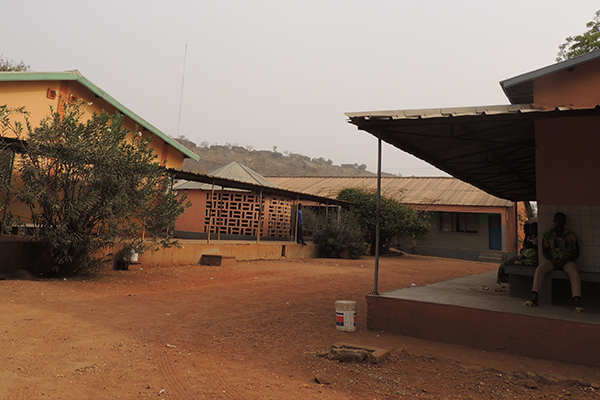
From a socioeconomic point of view, Togo is a developing country. The Togolese economy is mainly based on agriculture, fishing and trade. Despite the progress made in recent years, the country still faces significant challenges such as social inequalities, poverty and dependence on climatic conditions in agriculture.
Politically, Togo has had a history of instability. In recent years, the country has experienced a period of relative calm, but political challenges remain numerous, including the fight against corruption and the promotion of sustainable development.
The health situation also presents significant challenges, with infectious diseases such as malaria, yellow fever and tuberculosis, especially in rural areas. Access to basic health services is limited, with a lack of qualified medical personnel and adequate infrastructure. Infant and maternal mortality are still high, due to complications during childbirth, malnutrition and preventable diseases.
In 2022, the neonatal mortality rate in Togo was approximately 23 deaths per 1,000 live births. This figure highlights the urgent need to improve neonatal care in the country, where access to quality health services is limited and resources are scarce. The Paolo Chiesi Foundation, through the NEST project (Neonatal Essentials for Survival and Thriving), is working to address these challenges and improve neonatal survival in Togo.
(Source: data.who.int)
Togo in numbers
Togo in numbers
Our intervention
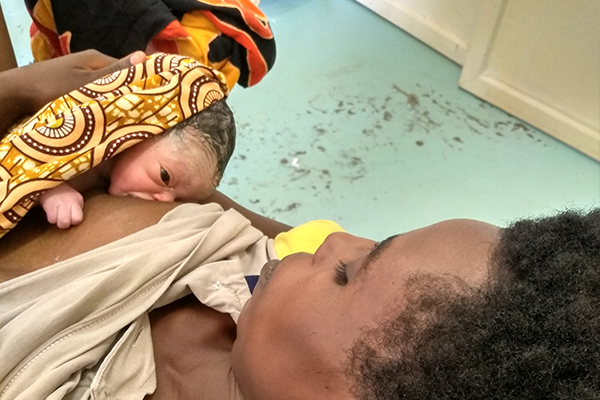
In 2018, the Paolo Chiesi Foundation started a collaboration with the Hôpital d’Enfants Yendube (HEY) in Dapaong, in northern Togo, with the aim of strengthening the quality of neonatal care and improving the care of vulnerable newborns in the Savannah Region.
Yendube Children’s Hospital is a referral pediatric center for children aged 0 to 10 years and plays a key role in managing the region’s major pediatric and neonatal conditions. The partnership with the Foundation focuses on strengthening the neonatal care model through an integrated approach involving healthcare professionals, families, and the community.
A central element of the intervention is the continuous strengthening of the skills of healthcare personnel, through theoretical and practical training activities carried out in collaboration with national and international experts, with the aim of improving the management of premature infants, low birth weight newborns and complex neonatal cases, promoting the application of essential neonatal care and Family-Centered Care practices, including Kangaroo Care.
At the same time, the Foundation and the Hospital support the active involvement of families in newborn care through communication and awareness-raising activities aimed at mothers and caregivers. The goal is to strengthen families’ knowledge of breastfeeding, Kangaroo Care, and the early recognition of danger signs, encouraging greater participation in newborn care during hospitalization and after discharge.
The collaboration also aims to structure a system of follow-up for discharged newborns and home visits, to ensure continuity of care, monitor the growth and development of the most vulnerable newborns and support families even after they return home.
Another strategic area of intervention involves the creation of a local perinatal network. Since the Hôpital d’Enfants Yendube does not have a maternity ward, all newborns admitted to the neonatology ward are outborn—that is, born outside the hospital and subsequently transferred to the facility for specialized care. This often results in their arrival in critical condition, impacting their chances of recovery. For this reason, the Foundation and the Hospital are working with local institutions to develop a collaborative network between local healthcare facilities, improving the early identification of at-risk newborns, timely transfer, and liaising between birth and neonatal care services.
Our intervention
In 2018, the Paolo Chiesi Foundation started a collaboration with the Hôpital d’Enfants Yendube (HEY) in Dapaong, in northern Togo, with the aim of strengthening the quality of neonatal care and improving the care of vulnerable newborns in the Savannah Region.
Yendube Children’s Hospital is a referral pediatric center for children aged 0 to 10 years and plays a key role in managing the region’s major pediatric and neonatal conditions. The partnership with the Foundation focuses on strengthening the neonatal care model through an integrated approach involving healthcare professionals, families, and the community.
A central element of the intervention is the continuous strengthening of the skills of healthcare personnel, through theoretical and practical training activities carried out in collaboration with national and international experts, with the aim of improving the management of premature infants, low birth weight newborns and complex neonatal cases, promoting the application of essential neonatal care and Family-Centered Care practices, including Kangaroo Care.
At the same time, the Foundation and the Hospital support the active involvement of families in newborn care through communication and awareness-raising activities aimed at mothers and caregivers. The goal is to strengthen families’ knowledge of breastfeeding, Kangaroo Care, and the early recognition of danger signs, encouraging greater participation in newborn care during hospitalization and after discharge.
The collaboration also aims to structure a system of follow-up for discharged newborns and home visits, to ensure continuity of care, monitor the growth and development of the most vulnerable newborns and support families even after they return home.
Another strategic area of intervention involves the creation of a local perinatal network. Since the Hôpital d’Enfants Yendube does not have a maternity ward, all newborns admitted to the neonatology ward are outborn—that is, born outside the hospital and subsequently transferred to the facility for specialized care. This often results in their arrival in critical condition, impacting their chances of recovery. For this reason, the Foundation and the Hospital are working with local institutions to develop a collaborative network between local healthcare facilities, improving the early identification of at-risk newborns, timely transfer, and liaising between birth and neonatal care services.
Our main activities in Togo
Training and mentoring of health workers to strengthen their capacity in managing essential neonatal care and vulnerable newborns
Promotion of Family-Centered Care and Kangaroo Care, through the active involvement of families in newborn care
Development of a system of follow-up and home visits to ensure continuity of care after discharge and to support families throughout their child’s growth
Creation of a territorial perinatal network to improve coordination between healthcare facilities, promote early identification of at-risk newborns and ensure timely transfers to neonatology
We also work in