The country
Nepal is a country in South Asia known for its majestic mountain range, the Himalayas. Its geography is extremely diverse, ranging from the high peaks of the Himalayas to the fertile plains of the Terai. This diversity of landscapes has profoundly influenced Nepal’s culture and economy.
As of 2023, the population of Nepal was approximately 29,694,614. Population growth is significant, with a population growth rate of -0.07%. The population distribution is predominantly rural, with 60% of the population living in rural areas. Life expectancy at birth is approximately 68 years for men and 72 years for women.
From a socioeconomic point of view, Nepal is a developing country. Agriculture is the mainstay of the economy, but it is highly dependent on climatic conditions and the availability of arable land. Tourism, especially related to mountaineering and trekking, is an important source of income, but it is sensitive to external factors such as natural disasters and political instability. Social inequalities are significant, and a significant part of the population lives in poverty.
Politically, Nepal has undergone a period of great transformation. After a long period of absolute monarchy, the country has adopted a republican and federal form of government. However, political challenges remain numerous, including managing ethnic and linguistic diversity, fighting corruption, and strengthening democratic institutions.
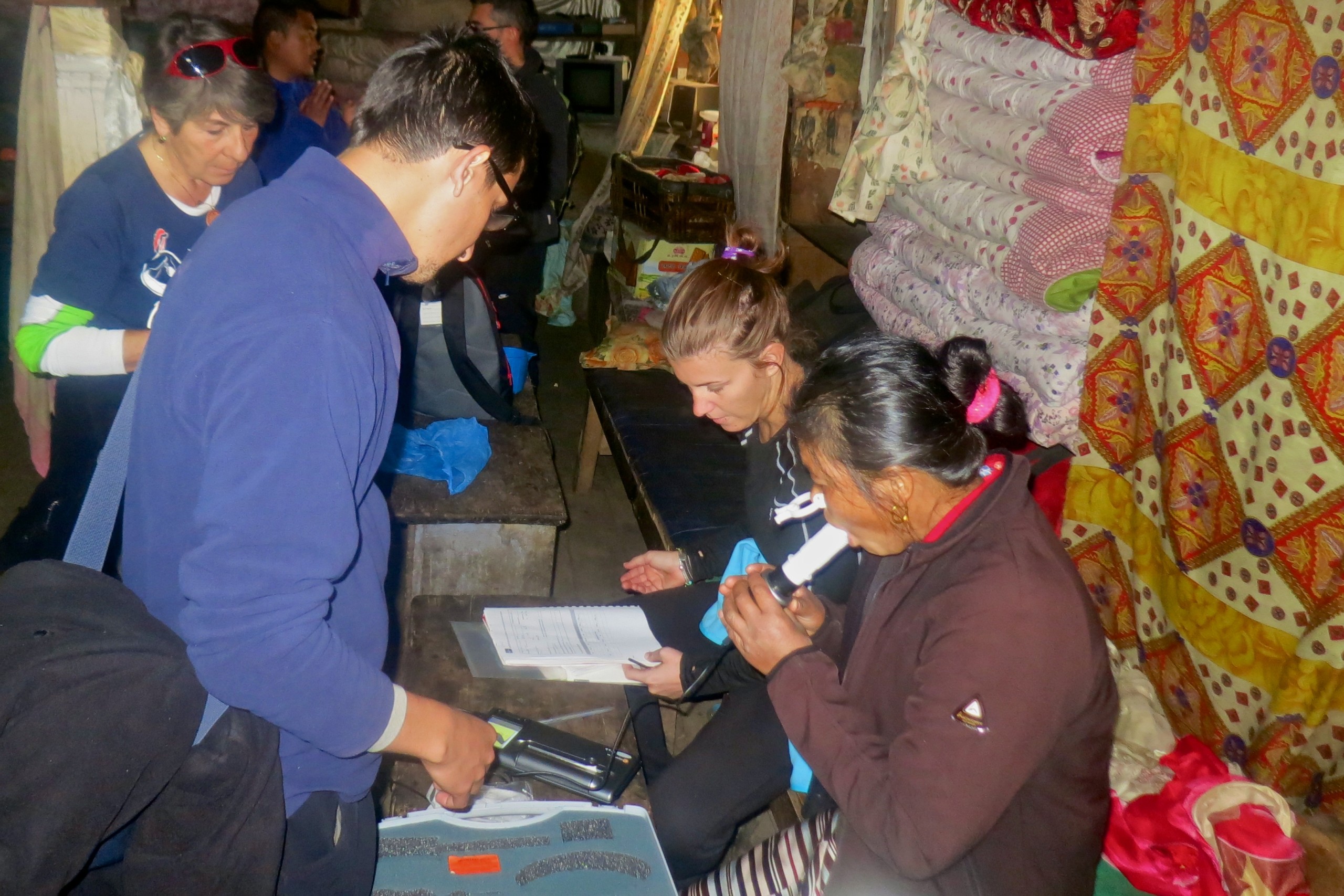
Access to basic health services remains limited, especially in rural and remote areas: infectious diseases such as tuberculosis and diarrhoeal diseases are endemic. Malnutrition, particularly among children, is a widespread problem, especially in mountainous regions. The public health system, although constantly improving, suffers from shortages of resources, medical personnel, and adequate infrastructure.
In 2022, the mortality rate from lower respiratory infections in Nepal was approximately 20.15 deaths per 100,000 population. This data highlights the urgent need to improve the management of respiratory diseases in the country. The Paolo Chiesi Foundation, through the GASP (Global Access to Sustainable Pulmonology), is working to address these challenges and improve the quality of life of patients with asthma and chronic obstructive pulmonary disease (COPD).
(Source: data.who.int)
Nepal in numbers
Nepal in numbers
Our intervention
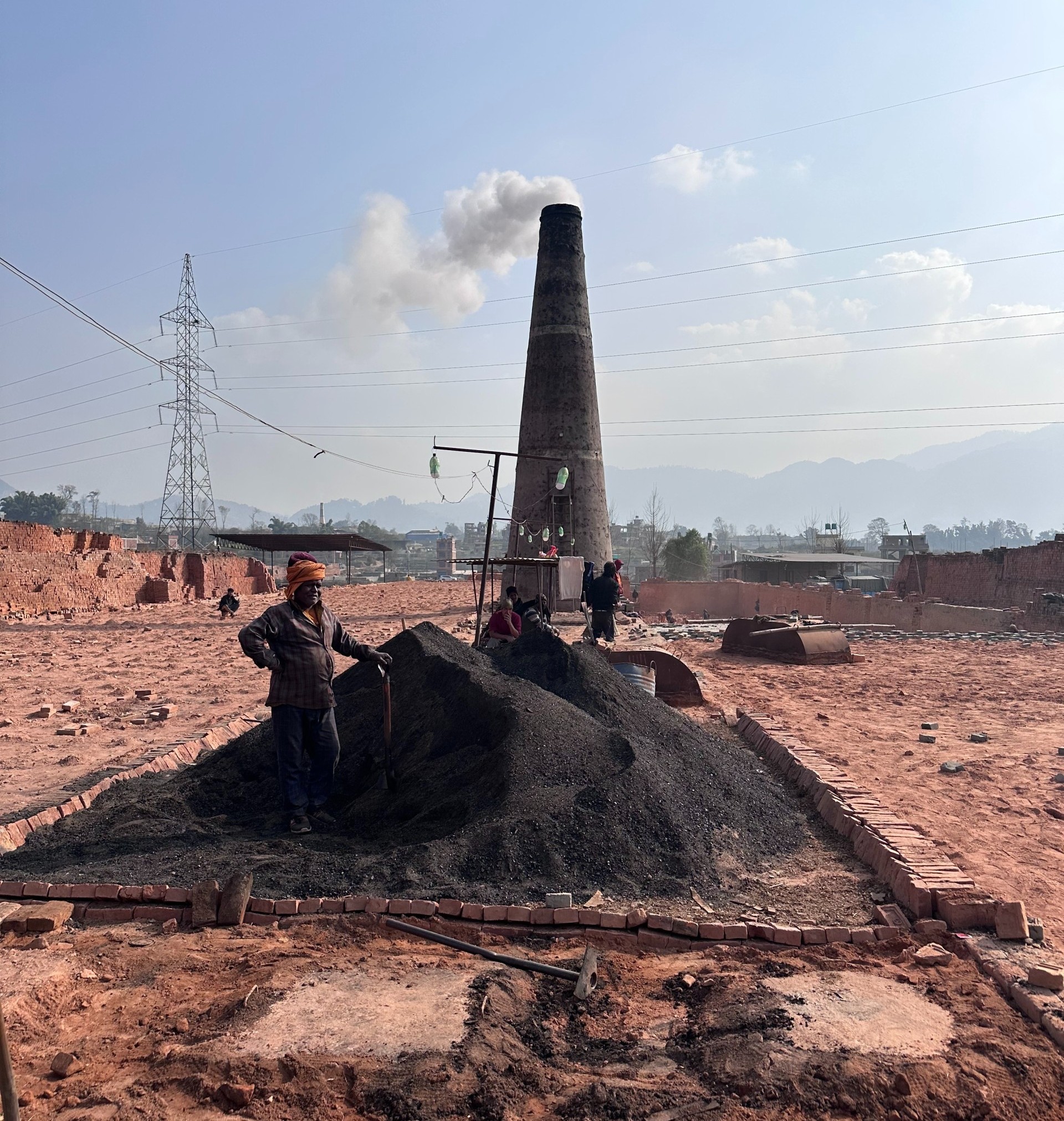
Since 2023, the Paolo Chiesi Foundation has supported a respiratory research and screening project led by Johns Hopkins University in Bhaktapur, Nepal. The initiative focuses in particular on brick kiln workers, a population exposed daily to high levels of dust and respirable silica and, consequently, at increased risk of developing respiratory diseases.
The project combines spirometry screening, research and awareness-raising to support the early identification of potential respiratory problems, collect data on the impact of occupational exposure, and increase awareness among workers and brick kiln owners of health risks and the importance of prevention.
With the Foundation’s support, diagnostic equipment and training have been provided to staff involved in screening activities. The project has also promoted the engagement of brick kiln owners and other local stakeholders, helping to strengthen attention to respiratory health and working conditions in a sector characterised by high exposure to risk factors.
Building on the experience gained, the Foundation is exploring, together with local partners and healthcare facilities, the development of a clinical component of the GASP Model in Nepal, with the aim of identifying one or more centres with which to develop a sustainable intervention that can be progressively integrated into the local health system.
Our intervention
Since 2023, the Paolo Chiesi Foundation has supported a respiratory research and screening project led by Johns Hopkins University in Bhaktapur, Nepal. The initiative focuses in particular on brick kiln workers, a population exposed daily to high levels of dust and respirable silica and, consequently, at increased risk of developing respiratory diseases.
The project combines spirometry screening, research and awareness-raising to support the early identification of potential respiratory problems, collect data on the impact of occupational exposure, and increase awareness among workers and brick kiln owners of health risks and the importance of prevention.
With the Foundation’s support, diagnostic equipment and training have been provided to staff involved in screening activities. The project has also promoted the engagement of brick kiln owners and other local stakeholders, helping to strengthen attention to respiratory health and working conditions in a sector characterised by high exposure to risk factors.
Building on the experience gained, the Foundation is exploring, together with local partners and healthcare facilities, the development of a clinical component of the GASP Model in Nepal, with the aim of identifying one or more centres with which to develop a sustainable intervention that can be progressively integrated into the local health system.
Our main activities in Nepal
Respiratory health screening and research, with a particular focus on brick kiln workers exposed to dust and respirable silica.
Strengthening diagnostic capacity, through access to equipment such as spirometers and training for staff involved in screening activities.
Awareness-raising and stakeholder engagement, promoting awareness of respiratory risks and prevention among workers, brick kiln owners and other local stakeholders.
Feasibility study for the development of respiratory health services, aimed at identifying one or more healthcare partners and assessing the conditions needed to establish a clinical component dedicated to the diagnosis and management of patients with respiratory diseases.
We also work in