The country
Côte d’Ivoire lies on the Gulf of Guinea, in West Africa, and borders Liberia, Guinea, Mali, Burkina Faso and Ghana. The climate is tropical along the coast and becomes semi-arid in the far north. Since 1983 the official capital has been Yamoussoukro, while Abidjan remains the economic and administrative capital. Côte d’Ivoire is the world’s largest cocoa producer, and cocoa, together with gold, is also its leading export. Between 2012 and 2019 the economy grew by an average of 8% a year, one of the fastest rates in sub-Saharan Africa. Yet while poverty is falling in the cities, it continues to rise in rural areas.
With around 32.7 million inhabitants, Côte d’Ivoire has a young population: 38% are under 15, and women have on average more than four children. Just over half of the population lives in cities. Life expectancy at birth is about 60 years for men and 64 for women. In 2023 the country’s Human Development Index stood at 0.582, ranking 157th in the world: between 2022 and 2023 it recorded the fastest improvement in sub-Saharan Africa.
Independent from France since 1960, Côte d’Ivoire was long one of the most prosperous states in West Africa. From the late 1990s, however, a series of coups and conflicts destabilised the country, culminating in the 2010–2011 post-electoral crisis, which claimed around 3,000 lives. Since then, political stability has gradually been consolidated. Alassane Ouattara, president since 2011, was re-elected for a fourth term in October 2025.
Since 1990, under-five mortality has fallen from 154 to 65 deaths per 1,000 live births. However, neonatal mortality, at 27 deaths per 1,000 live births, and maternal mortality, at 359 per 100,000, remain among the highest in the world. In this context, the Foundation works through the NEST Model (Neonatal Essentials for Survival and Thriving) together with Doctors with Africa CUAMM and the Ministry of Health’s National Mother and Child Health Programme. The project trains maternity and neonatal staff in essential newborn care and neonatal resuscitation, and provides equipment to partner facilities, including the Abobo Regional Hospital Centre.
(Sources: United Nations, World Population Prospects 2024; UNICEF; UN IGME; UNDP, Human Development Report 2025; Government of Côte d’Ivoire; World Bank; CIA World Factbook; UNFPA; International IDEA)
Côte d’Ivoire in numbers
Côte d’Ivoire in numbers
Our intervention
In 2024 the Paolo Chiesi Foundation began a collaboration with Doctors with Africa CUAMM to support the project “Ensuring quality newborn care in Abobo, Abidjan”, launched in response to the country’s high neonatal mortality. The project is aligned with the Ivorian government’s Maternal and Perinatal Death Surveillance and Response Strategy and its Maternal and Child Health Strategic Plan 2021–2025, and contributes to Goal 3 of the United Nations 2030 Agenda.
The aim is to improve the quality of newborn care in three key health facilities in the municipality of Abobo: the Formation Sanitaire à Base Communautaire of Anonkoua-Kouté (FSU-COM), the Hôpital Général Privé Confessionnel Saints Cœurs de Clouétcha (HGPC) and the Centre Hospitalier Régional of Abobo (CHR), where 5,044 babies were born in 2025. The project is carried out in collaboration with the Ministry of Health’s Programme National de Santé de la Mère et de l’Enfant (PNSME).
2024 was devoted to assessing needs and to theoretical and practical training for health workers at the three facilities, with a particular focus on the care of premature, low-birth-weight and sick newborns. The training modules, developed together with the PNSME, include simulations and hands-on exercises. At the CHR of Abobo, the project also supported the opening and start-up of the new neonatal unit, inaugurated at the end of 2024.
In 2025 the work continued with ongoing supervision and monitoring of the partner facilities and the strengthening of medical equipment, supporting the care of newborns, especially premature and low-birth-weight babies. During the year, 42 items of medical equipment were distributed and 610 newborns were admitted to neonatal care together with their families.
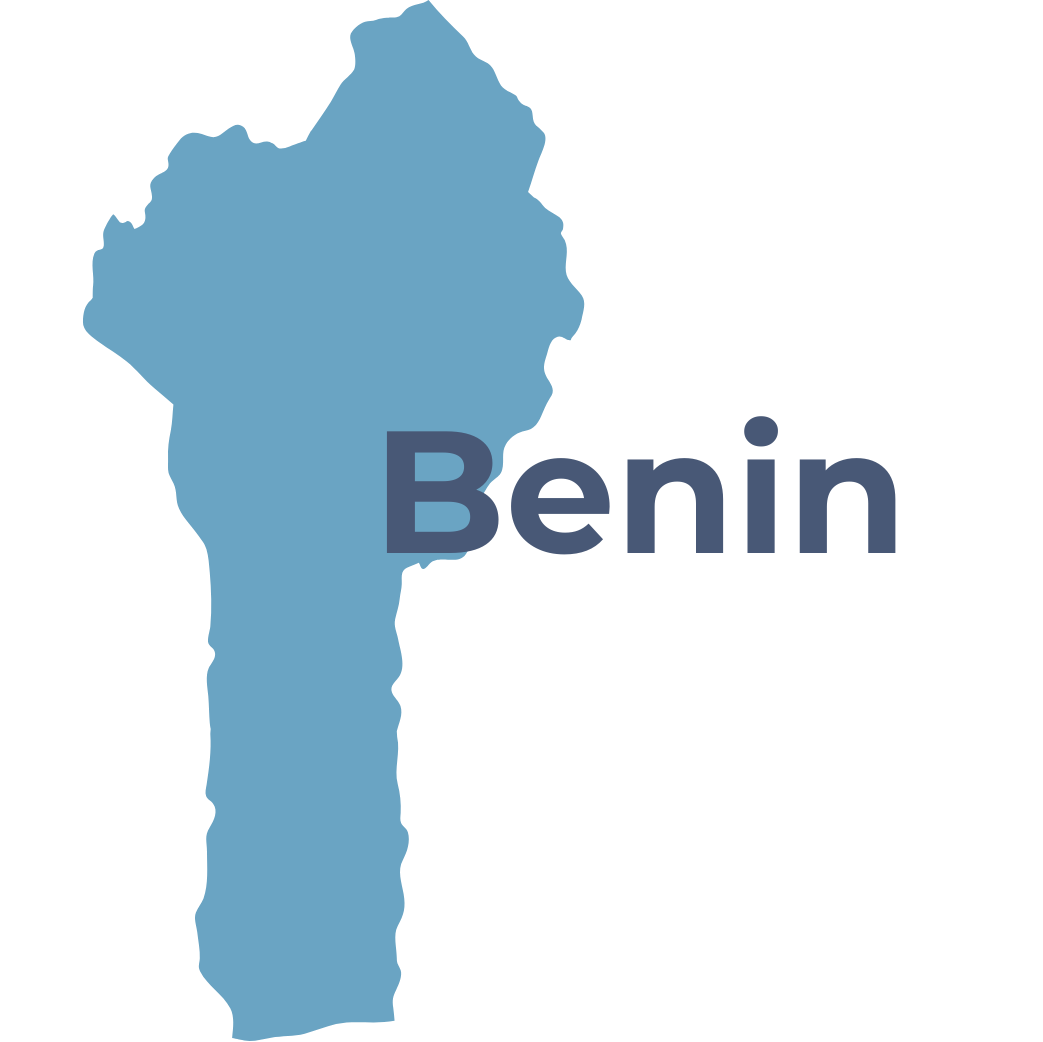
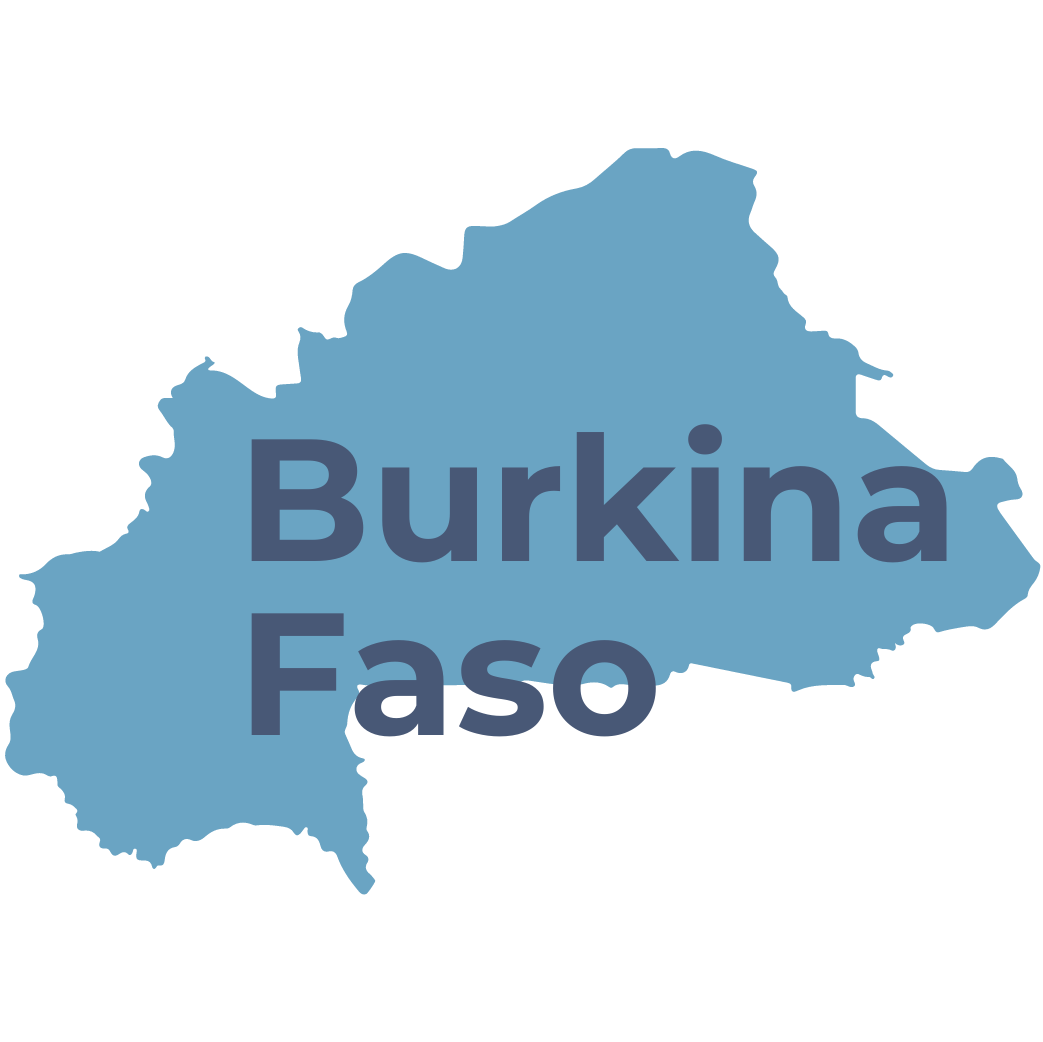
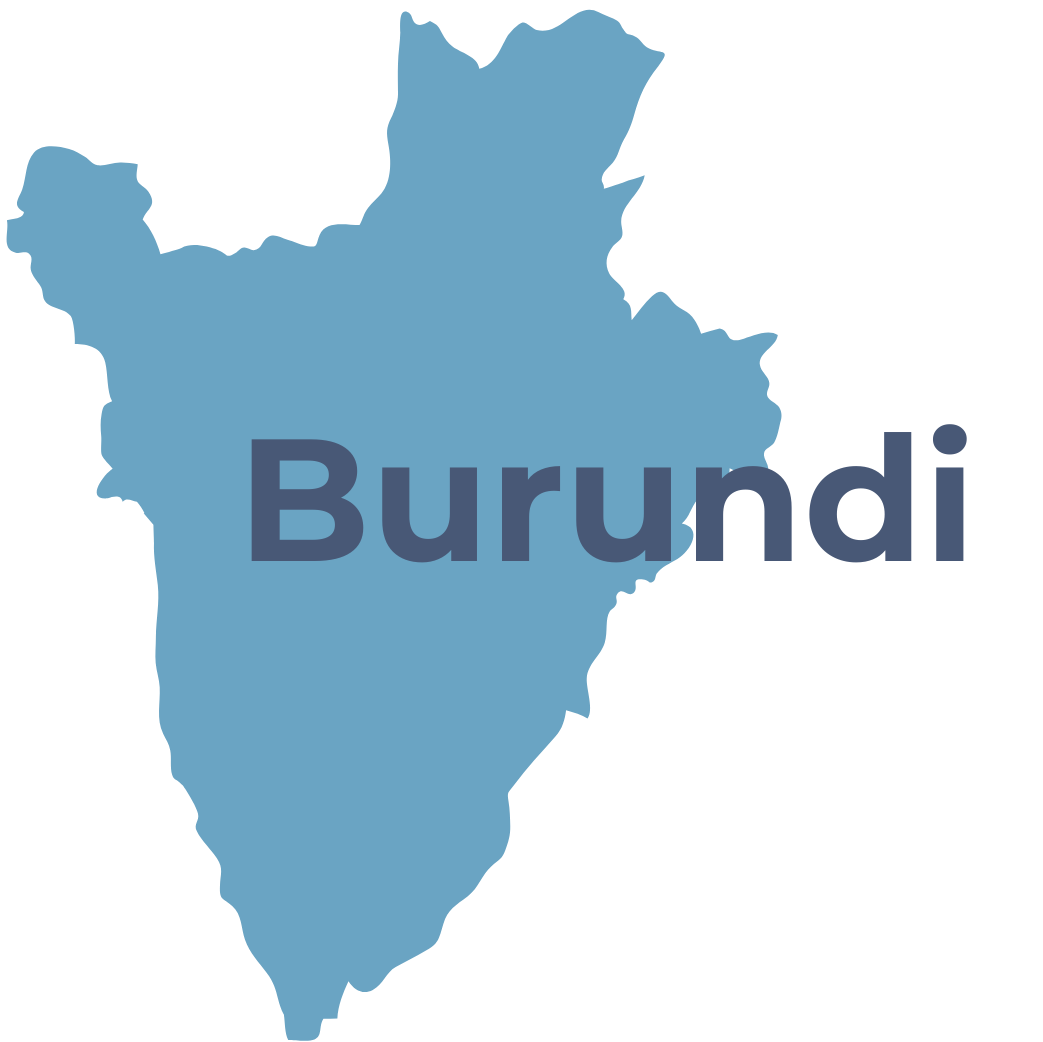
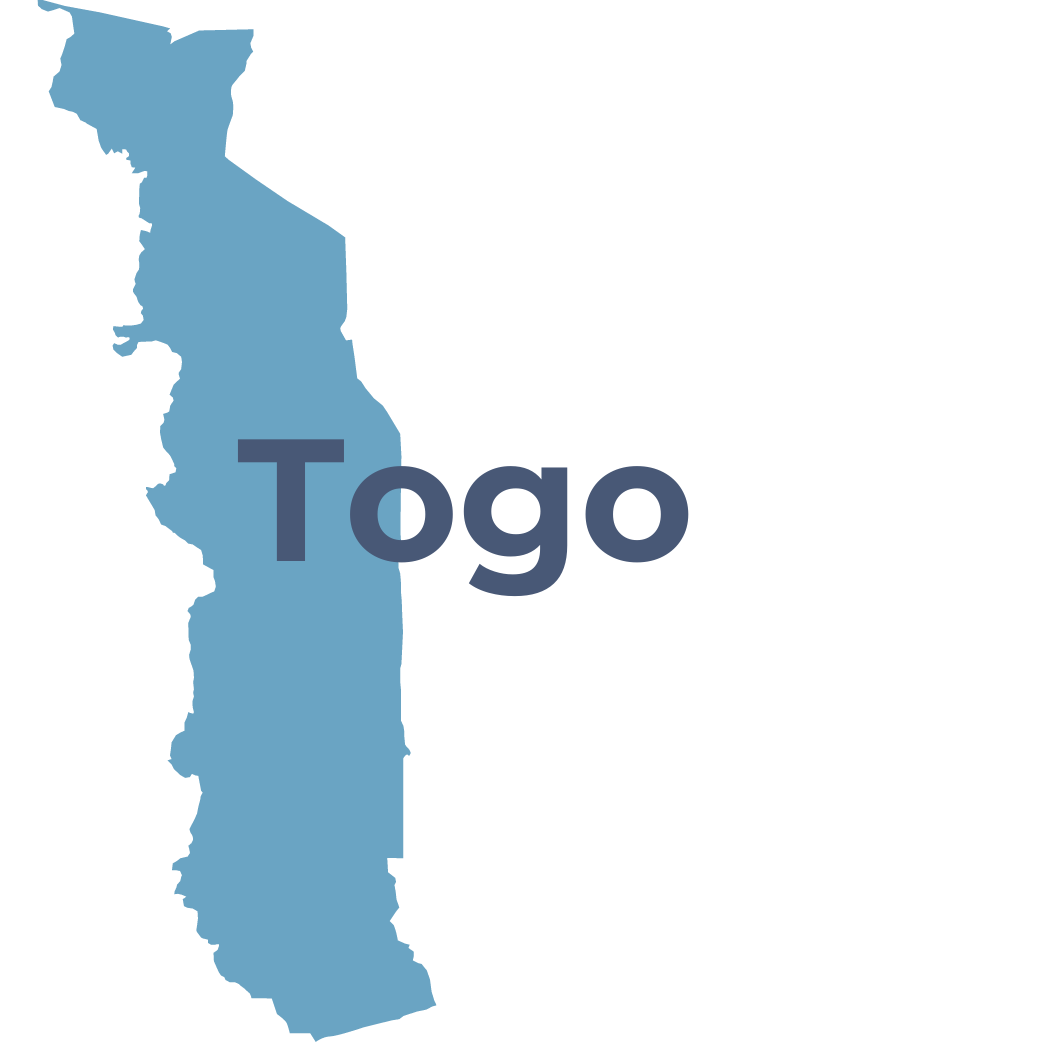
From 7 to 10 July 2025, Abidjan hosted the NEST Partners Meeting organised by the Foundation, which brought together NEST Model partners from Benin, Burkina Faso, Burundi, Côte d’Ivoire, the Central African Republic, Senegal and Togo. Medical and nursing staff from the CHR of Abobo took part in the meeting, together with two PNSME trainers, and the programme included a visit to the national Kangaroo Care reference centre at the CHU of Treichville.
During the meeting, the Foundation and its partners held discussions with the Ministry of Health, the PNSME, the Direction des Soins Infirmiers Maternels et Infantiles and representatives of WHO, UNICEF, the Gates Foundation, Jhpiego and CUAMM on maternal and newborn health priorities and on the role of the NEST Model in strengthening health systems.
Our main activities in Côte d’Ivoire
Theoretical and practical training for maternity and neonatal staff, in collaboration with the PNSME
Provision of medical equipment and support for the opening of the neonatal unit at the CHR of Abobo
Ongoing supervision and monitoring of partner facilities
Participation in the NEST Partners Meeting in Abidjan
We also work in