The country
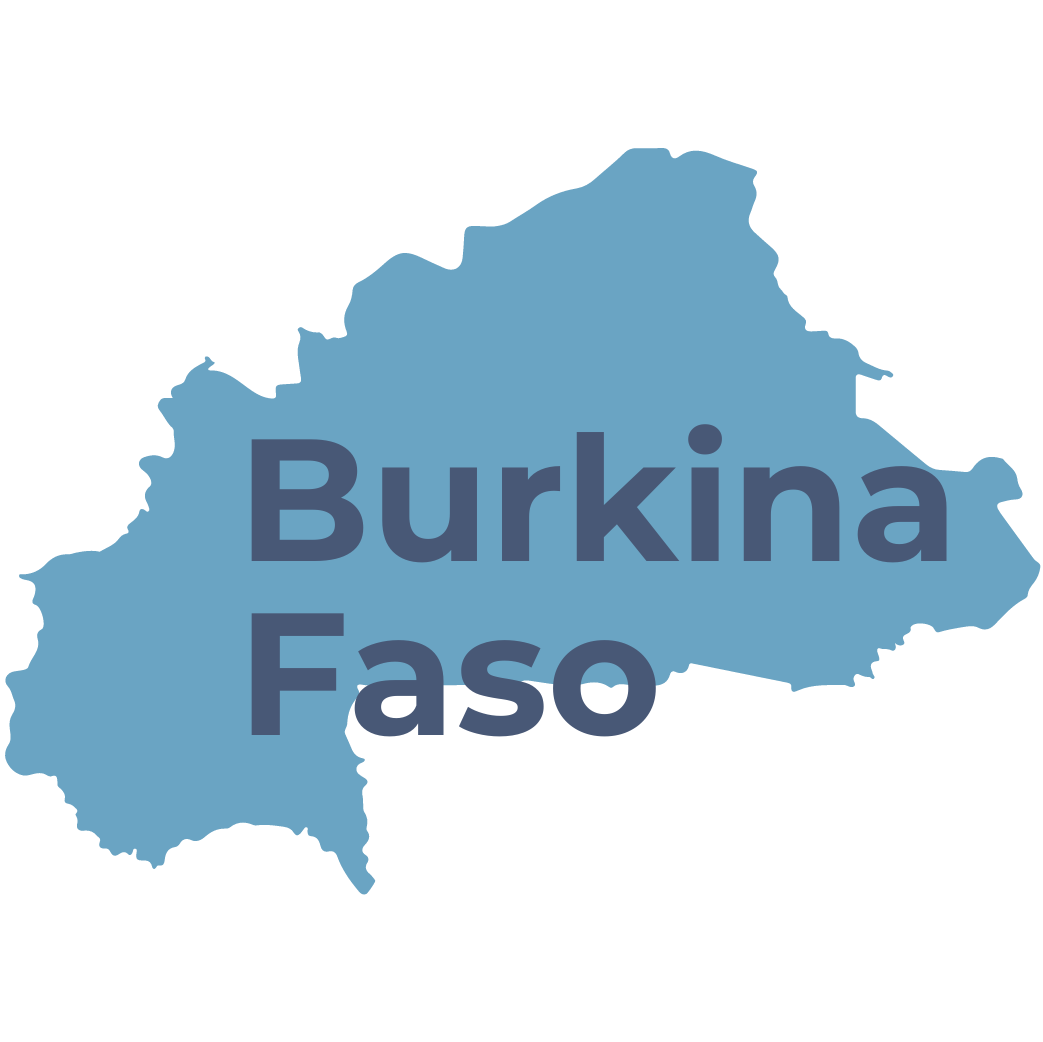
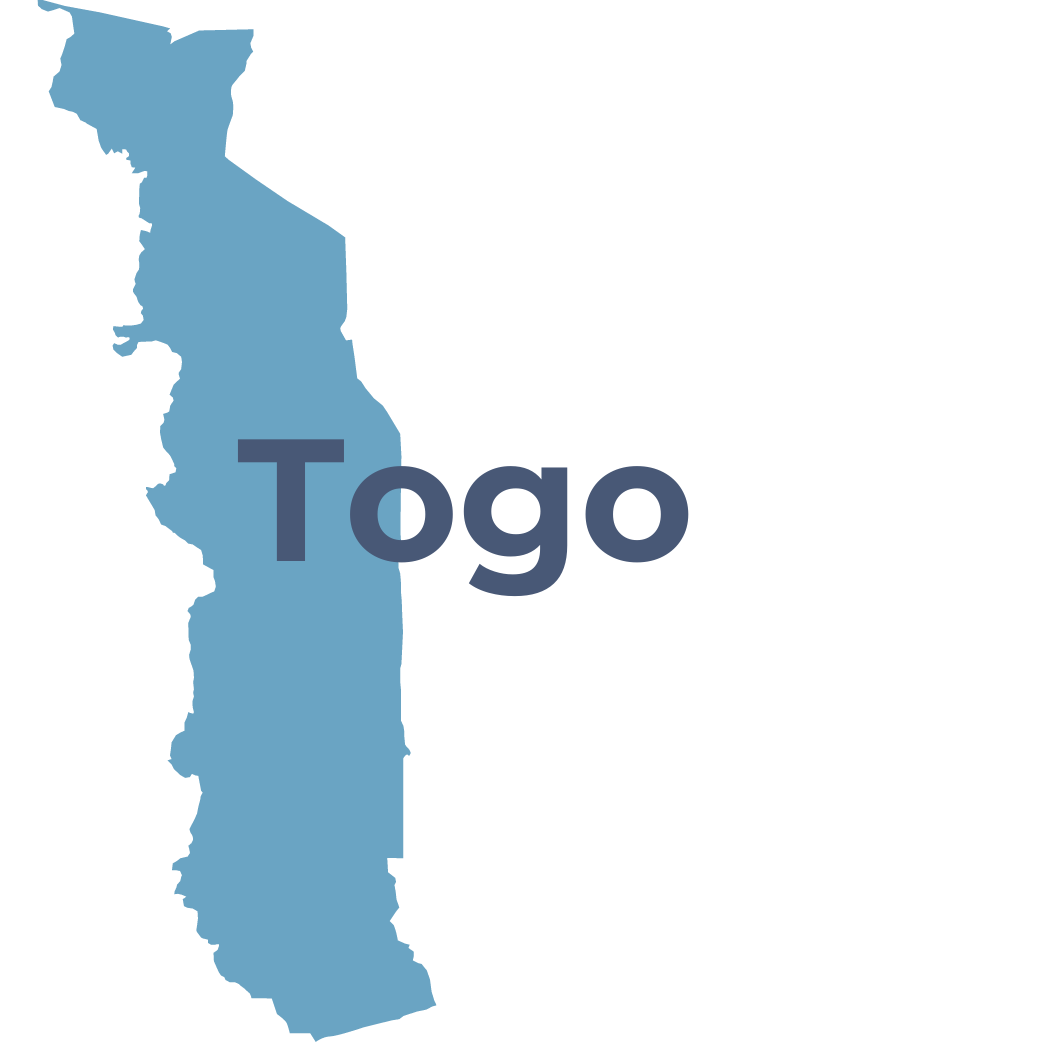
Benin lies on the Gulf of Guinea, between Togo and Nigeria, and stretches north to the borders of Niger and Burkina Faso. From the coastal and lagoon areas, home to Cotonou, the economic capital, and Porto-Novo, the official capital, the land rises towards the savannahs and the Atacora hills. The economy relies largely on agriculture, with cotton as the main export crop, and on the port of Cotonou, a trade hub that also serves the landlocked countries of the region.
With around 14.8 million inhabitants, Benin has a young and fast-growing population, with an average of more than four children per woman. Life expectancy at birth is about 62 years for men and 66 for women. Living conditions vary widely between the coastal cities and rural areas, and between the south and the north of the country, where services and infrastructure are scarcer.

Independent since 1960, Benin began a peaceful democratic transition in 1990, often cited as a reference point in the region. In 2026 the country saw a transfer of power at the top of the State, with the election of Romuald Wadagni as president. The northern regions, bordering the Sahel, are facing a deteriorating security situation linked to the activity of armed groups from neighbouring countries.
The health system has made significant progress: since 1990, under-five mortality has fallen by more than half. Access to care is still difficult, however, especially in rural areas, where health workers are too few and unevenly distributed. Malaria is the leading cause of illness. Neonatal mortality, at 27 deaths per 1,000 live births, is among the highest in the world, meaning that around 13,000 newborns every year do not survive their first month of life. Maternal mortality is also very high, at 518 deaths per 100,000 live births. This is where the Foundation steps in with the NEST Model (Neonatal Essentials for Survival and Thriving), improving the quality of care for the most vulnerable newborns.
(Sources: United Nations, World Population Prospects 2024; UN IGME; WHO; UNDP, Human Development Report 2025)
Benin in numbers
Benin in numbers

Our intervention
The Paolo Chiesi Foundation has been present in Benin since 2011, through a collaboration with the Saint Jean de Dieu Hospital in Tanguiéta (HSJDT). In 2025, the program was expanded to the Centre Hospitalier et Universitaire de la Mère et de l’Enfant Lagune de Cotonou (CHU-MEL), a national referral hospital for maternal and child health.
At Tanguiéta Hospital, located in the north of the country in an area characterized by high healthcare needs, the Foundation supports improving the quality of neonatal care by strengthening the skills of healthcare personnel, improving the organization of services, and promoting a family-centered approach. Special attention is paid to the prevention and control of nosocomial infections through training, audits, and the strengthening of hospital hygiene measures.

The program also promotes continuity of care after discharge through follow-up activities, including home visits, and supports the creation of a local perinatal network to improve coordination between different levels of care. The Kangaroo Care unit will also be expanded and reorganized, located near the neonatology department to provide more adequate space, encourage mothers to remain with their newborns, and improve the quality of care.
At the CHU-MEL in Cotonou, the Foundation has initiated a process to improve the quality of neonatal care starting from a needs analysis, which highlighted the high number of hospitalized newborns and therefore the need to reorganize spaces and care flows, strengthen the Kangaroo Care unit and consolidate the skills of healthcare personnel.
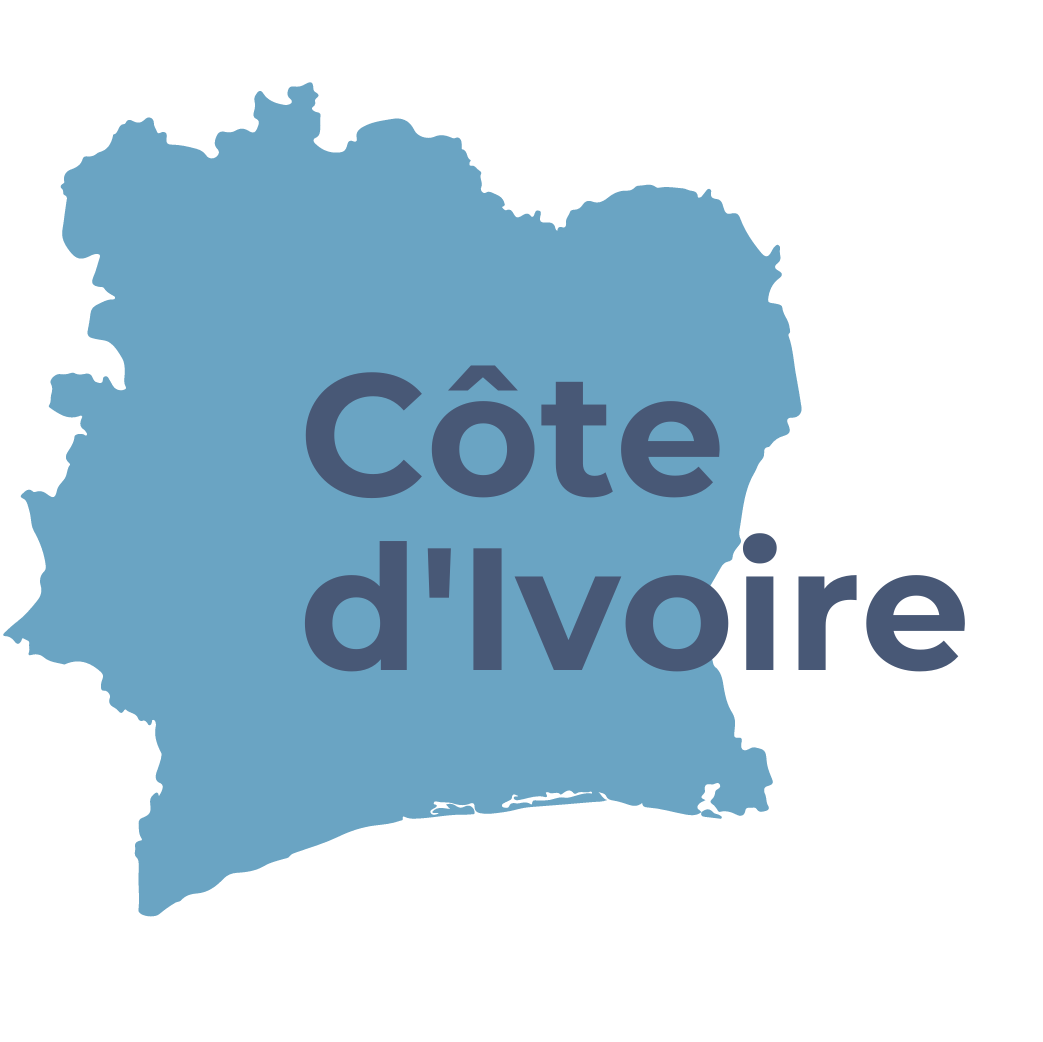
To this end, the program includes service reorganization, specialized training, and staff support, with a particular focus on Kangaroo Care. In the absence of a national referral center in Benin, the Foundation supports training programs at the CHU Treichville in Côte d’Ivoire, with the aim of supporting CHU-MEL in developing a national center of excellence for Kangaroo Care, capable of disseminating expertise and best practices throughout the country.
Our intervention
The Paolo Chiesi Foundation has been present in Benin since 2011, through a collaboration with the Saint Jean de Dieu Hospital in Tanguiéta (HSJDT). In 2025, the program was expanded to the Centre Hospitalier et Universitaire de la Mère et de l’Enfant Lagune de Cotonou (CHU-MEL), a national referral hospital for maternal and child health.
At Tanguiéta Hospital, located in the north of the country in an area characterized by high healthcare needs, the Foundation supports improving the quality of neonatal care by strengthening the skills of healthcare personnel, improving the organization of services, and promoting a family-centered approach. Special attention is paid to the prevention and control of nosocomial infections through training, audits, and the strengthening of hospital hygiene measures.
The program also promotes continuity of care after discharge through follow-up activities, including home visits, and supports the creation of a local perinatal network to improve coordination between different levels of care. The Kangaroo Care unit will also be expanded and reorganized, located near the neonatology department to provide more adequate space, encourage mothers to remain with their newborns, and improve the quality of care.
At the CHU-MEL in Cotonou, the Foundation has initiated a process to improve the quality of neonatal care, starting with a needs analysis. This analysis highlighted the high number of newborns hospitalized and the need to reorganize spaces and care flows, strengthen the Kangaroo Care unit, and consolidate the skills of healthcare personnel. To this end, the program includes service reorganization, specialized training, and staff support, with a particular focus on Kangaroo Care. In the absence of a national referral center in Benin, the Foundation supports training programs at the CHU Treichville in Côte d’Ivoire , with the aim of supporting the CHU-MEL in developing a national center of excellence for Kangaroo Care, capable of disseminating expertise and best practices throughout the country.
Our main activities in Benin
Training and mentoring of healthcare personnel in neonatology and Kangaroo Care
Prevention and control of nosocomial infections and improvement of hospital hygiene
Continuity of care through post-discharge follow-up, home visits and development of the perinatal network
Strengthening of neonatology and Kangaroo Care units, with reorganization of spaces and development of a national referral center for Kangaroo Care
We also work in