The country
Burundi, a country in Central Africa, is characterized by a complex interdependence of geographical, socioeconomic and political factors. Its location in the Great Lakes region, with a predominantly hilly terrain and tropical climate, has a significant impact on natural resources and the environment. High population density and dependence on subsistence agriculture place a strain on arable land and water resources.
In 2023, Burundi’s population was estimated at approximately 13,689,450, with significant population growth. The population is predominantly rural, with 86% of the population living in rural areas and only 14% in urban areas. Life expectancy at birth is approximately 62 years for men and 66 years for women.
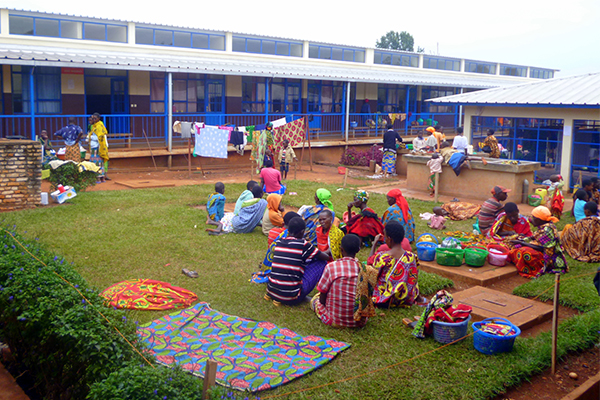
From a socioeconomic point of view, Burundi is one of the poorest countries in the world. Inequality is marked and access to essential services such as education and health is limited, especially in rural areas. The country’s political history has been marked by ethnic conflict and instability, with repercussions on governance and development. The political system, despite being a presidential republic, is fragile and characterized by opacity and corruption.
Burundi has one of the most fragile health systems in sub-Saharan Africa. Decades of political instability, armed conflict and deep poverty have devastated the country’s health sector. Access to basic health services is extremely limited, with acute shortages of trained medical personnel, essential medicines and adequate infrastructure. Infectious diseases such as malaria, tuberculosis and HIV/AIDS are endemic, and infant and maternal mortality are among the highest in the world.
In 2022, the neonatal mortality rate in Burundi was approximately 20 deaths per 1,000 live births. This figure highlights the urgent need to improve neonatal care in the country, where access to quality health services is limited and resources are scarce. The Paolo Chiesi Foundation, through the NEST project (Neonatal Essentials for Survival and Thriving), is working to address these challenges and improve neonatal survival in Burundi.
(Source: data.who.int)
Il Burundi in cifre
Burundi in numbers
Our intervention
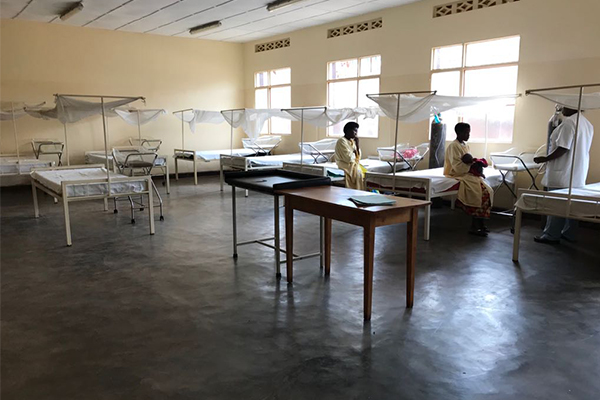
The Paolo Chiesi Foundation has been operating in Burundi since 2014, through a collaboration with the Amahoro pro Africa Association and the Ngozi Regional Hospital, with the aim of improving the quality of neonatal care and strengthening the care of premature and complicated newborns.
After supporting the establishment of the Kangaroo Care unit at Ngozi Regional Hospital, the Foundation initiated a program aimed at expanding Kangaroo Care in Butanyerera Province, northern Burundi. A national manual, educational materials, and a cascading training model for trainers were developed. This program led, in 2023, to the Ministry of Health’s recognition of Ngozi Regional Hospital as a national reference center for Kangaroo Care training and the validation of the training materials nationwide.
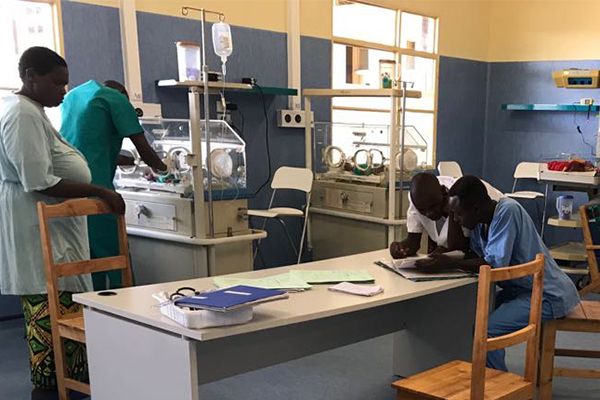
Subsequently, the program was extended to the six provincial hospitals in Ngozi province through training of Kangaroo Care coordinators and support for the launch of dedicated units. Since 2025, in collaboration with WeWorld, the Ministry of Health, and the National Reproductive Health Program, the intervention has entered a new phase aimed at bringing Kangaroo Care to health centers and communities, involving Community Health Officers to ensure continuity of care between the hospital, the community, and families.
At the same time, the Foundation continues to support capacity building at Ngozi Regional Hospital through infrastructure improvements, the introduction of appropriate technologies for managing neonatal respiratory distress, such as bubble CPAP, the development of clinical protocols, and healthcare staff training. These interventions now enable the hospital to offer more effective respiratory care to premature and complicated newborns, consolidating its role as a referral center for neonatal care in the region.
Our intervention
The Paolo Chiesi Foundation has been operating in Burundi since 2014, through a collaboration with the Amahoro pro Africa Association and the Ngozi Regional Hospital, with the aim of improving the quality of neonatal care and strengthening the care of premature and complicated newborns.
After supporting the establishment of the Kangaroo Care unit at Ngozi Regional Hospital, the Foundation initiated a program aimed at expanding Kangaroo Care in Butanyerera Province, northern Burundi. A national manual, educational materials, and a cascading training model for trainers were developed. This program led, in 2023, to the Ministry of Health’s recognition of Ngozi Regional Hospital as a national reference center for Kangaroo Care training and the validation of the training materials nationwide.
Subsequently, the program was extended to the six provincial hospitals in Ngozi province through training of Kangaroo Care coordinators and support for the launch of dedicated units. Since 2025, in collaboration with WeWorld, the Ministry of Health, and the National Reproductive Health Program, the intervention has entered a new phase aimed at bringing Kangaroo Care to health centers and communities, involving Community Health Officers to ensure continuity of care between the hospital, the community, and families.
At the same time, the Foundation continues to support capacity building at Ngozi Regional Hospital through infrastructure improvements, the introduction of appropriate technologies for managing neonatal respiratory distress, such as bubble CPAP, the development of clinical protocols, and healthcare staff training. These interventions now enable the hospital to offer more effective respiratory care to premature and complicated newborns, consolidating its role as a referral center for neonatal care in the region.
Our main activities in Burundi
Strengthening Ngozi Regional Hospital’s capacity to care for newborns with respiratory distress and introducing appropriate technologies (Bubble CPAP)
Dissemination of Kangaroo Care, through the development of training materials, cascading training of health professionals and extension of the model from hospital to community
Creation of a hospital-territory-community neonatal care network, involving provincial hospitals, health centers and Community Health Agents
We also work in