
SAFER: Respiratory support for the most vulnerable newborns in Africa
SAFER: Respiratory support for the most vulnerable newborns in Africa
In resource-limited settings, timely access to oxygen and respiratory support can make a difference in the survival of newborns with respiratory distress. However, many healthcare facilities lack reliable and continuous ventilation and oxygen systems.
SAFER was developed in response to this need: a portable medical device that integrates respiratory support, oxygen production and oxygenation monitoring, designed to be used even in healthcare facilities where access to conventional technologies is limited.
What is SAFER
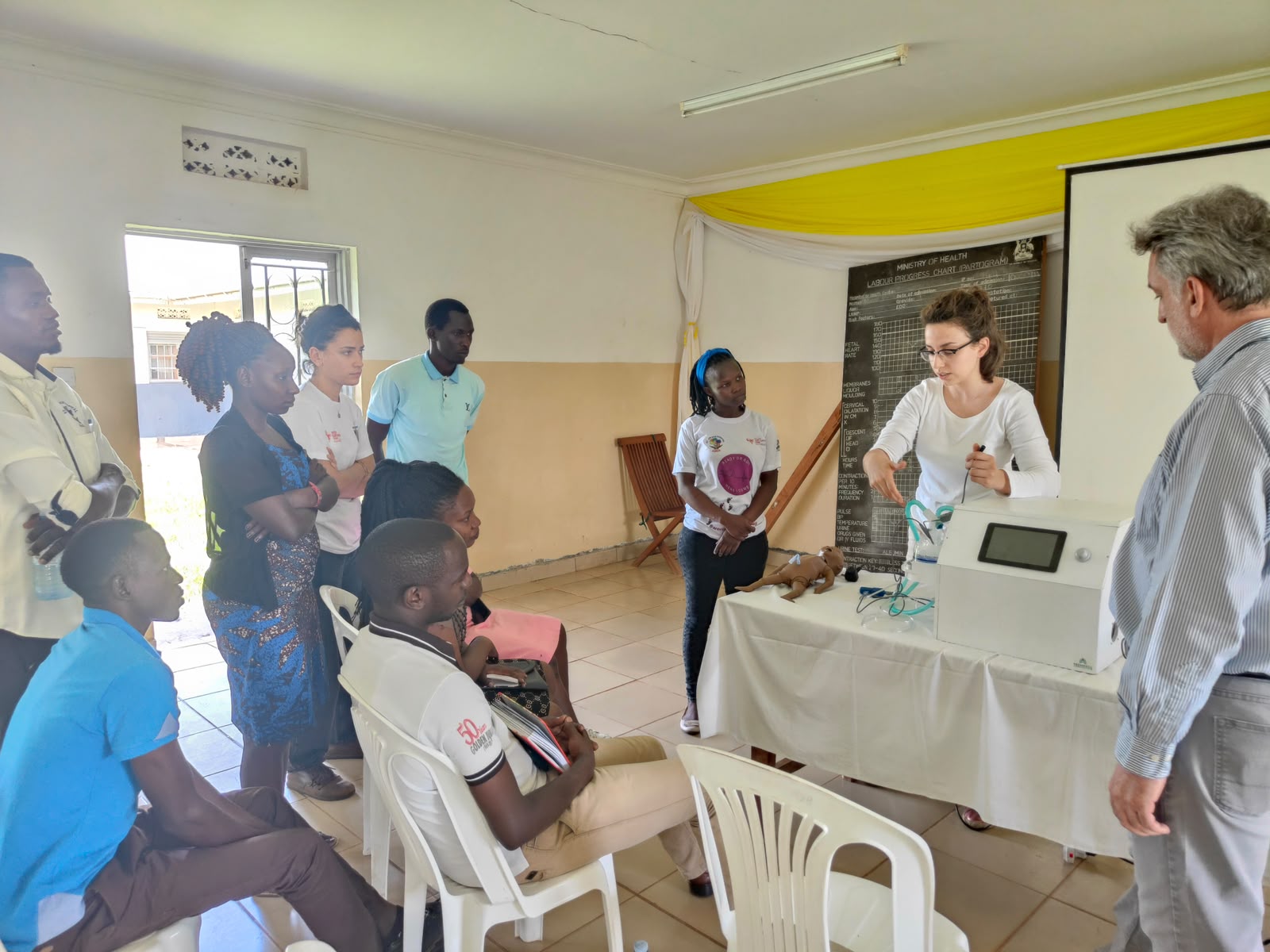
SAFER uses ambient air to produce the air-oxygen mixture required for treatment and integrates ventilation and monitoring systems into a single device. Its portability and built-in batteries allow it to be used even in settings with limited infrastructure or unstable power supplies.
The goal is to develop a reliable, easy-to-use solution suitable for resource-limited settings that can support healthcare workers in the management of newborns with respiratory distress.
What is SAFER
SAFER uses ambient air to produce the air-oxygen mixture required for treatment and integrates ventilation and monitoring systems into a single device. Its portability and built-in batteries allow it to be used even in settings with limited infrastructure or unstable power supplies.
The goal is to develop a reliable, easy-to-use solution suitable for resource-limited settings that can support healthcare workers in the management of newborns with respiratory distress.
The project
SAFER is a three-year project co-funded by the Paolo Chiesi Foundation, developed by the Fondazione Politecnico di Milano, the Politecnico di Milano, and Doctors with Africa CUAMM, in collaboration with local healthcare partners involved in the clinical trial in Uganda.
The project spans every stage from prototype preparation to clinical trials, with the aim of verifying the device’s efficacy and safety and evaluating its potential use in resource-limited settings.
The four project phases
Prototypes preparation
Finalization of devices intended for clinical studies and completion of the hardware, software and engineering aspects necessary for their use
Clinical study preparation
Development of technical documentation and clinical protocol, with the support of partners involved in field implementation
Study approval
Submission of technical documentation and protocol to the competent authorities to obtain the necessary ethical approvals
Clinical study implementation
The clinical trial in Uganda
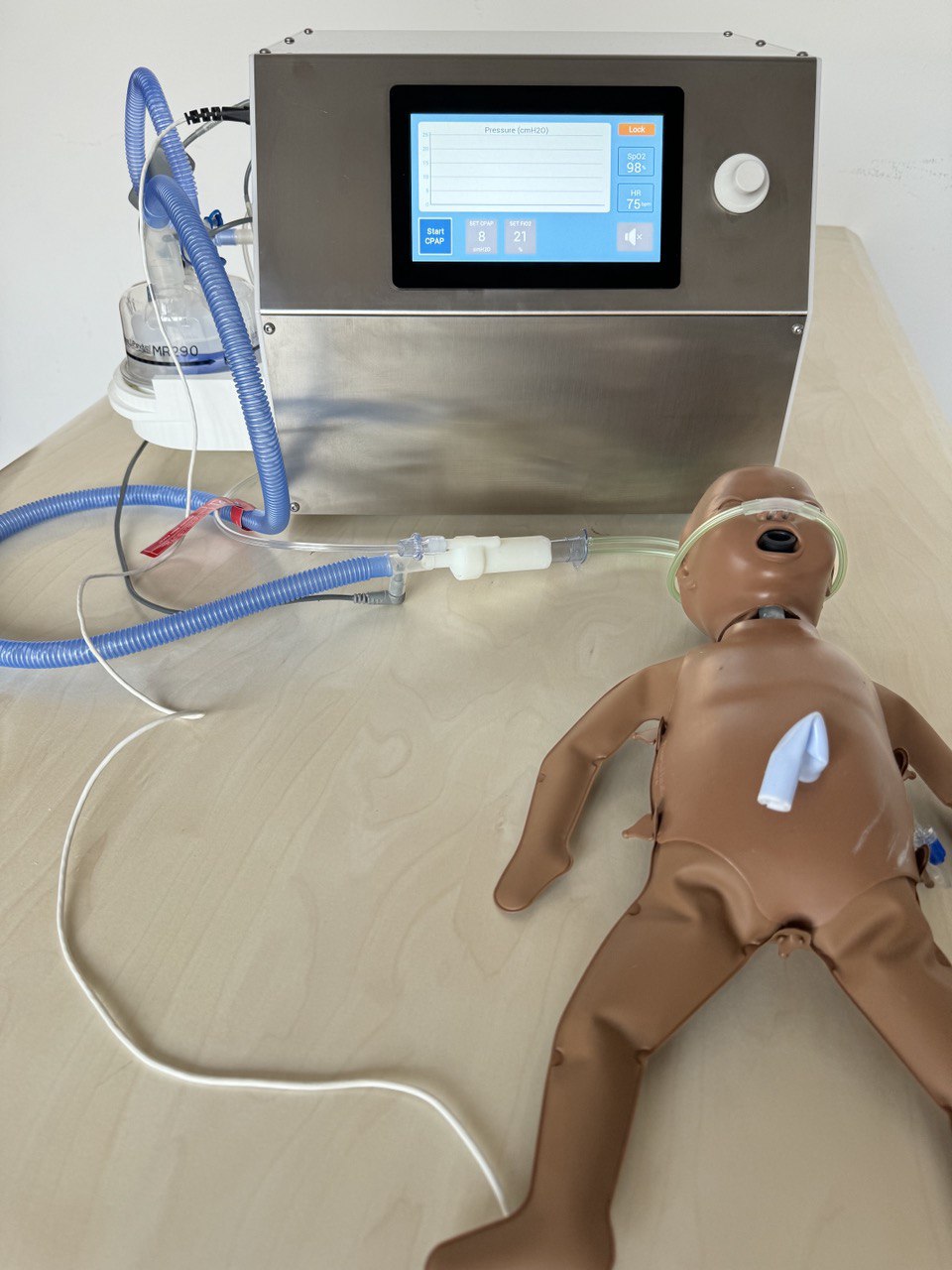
The clinical trial involves two referral hospitals in Uganda: St. John XXIII Hospital in Aber, Oyam District, and St. Kizito Hospital Matany, Napak District, each linked to peripheral health centers equipped with the SAFER device.
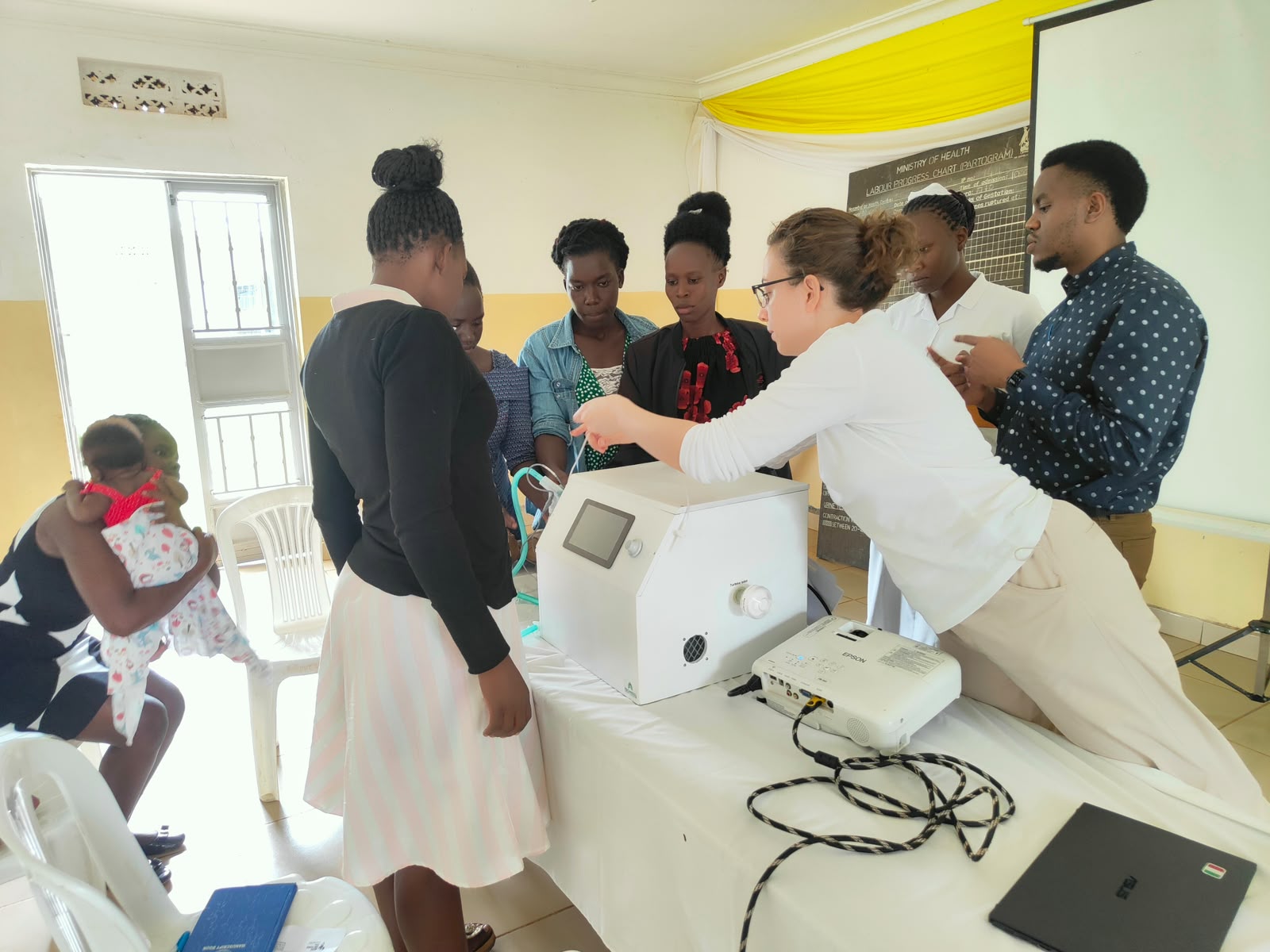
The staff of the involved centers receive dedicated training in the use of SAFER, through a program developed to support the correct and consistent use of the device.
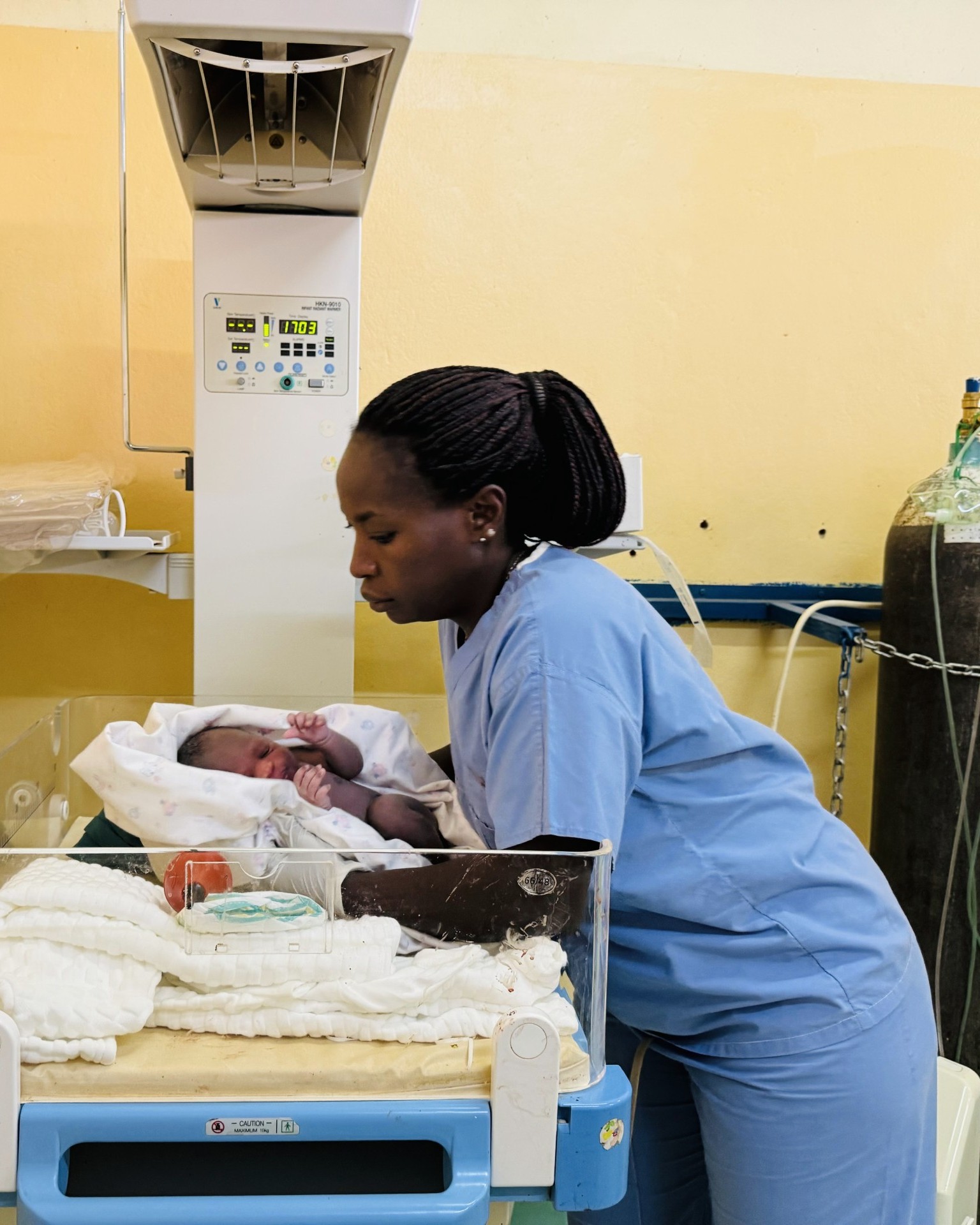
Newborns presenting with respiratory distress in peripheral centers can be stabilized with SAFER and, when necessary, transferred to the referral hospital while continuing to receive respiratory support during transport.
The trial will allow us to gather evidence on the device’s effectiveness and safety under real-world conditions and evaluate its feasibility at different levels of the healthcare system.
The clinical trial in Uganda
The clinical trial involves two referral hospitals in Uganda: St. John XXIII Hospital in Aber, Oyam District, and St. Kizito Hospital Matany, Napak District, each linked to peripheral health centers equipped with the SAFER device.
The staff of the involved centers receive dedicated training in the use of SAFER, through a program developed to support the correct and consistent use of the device.
Newborns presenting with respiratory distress in peripheral centers can be stabilized with SAFER and, when necessary, transferred to the referral hospital while continuing to receive respiratory support during transport.
The trial will allow us to gather evidence on the device’s effectiveness and safety under real-world conditions and evaluate its feasibility at different levels of the healthcare system.
Our contribution
The Paolo Chiesi Foundation is funding the SAFER clinical study, supporting a crucial phase in the device’s validation process.
This investment is part of the Foundation’s broader experience in neonatal health in sub-Saharan Africa through the NEST Model – Neonatal Essentials for Survival and Thriving, which aims to strengthen health systems through staff training, the availability of essential tools and the development of local skills.
Supporting SAFER means contributing to the search for innovative, appropriate and usable solutions in resource-limited settings, which can support the strengthening of health services and improve access to quality neonatal care.
We collaborate with

We collaborate with
