Chronic noncommunicable respiratory diseases, including asthma and chronic obstructive pulmonary disease (COPD), are among the world’s leading causes of death and disability. COPD alone is now the third leading cause of death worldwide, with some 3.4 million deaths in 2023. Nearly 90% of COPD deaths among people under 70 occur in low- and middle-income countries, where the basic conditions for timely diagnosis and proper management are often missing: trained health workers, diagnostic tools, essential medicines, reliable information systems.
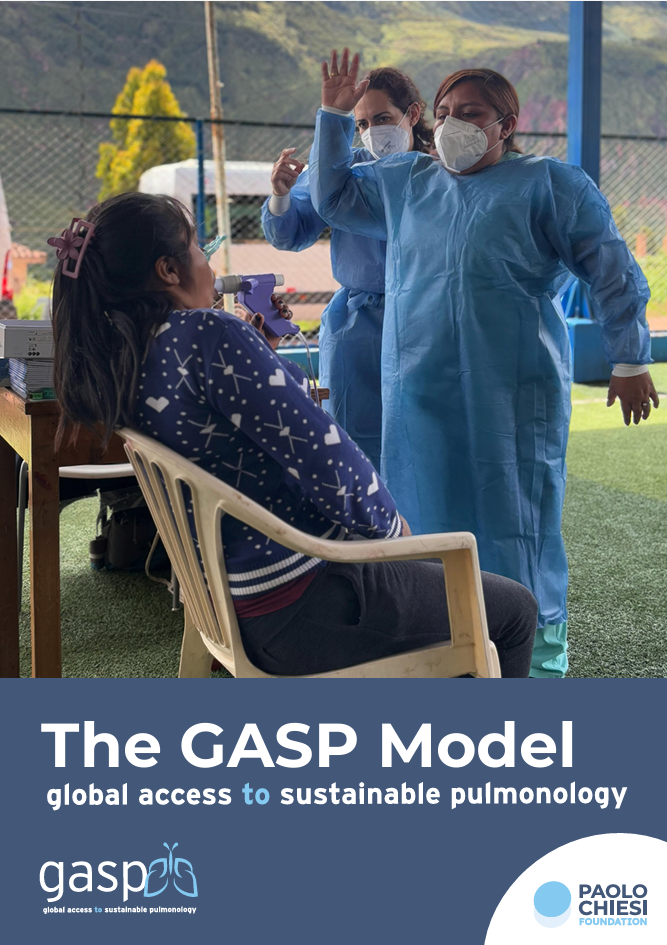
These numbers, together with more than ten years of work in the field, are the starting point for the GASP Model – Global Access to Sustainable Pulmonology, which the Paolo Chiesi Foundation has now set down in writing. The new document defines, for the first time in a comprehensive way, the Model’s origins, structure, implementation criteria, and operational tools.
A model born in the field, not at a desk
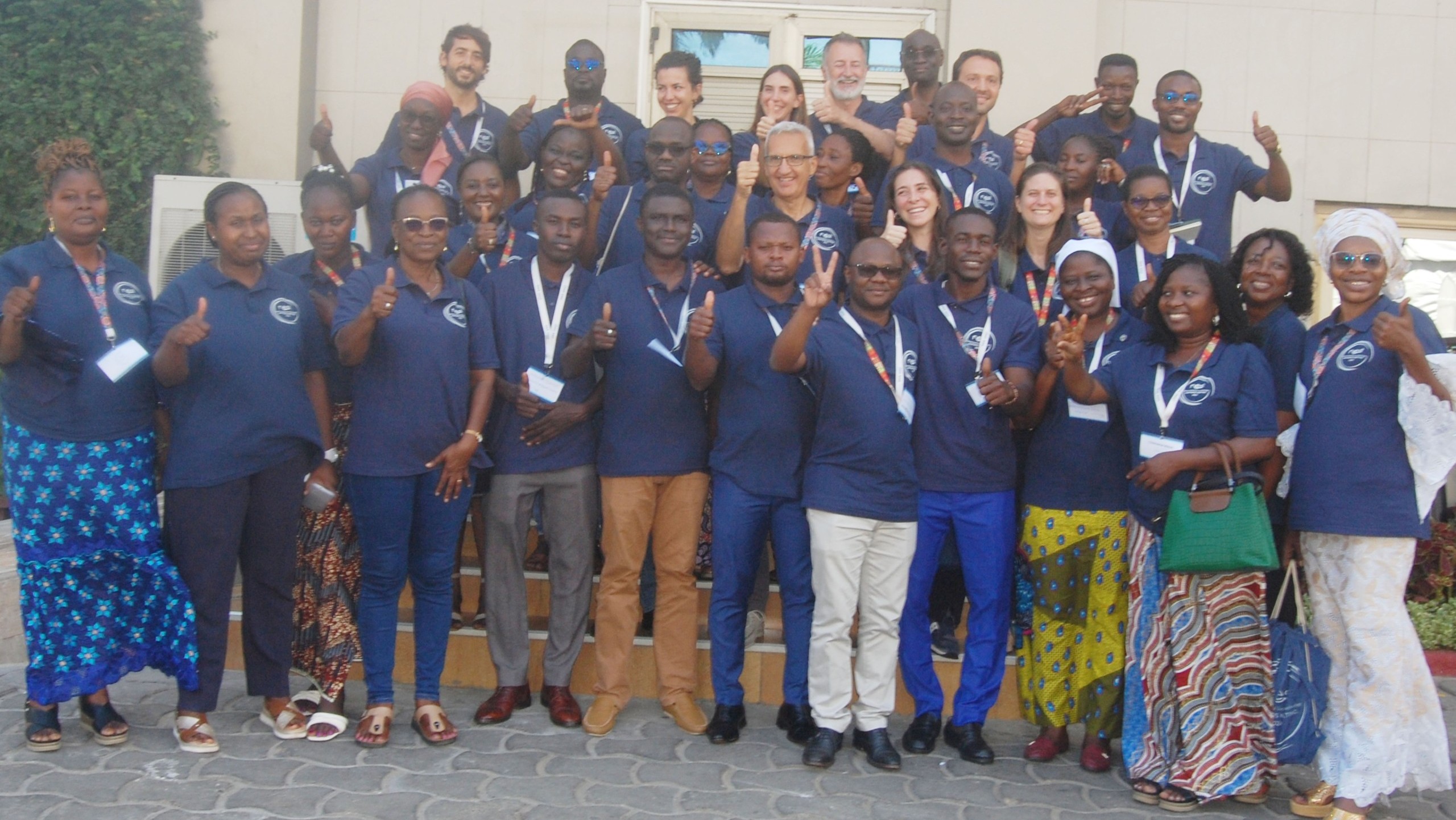
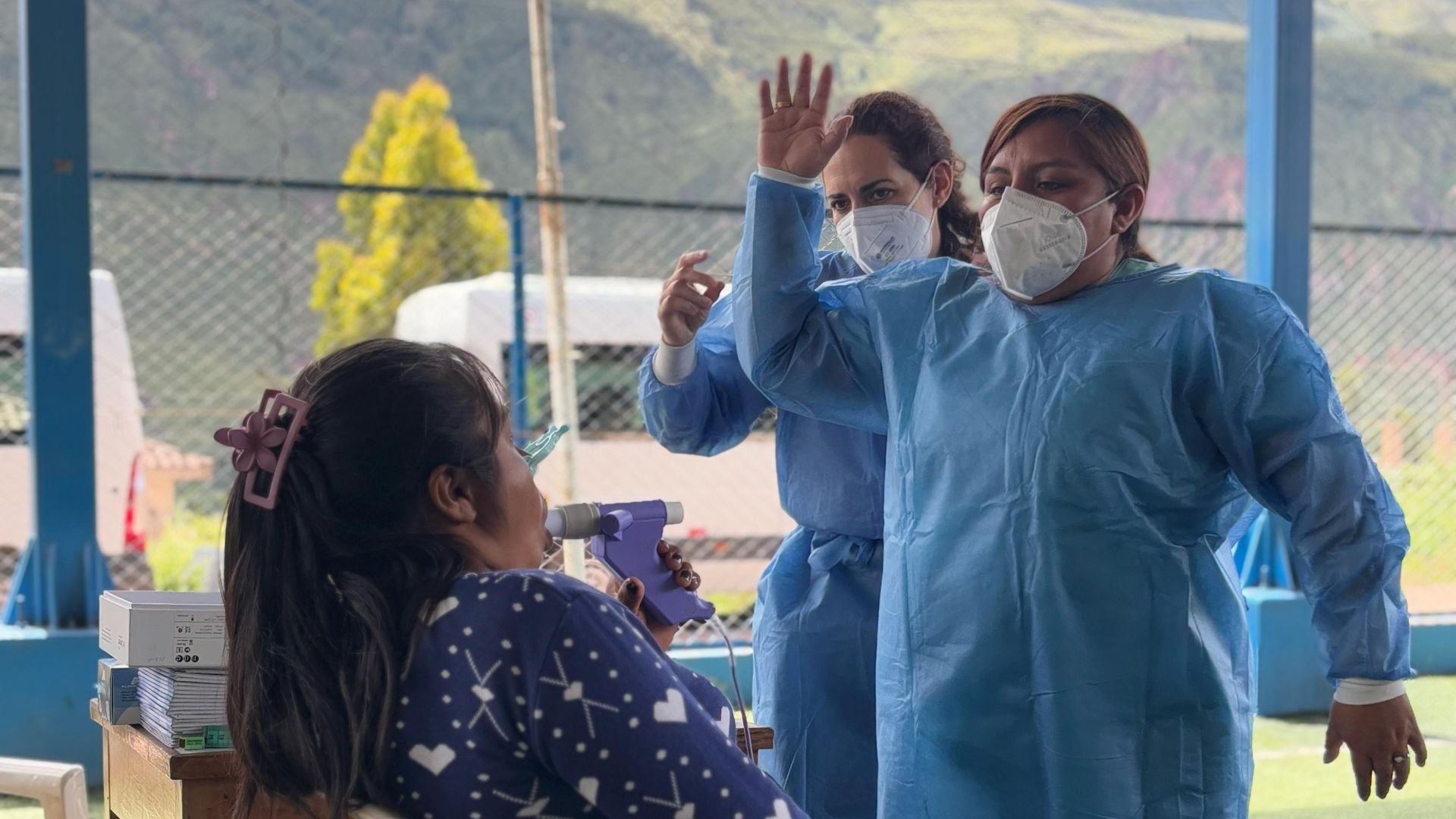
The GASP Model isn’t a theoretical idea. It is the systematization of a journey that began in Guyana in 2014 and continued in Peru (2018), Nepal (2023), and, since 2026, Uganda. In each of these settings, the Foundation has worked side by side with partners and local health institutions, adapting its approach to each country’s specific conditions and refining it based on results in the field.
The newly published document brings this experience together and turns it into a replicable framework, designed to be applied, not copied, across different settings. The Model is modular and progressive: some of its components have already been tested and validated, while others are still forward-looking and are meant to be integrated gradually, based on each country’s priorities, feasibility, and available resources. There is no one-size-fits-all package imposed from above. Every implementation starts with a context analysis (disease burden, diagnostic gaps, alignment with national health policies, prospects for financial sustainability) that determines what to activate and when.
Four pillars, one goal
The GASP Model rests on four interdependent pillars, each supported by concrete operational tools (guidelines, training materials, checklists, monitoring systems) designed to be put to use quickly and adapted easily:
- Education: builds the skills of health workers, from pulmonologists to primary care physicians and community health workers, through modular training programs, and promotes self-management of the disease among patients and their families.
- Facilities and equipment: provides spaces, clinical protocols, and essential equipment, organized in a hub-and-spoke model that ensures clear referral pathways across levels of care.
- Data and research: standardizes and digitizes data collection to support evidence-based clinical practice and generate knowledge that is useful beyond any single setting.
- Ecosystem strengthening: engages governments, health authorities, scientific societies, international organizations, and patient associations. This is an essential condition for integrating the Model into national health systems and sustaining it over time.
The pillars are designed to reinforce one another. Trained health workers can only make a difference if they have adequate spaces and tools; the data collected matters when it feeds back into clinical practice and informs decisions; and the involvement of institutions is what allows results to last beyond the project. The Model’s effectiveness lies in this integration, more than in the sum of its parts.
What’s in the document
At the heart of the document is a detailed description of the four pillars, along with the activities and operational tools that make up each one. It also presents the scientific rationale and epidemiological context, the criteria the Foundation uses to decide where and how to implement the Model, and the theory of change that guides its work. A set of key performance indicators (KPIs), organized by pillar, completes the picture, measuring results from the individual patient to the health system as a whole. Finally, an appendix lists diagnostic tools that, in more advanced settings, can complement the basic management of asthma and COPD.
The document is also candid about the Model’s limits: it is not a solution to every challenge posed by chronic respiratory diseases, and its effectiveness depends on factors beyond the Foundation’s reach, such as funding, national health policies, and the availability of medicines and health workers.
“With this document, we want to give back more than ten years of work in the field in a form that others can use, discuss, and improve. The GASP Model grew out of listening to the places where we work, and it will keep evolving alongside them,” says Alessandra Folcio, the Foundation’s Respiratory Health Program Manager.
Why publish it
Making the document public means offering the scientific community and organizations working in this field a field-tested framework they can adapt to their own context, or simply compare with other approaches. It’s a step consistent with how the Foundation works: not imposing a model from above, but building shared knowledge and skills so that the communities involved can, over time, take ownership of it themselves.