The anniversary of the Foundation
We are happy and proud to celebrate our first 20 years. Founded in Parma on April 14, 2005, as an expression of the Chiesi Group’s social responsibility, the Foundation today celebrates 20 years of continuous commitment to improving access to quality respiratory and neonatal care for the most vulnerable populations in the Global South. On this special occasion, our thoughts go to Dr. Paolo Chiesi, our founder and first president , who passed away last year, who with great passion and scientific rigor promoted the creation of the Foundation, following its evolution and helping to define its identity.
To celebrate 20 years of business, let’s look back at some of our key moments.
Support for scientific research
In its first five years of existence and activity, the Foundation focused almost exclusively on supporting scientific research projects, leveraging the know-how and experience gained by the Chiesi Group globally. During this period, the Chiesi Foundation, as grant-maker , he has funded numerous local and international research projects, as well as several scholarships.
Our mission: a commitment to health, the planet, and the future
It was in 2010, however, that the Foundation made a significant change in its philanthropic journey, choosing to focus primarily on international cooperation in the fields of neonatal and respiratory care, acting not only as a funder but as a true implementing partner , thus promoting the sustainable development of clinical and scientific skills to ensure the autonomy of local communities.
Our commitment to promoting everyone’s right to health is reflected in our mission:
“We are committed to improving the health and alleviating the suffering of patients with respiratory and neonatal diseases, improving their quality of life and that of their families.”
We dream of a future where all newborns, their mothers, their families, and all people affected by chronic respiratory diseases in the Global South have equal access to quality care. Every decision made by the Foundation is guided by its founding values: a sense of responsibility towards society and the environment, the dissemination of scientific knowledge, and equity through the fight against suffering.
Our contribution to the Sustainable Development Goals
The 17 Sustainable Development Goals (SDGs) of the United Nations 2030 Agenda require urgent and collaborative action by all Member States to address global challenges and achieve specific targets.
The Foundation supports in particular two SDGs of the 2030 Agenda:
- Goal 3: Ensure healthy lives and promote well-being for all at all ages.
- Goal 17: Strengthen the means of implementation and renew the global partnership for sustainable development.
In this way, Chiesi Foundation contributes to guaranteeing the right to health for everyone at all ages and promotes the creation of networks and partnerships with local and international institutions, Ministries of Health, universities, NGOs, hospitals and healthcare workers.
Why the Global South?
Today, the Chiesi Foundation actively operates in 13 countries in the Global South, where access to quality care still represents a major challenge for local populations.
Despite progress in recent decades, neonatal mortality remains high in many areas. Sub-Saharan Africa recorded an average mortality rate of 26 newborns per 1,000 live births in 2023. Most deaths occur in the first month of life and could be prevented with adequate obstetric and neonatal care. Furthermore, the prevalence of English in global health creates a profound language gap that disadvantages French-speaking countries. The Foundation has therefore chosen to focus its work in these countries, where access to resources and training is more limited.
Chronic respiratory diseases also represent an often overlooked emergency. Conditions such as asthma and COPD (chronic obstructive pulmonary disease) cause millions of deaths each year, the majority of which occur in developing countries. Through targeted intervention programs, the Foundation researches and implements solutions to reverse these trends and strengthen the diagnostic and management capacities of local healthcare systems.
The first partnerships: Burkina Faso and Benin
In 2010, the first collaboration in Burkina Faso began with the Hôpital Saint Camille de Ouagadougou (HOSCO), focused on training healthcare workers and the care of premature and pathological newborns. In 2020, the creation of a Perinatology Network in the Central Region represented a fundamental step in fostering dialogue between various stakeholders and developing joint training programs, with the aim of facilitating the transfer of critical cases from birth centers to the capital’s main hospitals.
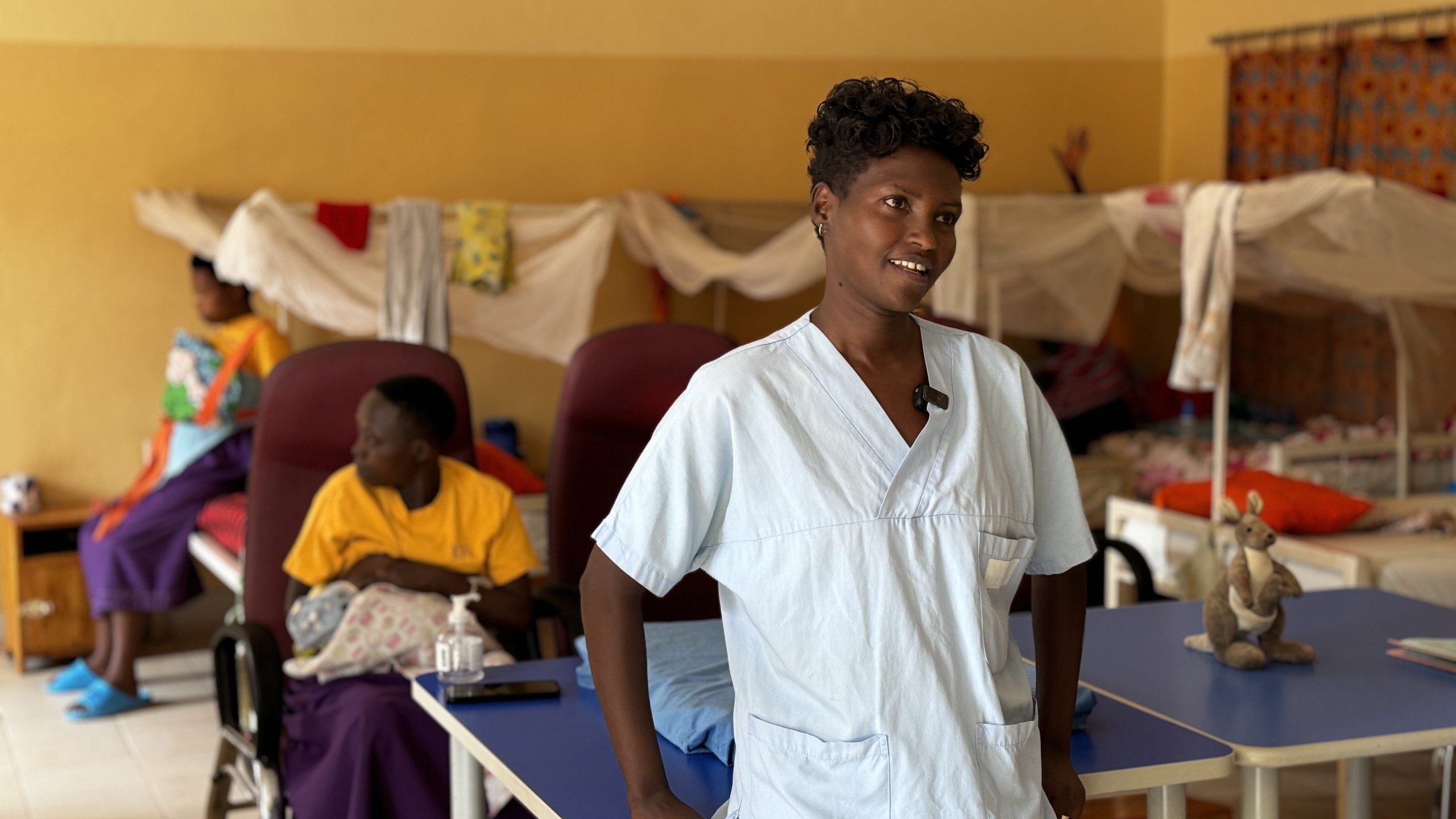
In 2011, the project begins with the Hôpital Saint Jean de Dieu de Tanguiéta (HSJD), in Benin, with the aim of reducing neonatal mortality. Thanks to the Foundation’s support, a new neonatology department equipped with adequate medical equipment was inaugurated in 2012. Special attention was then paid to the introduction of the Kangaroo Care (KC) unit, aimed at improving long-term neonatal health and monitoring it through the organization of home follow-up outpatient visits.
The birth of the NEST and GASP models
Since 2014, the Chiesi Foundation has launched its international cooperation programmes, structuring its interventions on the basis of two innovative models:
- The NEST Model – Neonatal Essential Survival Technology , which he developed with the aim of improving access to neonatal care in resource-limited countries through clinical training, support and infrastructure development, and the dissemination of guidelines adapted to the local context.
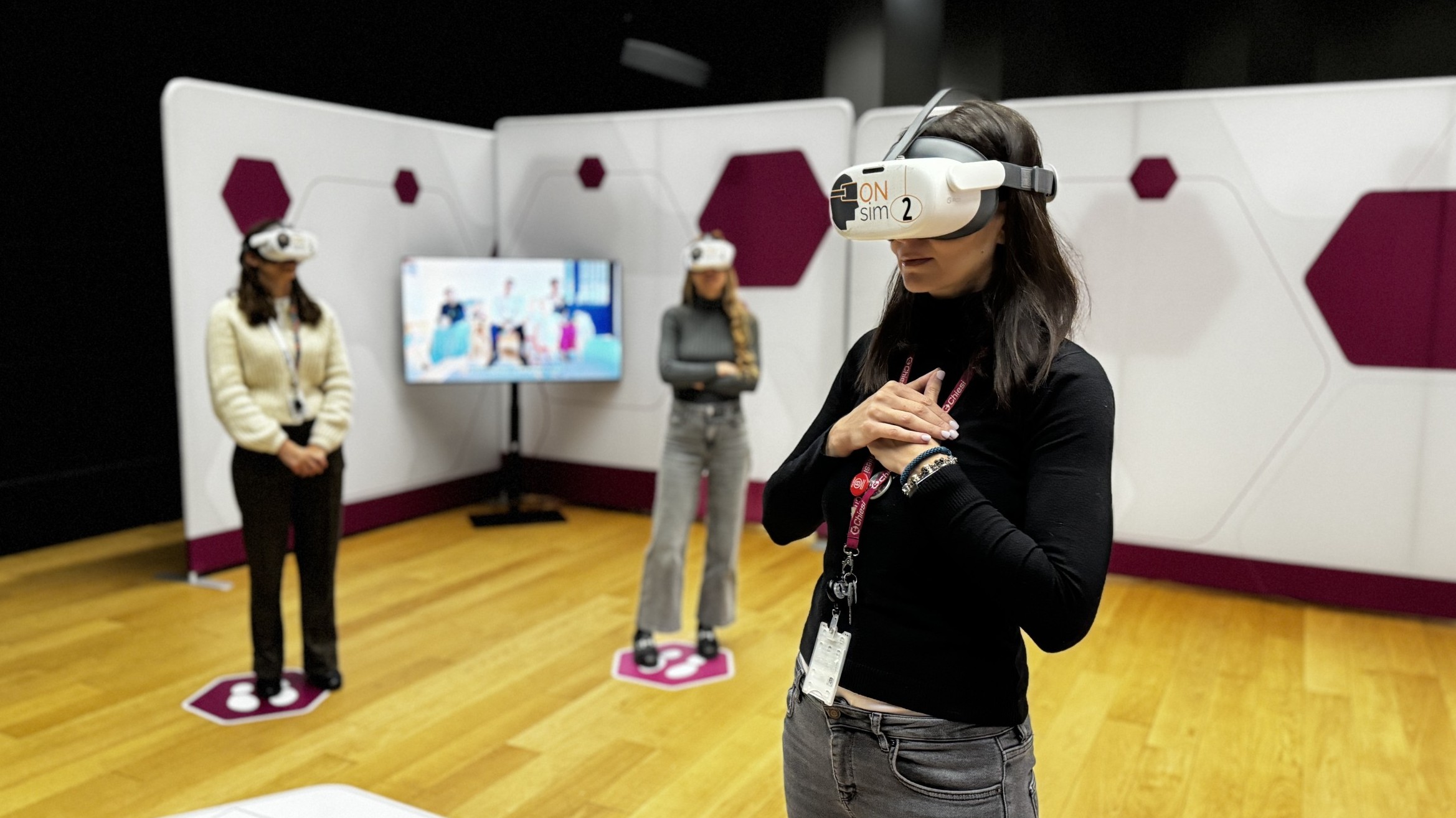
- The GASP Model – Global Access to Spirometry Project , aims to improve the diagnosis and management of patients with chronic respiratory diseases, such as asthma and COPD, through training programs, the creation of spirometry laboratories and the dissemination of standard protocols, such as the GOLD guidelines.
New collaborations: Burundi and Guyana
In 2014, GASP enabled the establishment of the first spirometry laboratory at the Georgetown Public Hospital Corporation (GPHC), Guyana.. Thanks to this collaboration, the hospital has since been able to perform check-ups and diagnose chronic respiratory diseases. To date, the spirometry department has conducted over 30,000 visits.
At the same time, a collaboration with Amahoro Pro-Africa Onlus was born to support the inauguration of the neonatology department at the Ngozi Hospital in Burundi., which will take place the following year. In this region, the Foundation contributed to the preparation of the area Kangaroo Care (KC) to strengthen training and services for premature babies. The project then expanded to the provincial level, leading Ngozi Hospital to be recognized as a national referral center for KC.
Expansion of the NEST and GASP models
In 2018, the NEST Model was implemented in Togo at the Hôpital d’Enfants Yendube Hospital in Dapaong, responding to a request for support to launch the newly constructed neonatology department. Here, the Foundation supported the hospital by purchasing essential technology, expanding the KC area, and training staff. Thanks to the creation of a multimedia room and the collaboration of Dr. Lucia Tubaldi, neonatologist and member of the Italian Society of Neonatology , distance learning was also made possible in 2022.
The same year, the GASP arrives in Peru, where the Santa Rita Polyclinic in the province of Cusco becomes a center for the diagnosis and management of chronic diseases, such as asthma and COPD. The collaboration is enriched by two new strategic partners: SEPAR Solidaria of The Spanish Society of Pulmonology and the Spanish branch of the Chiesi Group have enabled the launch of training and awareness programs and the creation of a network among healthcare facilities in this province.
Innovation and new governance
In 2021, the Chiesi Foundation will begin a strategic review process to define new goals and future action lines. A key part of this initiative is the appointment of two new strategic figures: Massimo Salvadori and Maria Paola Chiesi will assume the roles of coordinator and president, respectively.
In the same year, the scientific research project was born IMPULSE – IMProving qUaLity and use of newborn indicators – in collaboration with high-profile partners such as London School of Hygiene and Tropical Medicine (LSHTM), The WHO Collaborating Center of Trieste (IRCCS Burlo Garofolo maternal and child hospital), CUAMM – Doctors with Africa, UNICEF and WHO. The initiative aims to improve the quality and analysis of data and KPIs collected in neonatal departments in low-resource countries to evaluate clinical improvement interventions.
New Horizons in Asia
The GASP Model arrives in Nepal in 2023, with a pioneering project for the prevention of respiratory diseases among brick kiln workers, a sector exposed to silica and pollution. In collaboration with the Johns Hopkins UniversityA free spirometry screening program is launched in Bhaktapur to identify conditions such as silicosis, asthma, and COPD. The project included training local staff, distribution of informational materials, and the involvement of the owners’ association, which expressed its commitment to improving workers’ health.
Building networks for change
Partnership is the foundation of every Foundation intervention. No complex challenge can be addressed alone: only through collaboration between local and international stakeholders can sustainable and lasting change be generated.
In 2022, Chiesi Foundation supports the establishment of the African Neonatal Association (ANA), a voluntary, non-profit professional organization working to improve neonatal care in Africa. ANA promotes collaboration among neonatologists across the continent, fosters continuing education, and contributes to the development of more effective and contextualized health policies.
In 2023, a new alliance with the Council of International Neonatal Nurses (COINN) begins, with the aim of strengthening local nursing skills in neonatal wards in countries of the Global South. The nursing approach, often underestimated, is central to ensuring quality care, particularly in resource-limited settings.
In 2024, the NEST Model is also being implemented in Côte d’Ivoire at the Hôpital Regional d’Abobo , extending the intervention in French-speaking Africa to a fifth country.
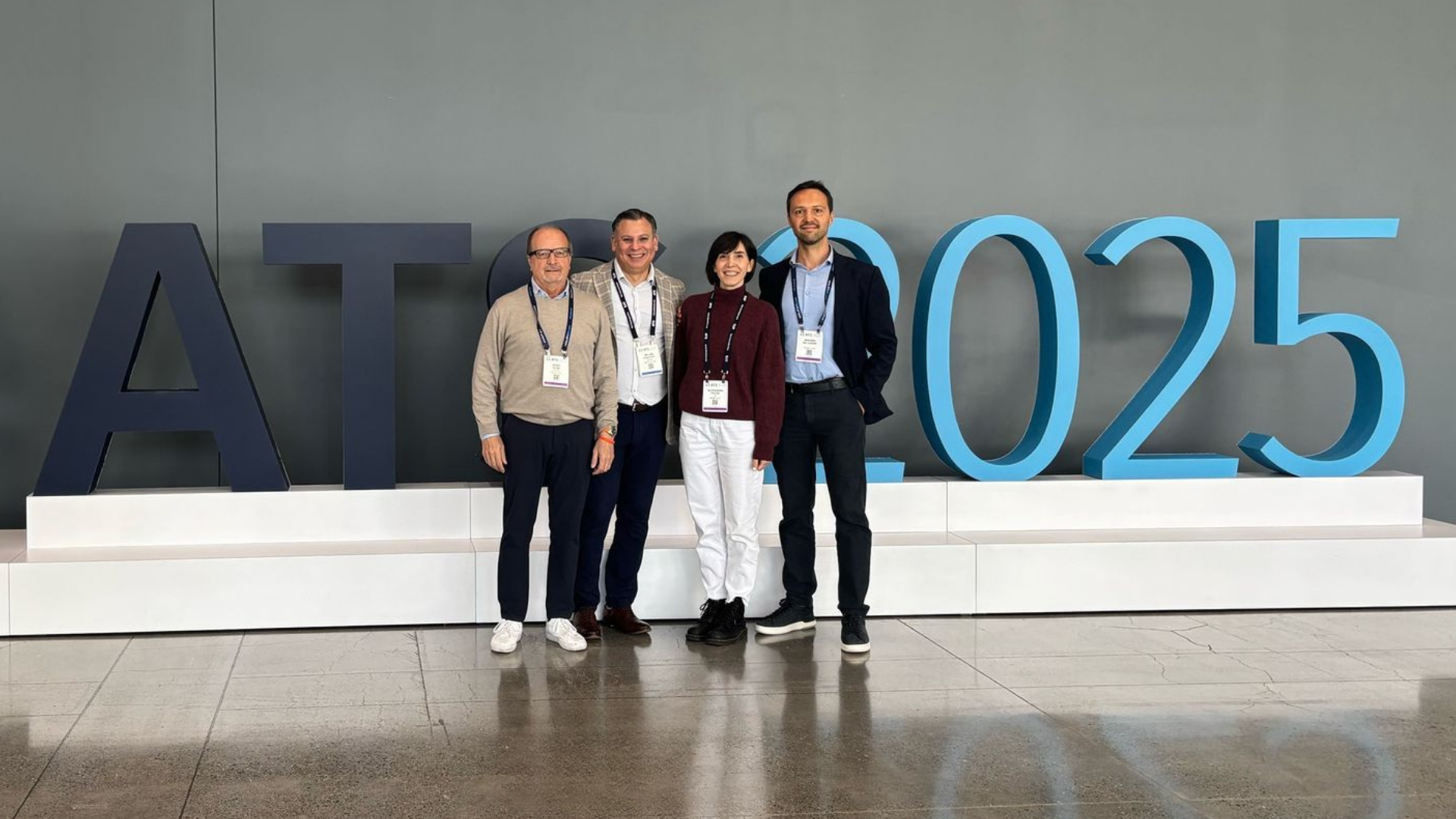
Also in 2024, the collaboration with the Pan African Thoracic Society (PATS) begins To promote pulmonary research by African researchers on the continent. The goal is to bridge the gap between clinical needs and treatment options in a region where chronic respiratory diseases are still neglected.
Over the course of the year, the Foundation established a Technical Advisory Group for the GASP program, composed of international experts to guide the evolution of the Model, ensuring its adaptability to the different current and future contexts in which it will be implemented.
Where we are today
Exactly 20 years after its inception, the Chiesi Foundation is now active with its international cooperation and scientific research projects in 13 countries in the Global South and continues to expand and strengthen its initiatives.
In early 2025, we contributed to the expansion of the NEST Model in Benin, with a new partnership at the Centre Hospitalier Universitaire de la Mère et de l’Enfant Lagune Cotonou. In parallel, a second Technical Advisory Group was established, dedicated to the evolution and adaptability of the NEST program to new countries.
Looking to the future, for 20 years
Over the past twenty years, the Chiesi Foundation has built a foundation of ongoing support, ongoing education, and responsibility toward future generations, working alongside local communities, healthcare professionals, and institutions to improve access to quality care in developing countries.
ORToday, we reaffirm our commitment to promoting global health as a right for all, through concrete actions, knowledge sharing, and lasting partnerships. Thanks to the collaboration and support of those who share our values, we will continue to implement concrete and targeted solutions to generate a positive impact in the most vulnerable contexts and help create a healthier, more equitable, and sustainable future for all.