
We work in 13 countries of the Global South
The Paolo Chiesi Foundation actively promotes projects and initiatives in cooperation and scientific research to improve access to quality care in neonatal and respiratory health.
We work in 13 countries in the Global South
The Paolo Chiesi Foundation actively promotes projects and initiatives in cooperation and scientific research to improve access to quality care in neonatal and respiratory health.
Why we operate in the Global South
The Paolo Chiesi Foundation works in 13 countries in the Global South to improve access to quality healthcare for premature infants, low-birth-weight infants and infants with neonatal conditions, patients with chronic respiratory diseases, and their families. Through research, innovation, and health system strengthening programs, the Foundation develops and implements sustainable interventions to address major local health challenges, with a particular focus on newborns, their mothers, and people with respiratory diseases.
The Foundation is currently present in Guyana, Nepal, Peru, and Uganda with the GASP (Global Access to Sustainable Pulmonology) Model; in Benin, Burkina Faso, Burundi, Ivory Coast, Senegal, and Togo with the NEST (Neonatal Essentials for Survival and Thriving) Model; and in Ethiopia, the Central African Republic, Tanzania, and Uganda with the IMPULSE (IMProving qUaLity and uSE of newborn indicators) research project.
In parallel with the programs implemented in partner countries, the Foundation collaborates with institutions, scientific societies, professional networks, and international organizations to promote research, share scientific evidence, strengthen the capacity of health systems, and promote the implementation of innovative and sustainable solutions for global health.
Neonatal health
Since 1990, the world has made remarkable progress in child survival. Globally, the number of neonatal deaths has decreased from 5 million in 1990 to 2.3 million in 2024 (WHO). However, the decline in neonatal mortality over this period has been slower than that of post-neonatal mortality among under-fives.
Furthermore, progress has slowed significantly since 2010, and 66 countries will fail to meet SDG target 3.2 by 2030 unless urgent action is taken.
Furthermore, newborns have tragically different chances of survival depending on where they are born.
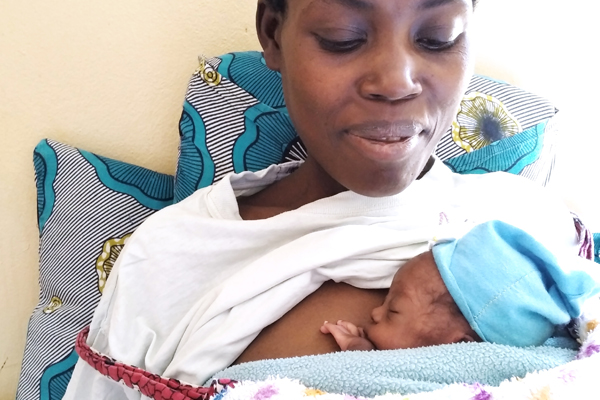

Neonatal mortality in sub-Saharan Africa is a significant challenge, a major indicator of maternal and child health, and is considered a reflection of a community’s access to health services and socioeconomic conditions.
Furthermore, in Africa, there is a significant gap between English-speaking and French-speaking countries in terms of access to healthcare, stemming from the lack of health development assistance and isolation from the scientific community, particularly due to the language barrier and the dominance of English in global health. We have therefore chosen to work primarily with French-speaking countries to help make healthcare a right for all.
Neonatal mortality in sub-Saharan Africa is a significant challenge, a major indicator of maternal and child health, and is considered a reflection of a community’s access to health services and socioeconomic conditions.
Furthermore, in Africa, there is a significant gap between English-speaking and French-speaking countries in terms of access to healthcare, stemming from the lack of health development assistance and isolation from the scientific community, particularly due to the language barrier and the dominance of English in global health. We have therefore chosen to work primarily with French-speaking countries to help make healthcare a right for all.
NEST – Neonatal Essentials for Survival and Thriving
The NEST (Neonatal Essentials for Survival and Thriving) Model is an integrated approach aimed at improving the quality of care to reduce neonatal mortality (0-28 days) of premature, low birth weight or pathological infants.
The Model strengthens health systems through interventions on governance, service organization, healthcare personnel training, equipment availability, data collection and use, and the adoption of care pathways based on the best scientific evidence.
Respiratory health
Chronic respiratory diseases (CRDs) affect the airways and other structures of the lungs. Some of the most common are chronic obstructive pulmonary disease (COPD), asthma, occupational lung diseases, and pulmonary hypertension.
In addition to tobacco smoking, other risk factors include air pollution, occupational chemicals and dust, and frequent lower respiratory tract infections during childhood.
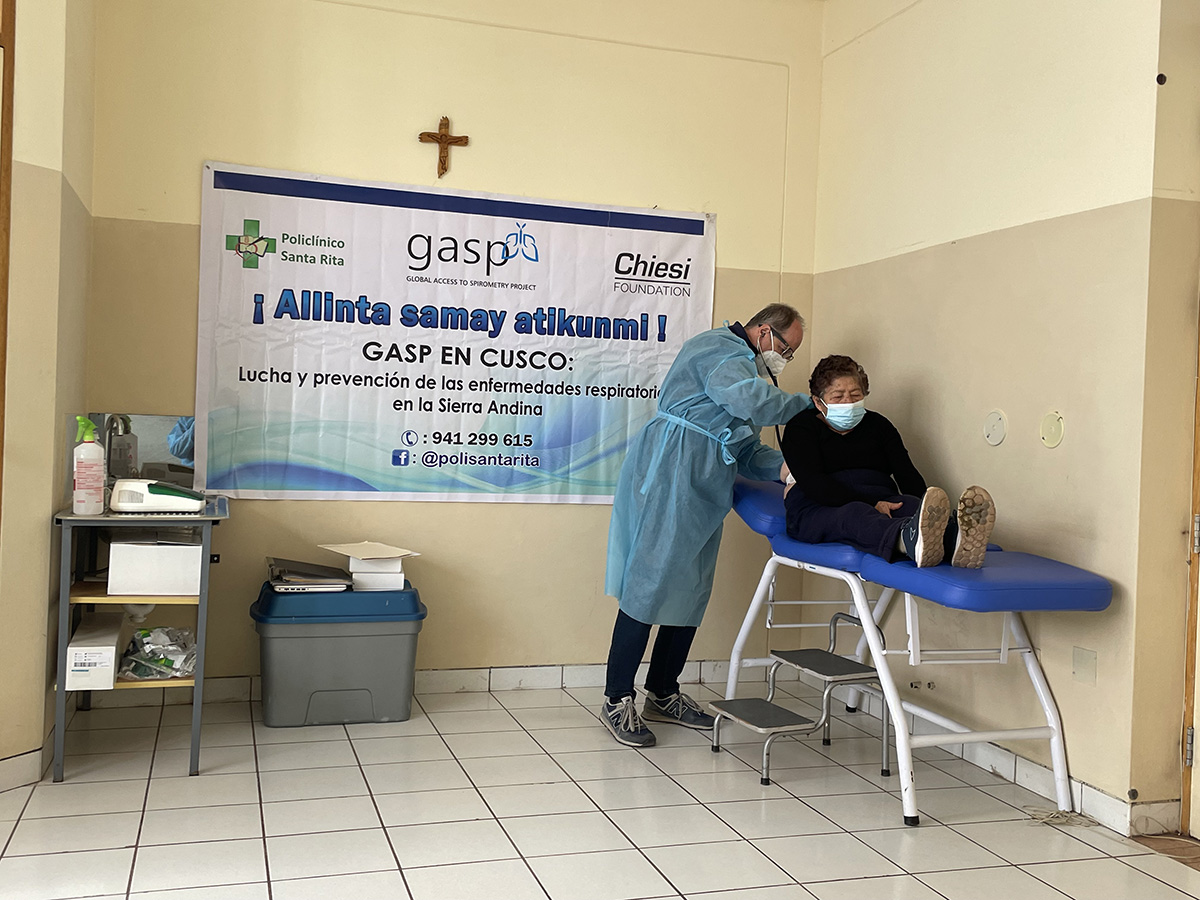
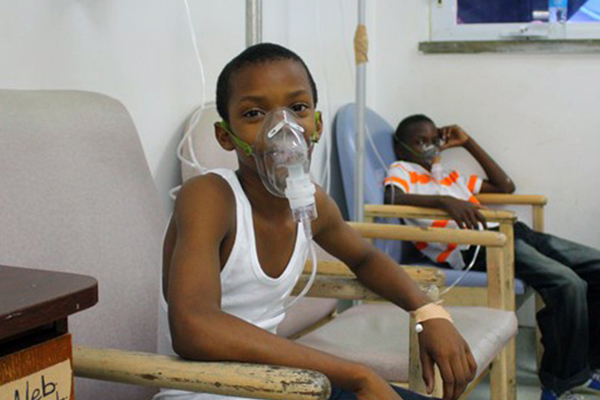
CRDs have no cure; however, various forms of treatment that open the airways and reduce shortness of breath can help control symptoms and improve the daily lives of people living with these conditions.
The two most common chronic respiratory diseases are asthma and chronic obstructive pulmonary disease (COPD). Both affect the airways in the lungs. In the respiratory field, the Paolo Chiesi Foundation works in low- and medium-income countries, such as Guyana, Nepal, Peru, and Uganda.
CRDs have no cure; however, various forms of treatment that open the airways and reduce shortness of breath can help control symptoms and improve the daily lives of people living with these conditions.
The two most common chronic respiratory diseases are asthma and chronic obstructive pulmonary disease (COPD). Both affect the airways in the lungs. In the respiratory field, the Paolo Chiesi Foundation works in low- and medium-income countries, such as Guyana, Nepal, Peru, and Uganda.
GASP – Global Access to Sustainable Pulmonology
The GASP Model promotes respiratory medical training by focusing on the development of a model of diagnostic and clinical skills specific to the management of chronic respiratory diseases, with particular reference to asthma and chronic obstructive pulmonary disease (COPD). The aim is to transfer the acquired know-how to other low-income countries as well.
