The country
Peru is a South American country characterized by extraordinary geographical diversity. Its territory extends across three main regions: the Pacific coast, the Andes and the Amazon rainforest. This variety of landscapes has given rise to a rich biodiversity and a great variety of ecosystems. The Andes, in particular, are the backbone of the country and are home to some of the highest peaks on the continent.
In 2023, Peru’s population was approximately 33,845,617. Demographic growth is significant, with a population growth rate of 1.2%. The population distribution is predominantly rural, with 60% of the population living in rural areas. Life expectancy at birth is approximately 69 years for men and 75 years for women.
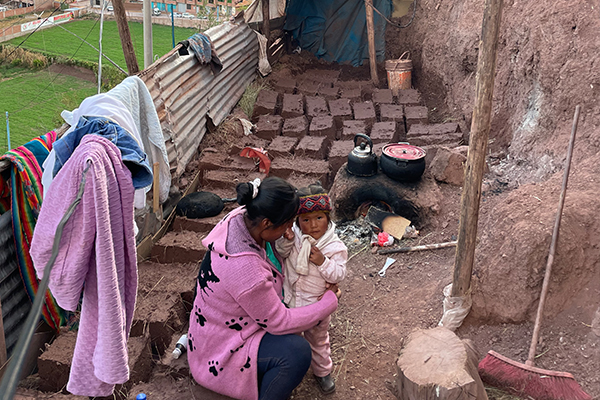
From a socioeconomic point of view, Peru is a developing country. The Peruvian economy is based mainly on mining, agriculture and tourism. The mining sector, especially copper and gold, is very important for the national economy. Despite the economic progress of recent years, social inequalities remain significant, with large segments of the population living in poverty.
In recent decades, the country has consolidated democracy and experienced sustained economic growth. However, numerous political challenges remain, including the fight against corruption, reducing social inequalities, and protecting the environment. The health situation also presents significant challenges, with endemic infectious diseases and limited access to health services, especially in rural areas.
In 2021, the mortality rate for lower respiratory infections in Peru was approximately 58 deaths per 100,000 inhabitants. This data highlights the urgent need to improve the management of respiratory diseases in the country. The Paolo Chiesi Foundation, through the GASP (Global Access to Sustainable Pulmonology), is working to address these challenges and improve the quality of life of patients with asthma and chronic obstructive pulmonary disease (COPD).
(Source: data.who.int)
Peru in numbers
Peru in numbers
Our intervention
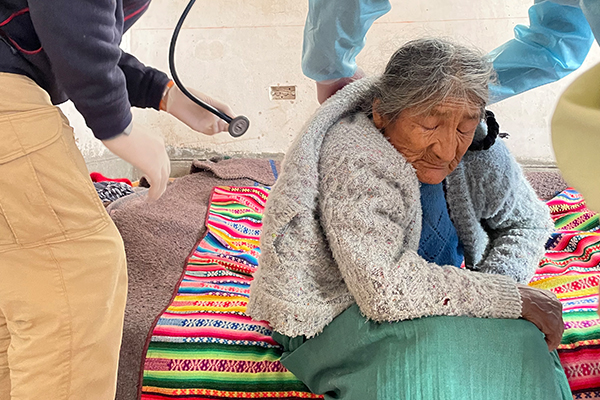
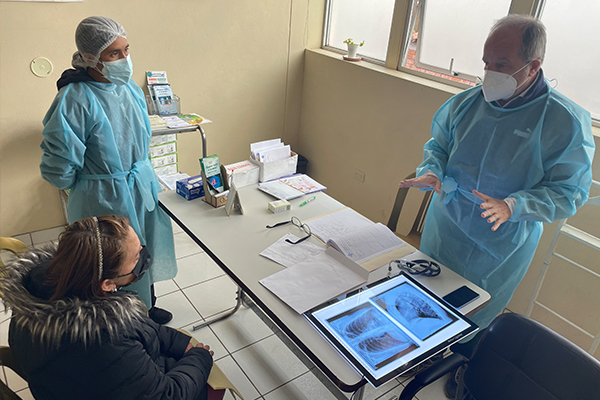
Since 2019, the Paolo Chiesi Foundation has supported the development of services for the prevention, diagnosis and management of chronic respiratory diseases in the Cusco region through the GASP Model – Global Access to Sustainable Pulmonology.
Initially developed at Santa Rita Polyclinic, the project has progressively expanded to involve satellite health centres and two major hospitals in the region, Hospital Antonio Lorena and Hospital Regional del Cusco, strengthening a local network for the diagnosis and management of respiratory diseases.
A central element is strengthening the skills of healthcare professionals through annual SEPAR training missions in Cusco and short training placements for Peruvian professionals at specialist centres in Spain.
The project also includes screening activities for at-risk populations and workers exposed to occupational risks, as well as health campaigns in remote communities, bringing prevention, diagnosis and health education closer to populations with more limited access to healthcare.
Our intervention
Since 2019, the Paolo Chiesi Foundation has supported the development of services for the prevention, diagnosis and management of chronic respiratory diseases in the Cusco region through the GASP Model – Global Access to Sustainable Pulmonology.
Initially developed at Santa Rita Polyclinic, the project has progressively expanded to involve satellite health centres and two major hospitals in the region, Hospital Antonio Lorena and Hospital Regional del Cusco, strengthening a local network for the diagnosis and management of respiratory diseases.
A central element is strengthening the skills of healthcare professionals through annual SEPAR training missions in Cusco and short training placements for Peruvian professionals at specialist centres in Spain.
The project also includes screening activities for at-risk populations and workers exposed to occupational risks, as well as health campaigns in remote communities, bringing prevention, diagnosis and health education closer to populations with more limited access to healthcare.
Our main activities in Peru
Strengthening respiratory health services, through the involvement of Santa Rita Polyclinic, satellite health centres and the main hospitals in the Cusco region.
Training and knowledge exchange, through annual training missions by SEPAR professionals in Peru and short training placements for Peruvian professionals at specialist centres in Spain.
Development of clinical guidelines, protocols and tools, to support more standardised and evidence-based management of respiratory diseases, including the development of a clinical practice guideline for COPD management.
Screening, prevention and community awareness, with a particular focus on at-risk populations, workers exposed to occupational risks and remote communities, helping bring respiratory health services closer to people with limited access to care.
We also work in