Improving access to quality neonatal care in sub-Saharan Africa
Improving access to quality neonatal care in sub-Saharan Africa
NEST – Neonatal Essentials for Survival and Thriving
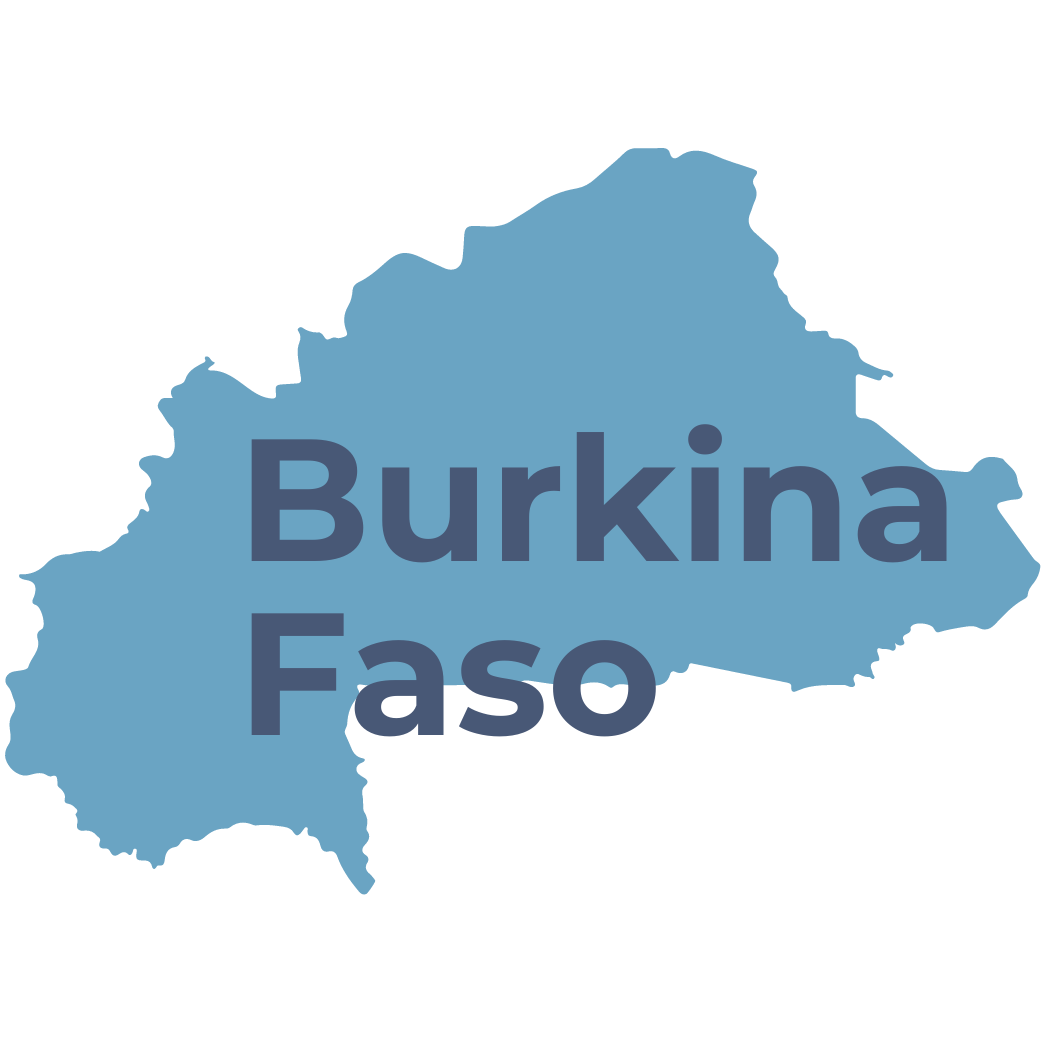
In 2014, the Paolo Chiesi Foundation launched the NEST Model – Neonatal Essentials for Survival and Thriving, a systemic approach aimed at improving access to quality neonatal care in sub-Saharan African countries, with particular attention to the French-speaking area.
Developed in collaboration with hospitals, universities, non-governmental organizations, institutions, and scientific societies, the NEST Model promotes health system strengthening through integrated interventions on governance, service organization, health personnel training, the availability of essential resources, and the use of data to improve the quality of neonatal care.
The aim is to contribute to the reduction of neonatal mortality and morbidity, with particular attention to premature babies, those with low birth weight or those affected by pathologies.
Each intervention is designed based on the needs of the local context, adapting to the characteristics of health systems and available resources, to promote high-impact and sustainable solutions over time.
How the NEST Model Works
The four pillars of the NEST Model
Training
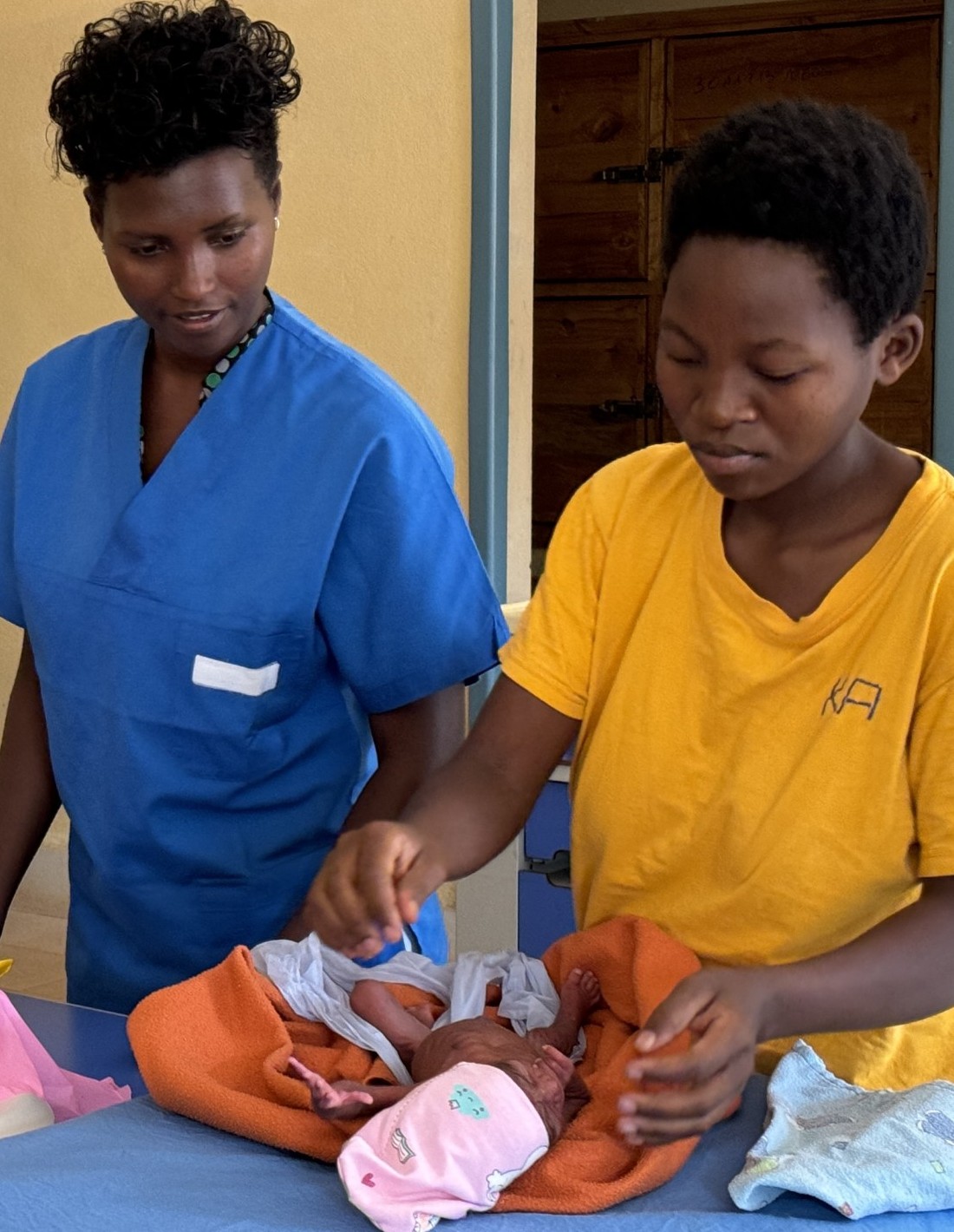
Training programs on essential and special care of newborns for local health workers and the development of an education and awareness program for families.
Structures and equipment
Creation and organization of neonatal care units with medical equipment adapted to the local context, promoting family-centered care and “Zero Separation” between mother and child.
Data and research
Improving the quality and use of neonatal data and indicators through a Quality Improvement process, generating evidence for lessons learned and best practices.
Ecosystem strengthening
Building strategic partnerships with local and international stakeholders.
The NEST Model
The NEST Model provides a methodological framework for identifying and addressing barriers to access to quality neonatal care. Through a structured process of continuous quality improvement, the Model supports healthcare providers and institutions in analyzing critical issues, developing sustainable corrective action plans, implementing interventions, and monitoring results.
The NEST Model promotes the progressive strengthening of neonatal services, starting with the availability and systematic application of essential care for all newborns, while also developing the capacity of health systems to respond to the needs of newborns with complications through appropriate care pathways and multilevel referral networks.
The Model also integrates a family-centered approach ( Family-Centered Care ), the promotion of Kangaroo Care and the principle of Zero Separation, recognizing the fundamental role of parents in the care process and well-being of the newborn.
The NEST Model
The NEST Model provides a methodological framework for identifying and addressing barriers to access to quality neonatal care. Through a structured process of continuous quality improvement, the Model supports healthcare providers and institutions in analyzing critical issues, developing sustainable corrective action plans, implementing interventions, and monitoring results.
The NEST Model promotes the progressive strengthening of neonatal services, starting with the availability and systematic application of essential care for all newborns, while also developing the capacity of health systems to respond to the needs of newborns with complications through appropriate care pathways and multilevel referral networks.
The Model also integrates a family-centered approach ( Family-Centered Care ), the promotion of Kangaroo Care and the principle of Zero Separation, recognizing the fundamental role of parents in the care process and well-being of the newborn.
Where we work