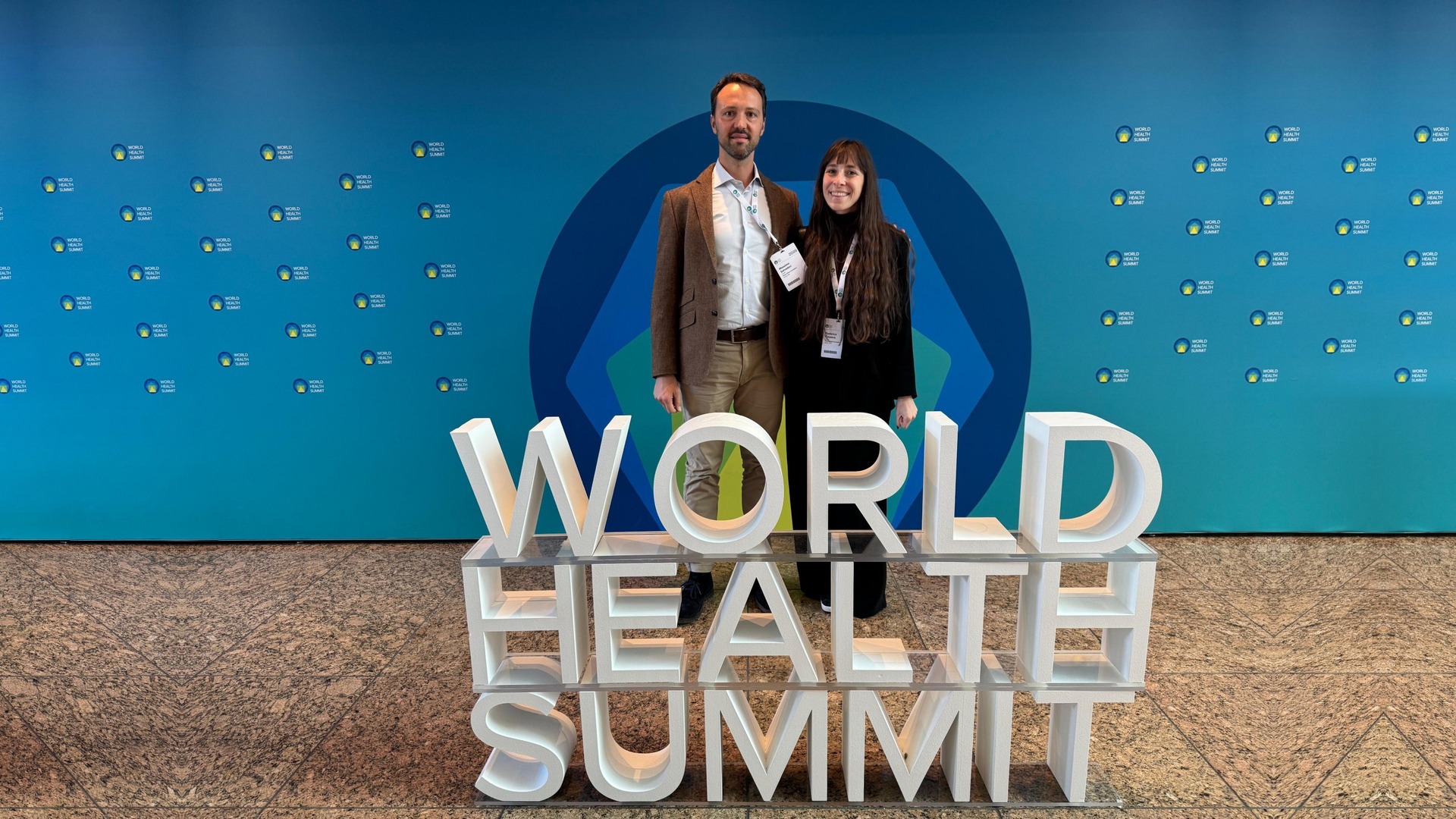
At the World Health Summit 2026 in Berlin, the Paolo Chiesi Foundation, Chiesi Group, and PMNCH brought together governments, the private sector, UN agencies, and implementers around one practical question: how do proven, affordable innovations actually reach the women and children who need them?
Global health arrived in Berlin under pressure. Official development assistance fell by 23.1% in 2025, the largest annual drop on record (OECD, preliminary 2025 ODA data), and progress on reducing maternal deaths has slowed sharply since 2016 (UN Maternal Mortality Estimation Inter-Agency Group, 2025). Against that backdrop, the World Health Summit chose a theme that read less like a slogan than a work plan: From Crisis to Resilience: Innovating for Health.
From October 11 to 13, more than 400 speakers across over 75 sessions tested that idea from every angle: financing, governance, technology, workforce, and climate. For anyone working on maternal, newborn, and child health, one point kept coming back. Many solutions already exist; what is often missing is the path from a successful pilot to an entire health system.
A summit about redesign, not recovery
The Summit’s six central tracks covered the reform of the global health architecture, pandemic preparedness, climate and health, health in conflict settings, and future-ready, AI-enabled health systems. One track put women, children, and youth at the center, treating equity as a matter of rights, inclusion, and participation.
That thread ran across all three days. On Sunday, a panel featuring UNFPA Executive Director Diene Keita looked at how to unlock new capital for women’s health beyond aid. On Monday evening, the Signature Event brought German Chancellor Friedrich Merz and Helen Clark to Center Stage, and on Tuesday afternoon, a keynote session asked directly what it will take to end preventable maternal and child deaths.
A roadmap, not another report
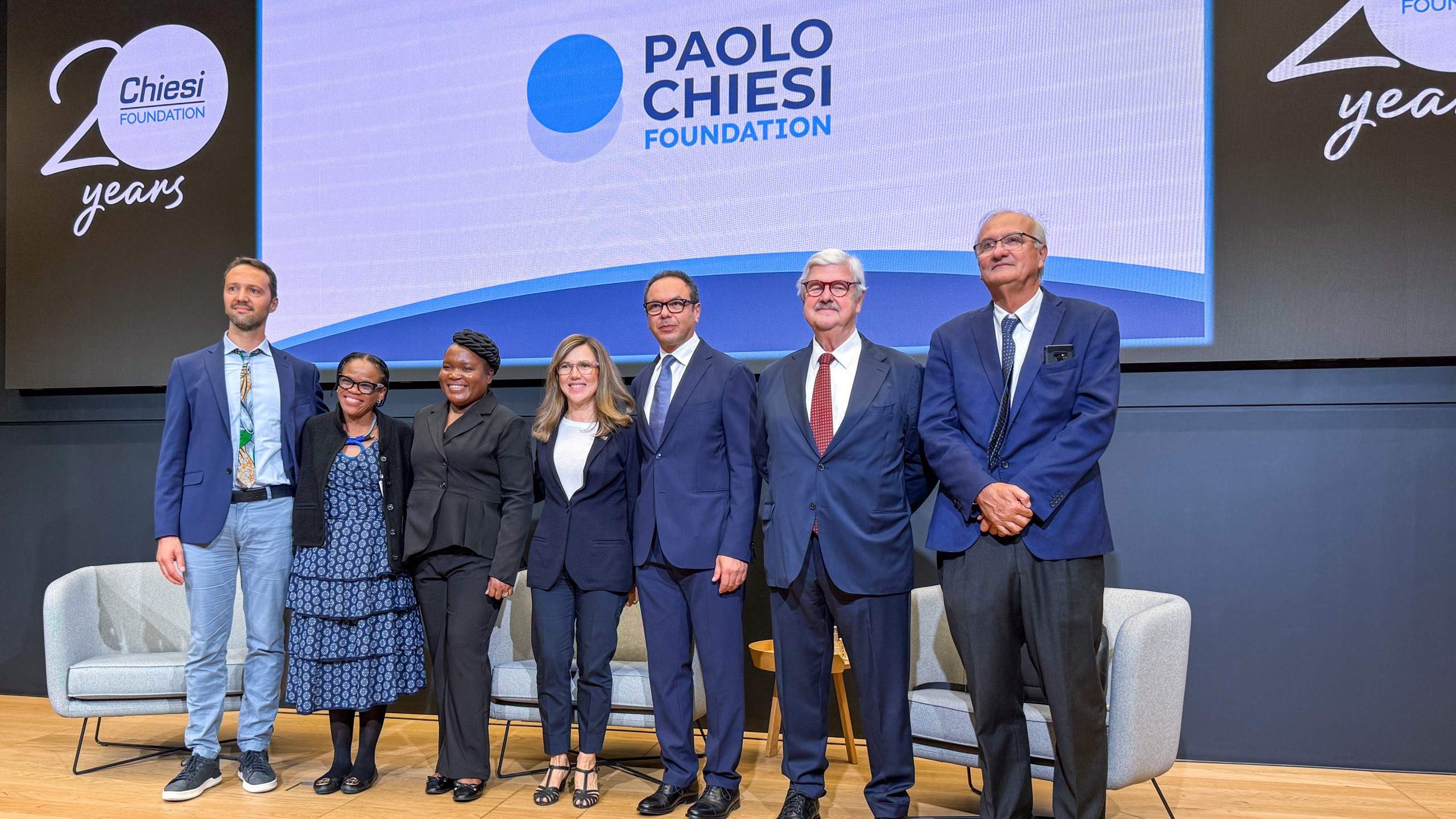
On the morning of October 12, the Paolo Chiesi Foundation, Chiesi Group, and the Partnership for Maternal, Newborn & Child Health (PMNCH) hosted a closed-door roundtable titled From Bottlenecks to Action: A Roadmap for Scaling Affordable Women’s and Children’s Health Innovations in Low- and Middle-Income Countries.
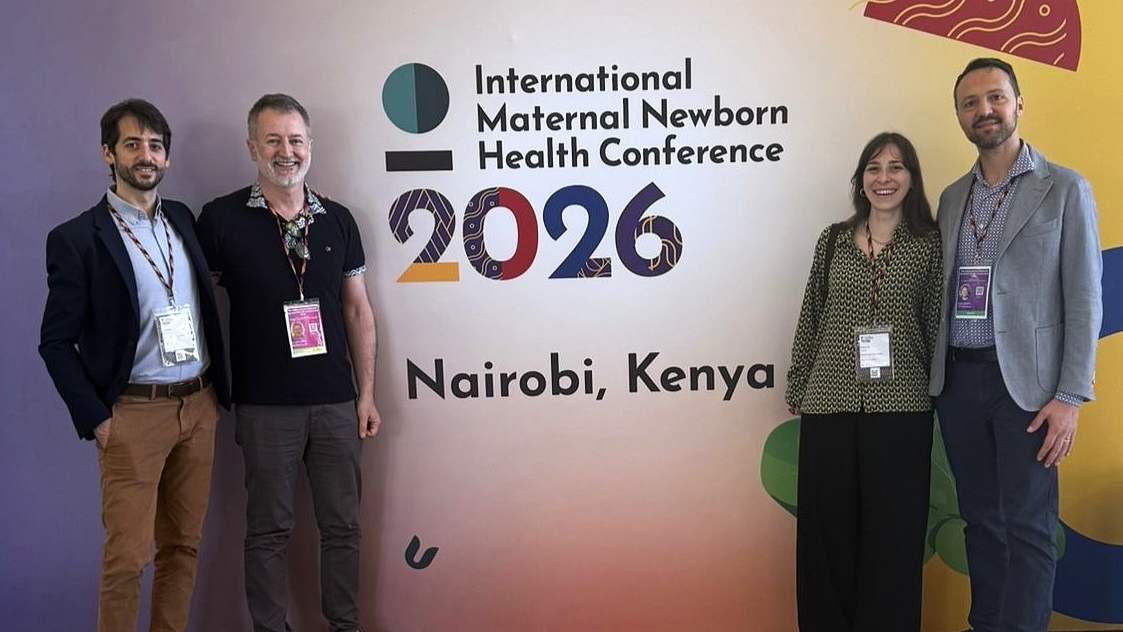
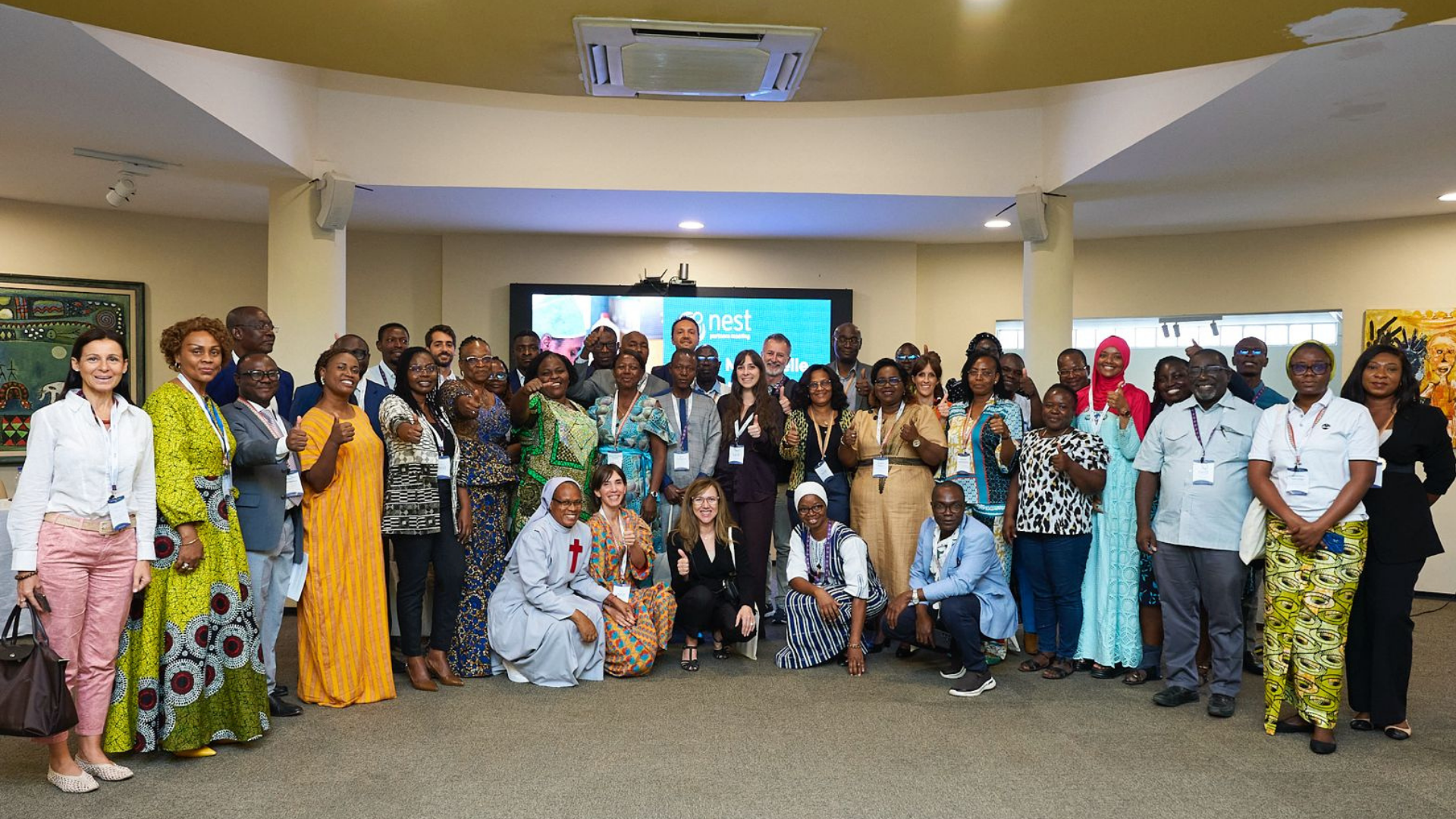
Earlier conversations in Nairobi and Asia had mapped where innovations get stuck and what helps them move. The Berlin session had a sharper brief: turn that diagnosis into concrete recommendations, each with a clear owner.
Rajat Khosla, Executive Director of PMNCH, opened the session, followed by brief welcome remarks from Linda Storari, Vice President Global Health at Chiesi Group, and Massimo Salvadori, Managing Director of the Paolo Chiesi Foundation. Khosla then presented the draft roadmap and the bottlenecks it sets out to tackle: the unfunded “messy middle” between pilot and scale, missing institutional pathways, fragmented regulation, poor visibility on demand, and uneven political will.
The first part of the discussion was about choosing priorities. Richard Mugahi, Commissioner for Reproductive and Child Health at Uganda’s Ministry of Health, opened it with the perspective of a government that has to decide which barriers to tackle first. Kesaobaka Shiela Dikgole of UNFPA’s WomenX Collective then shifted the focus to ownership: who controls funding, intellectual property, and the decision to scale once external partners step back. Pascale Allotey of WHO pointed to policy as a lever in its own right, and the shift to a single-dose HPV vaccine schedule (WHO, 2022) shows how one decision can unlock stalled progress.
Newborn care: the system around the solution
The second part of the roundtable moved from barriers to models, bringing the discussion closer to the Foundation’s own work. Drawing on the NEST Model and its experience with small and sick newborns in sub-Saharan Africa, the Paolo Chiesi Foundation shared key lessons on why quality of care is a matter of equity and on the importance of strengthening locally led quality-improvement processes and placing families at the center of newborn care. The discussion also highlighted the need for government ownership, sustained investment and accountability to ensure that effective approaches can be integrated into national health systems, helping to make quality care more equitable and ensuring lasting results beyond philanthropic support.
Chiesi Global Health brought the question of access to two essential neonatal medicines, caffeine citrate and surfactant, and the single step, whether regulatory, procurement, system readiness, or manufacturing, that would make that access sustainable. Eivind Fjeldstad of Laerdal Global Health shared the experience of the Safer Births Bundle of Care in Tanzania, where a newborn resuscitator comes with training, a coaching app, and in-facility mentors.
The three perspectives pointed in the same direction. A device or a medicine rarely changes outcomes on its own. What makes the difference is the system built around it: trained people, reliable supply, and a government that owns the result.
“What is ready for the roadmap is not a single intervention. It is a method: local teams improving the quality of care for small and sick newborns, step by step, with families at their side,” said Massimo Salvadori, Managing Director of the Paolo Chiesi Foundation. “Philanthropy should fund flexibly, catalyze, and de-risk. Governments must set the priorities, mobilize the resources, and be accountable for the results.”
Who pays for the middle, and who keeps score
The last part of the discussion turned to money and accountability. Grant funders tend to back innovations while they are small, and commercial capital arrives once they are already investable, leaving the stage in between without an obvious owner. Shalmali Radha Karnad of the Children’s Investment Fund Foundation was asked what it would take for donors to treat that stage as a shared job rather than someone else’s problem.
Kimberly Green of PATH brought a concrete case: heat-stable carbetocin, a proven medicine for preventing postpartum hemorrhage that still reaches far fewer women than it could, largely because pooled procurement and financing for the transition stage are missing. Samukeliso Dube of FP2030 closed the loop on accountability, exploring how commitments made around the table could be formally registered and tracked over time.
For the Paolo Chiesi Foundation, the takeaway from Berlin is practical. The tools that can save newborn lives in sub-Saharan Africa largely exist. Getting them to every facility that needs them is now a shared task, with names and responsibilities attached.