Improving access to respiratory care in the Global South
Improving access to respiratory care in the Global South
GASP – Global Access to Sustainable Pulmonology
The Paolo Chiesi Foundation works in the field of respiratory health to improve the quality of life of people living with chronic respiratory diseases, such as asthma and chronic obstructive pulmonary disease (COPD), and their families, particularly in countries of the Global South.
To help address these conditions effectively and sustainably, the Foundation promotes the GASP Model – Global Access to Sustainable Pulmonology, a replicable model for strengthening respiratory health services and their capacity to prevent, diagnose and manage chronic respiratory diseases.
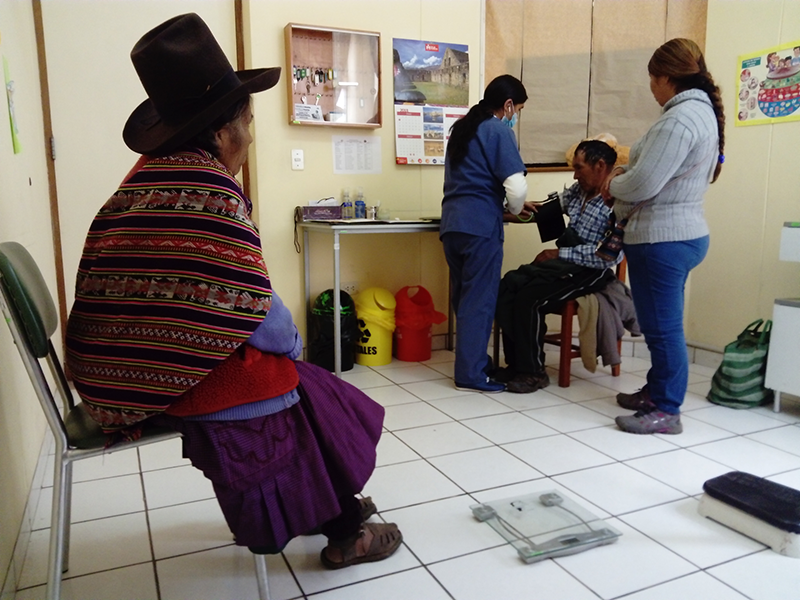
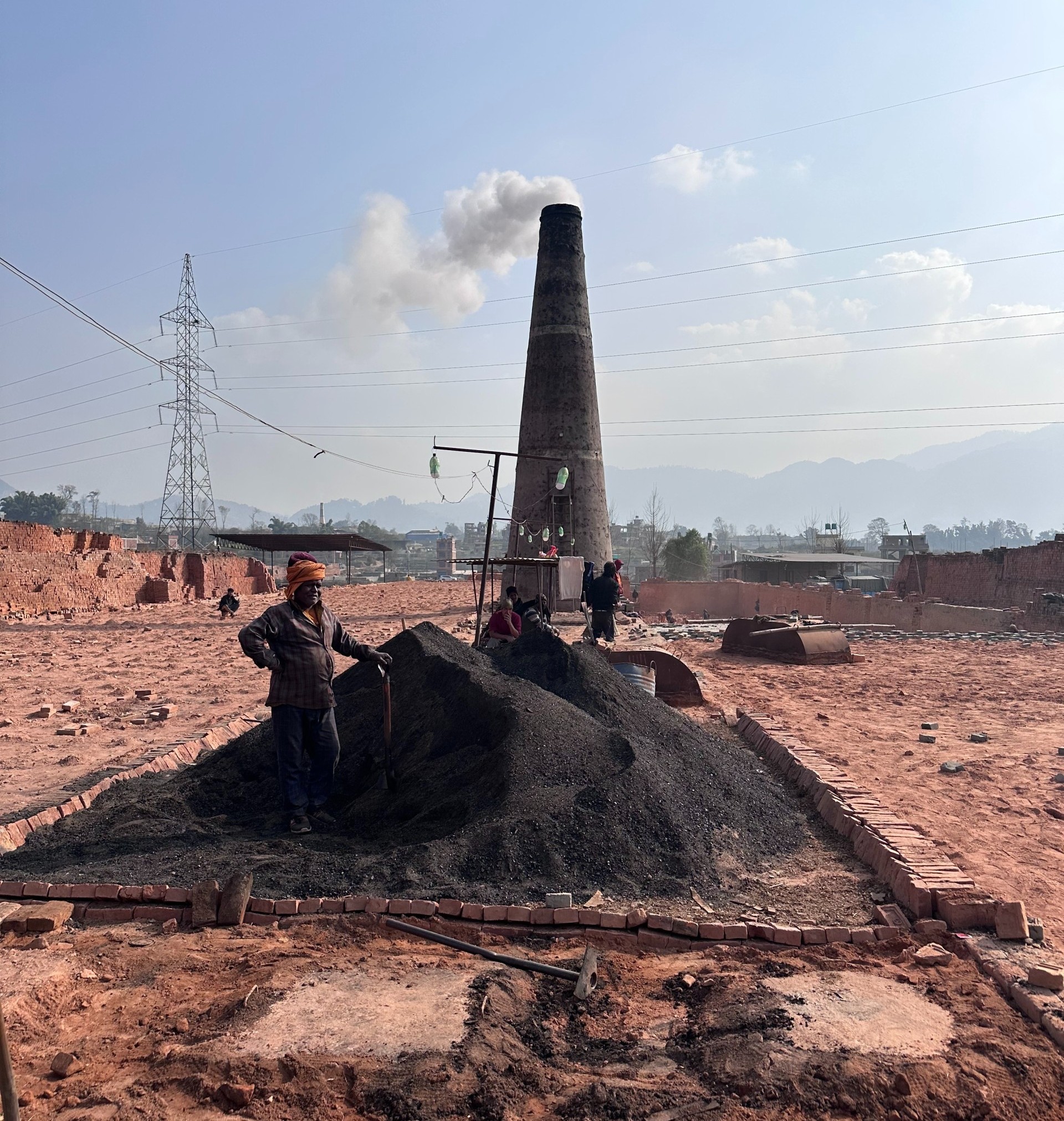
The GASP Model originated from the experience of the “Partners in Care – Optimizing Asthma & COPD Diagnosis and Chronic Disease Management in Guyana” project, a respiratory medicine training initiative coordinated by Professor Robert Levy of the University of British Columbia. Launched in Guyana in 2014, the model was subsequently developed and implemented by the Foundation in Peru in 2018, Nepal in 2023 and Uganda in 2026.
Effective management of asthma and COPD requires accurate diagnosis, based on clinical assessment and, where available, spirometric confirmation, together with appropriate treatment, patient education and engagement, and continuous monitoring. To help ensure these elements are available also in resource-limited settings, the GASP Model is built around four complementary pillars that work together to strengthen respiratory health services.
The GASP Model originated from the experience of the “Partners in Care – Optimizing Asthma & COPD Diagnosis and Chronic Disease Management in Guyana” project, a respiratory medicine training initiative coordinated by Professor Robert Levy of the University of British Columbia. Launched in Guyana in 2014, the model was subsequently developed and implemented by the Foundation in Peru in 2018, Nepal in 2023 and Uganda in 2026.
Effective management of asthma and COPD requires accurate diagnosis, based on clinical assessment and, where available, spirometric confirmation, together with appropriate treatment, patient education and engagement, and continuous monitoring. To help ensure these elements are available also in resource-limited settings, the GASP Model is built around four complementary pillars that work together to strengthen respiratory health services.
How the GASP Model works
The four pillars of the GASP Model
Education
Strengthening the skills of healthcare professionals in the diagnosis, management and care of people with chronic respiratory diseases, while promoting health education and self-management among patients, caregivers and communities.
Facilities and equipment
Strengthening respiratory health services through adequate infrastructure, dedicated spaces and equipment, together with appropriate clinical and operational protocols and standards, to ensure accessible, high-quality services and continuity of care.
Data and Research
Using clinical and programme data to continuously improve services, generate evidence and identify good practices, supporting the development and scale-up of models of care.
Ecosystem Strengthening
Creating an enabling environment for sustainable services through collaboration among institutions, healthcare facilities, universities, scientific societies, civil society organisations and communities, promoting coordination, knowledge sharing and networking.
Where we work