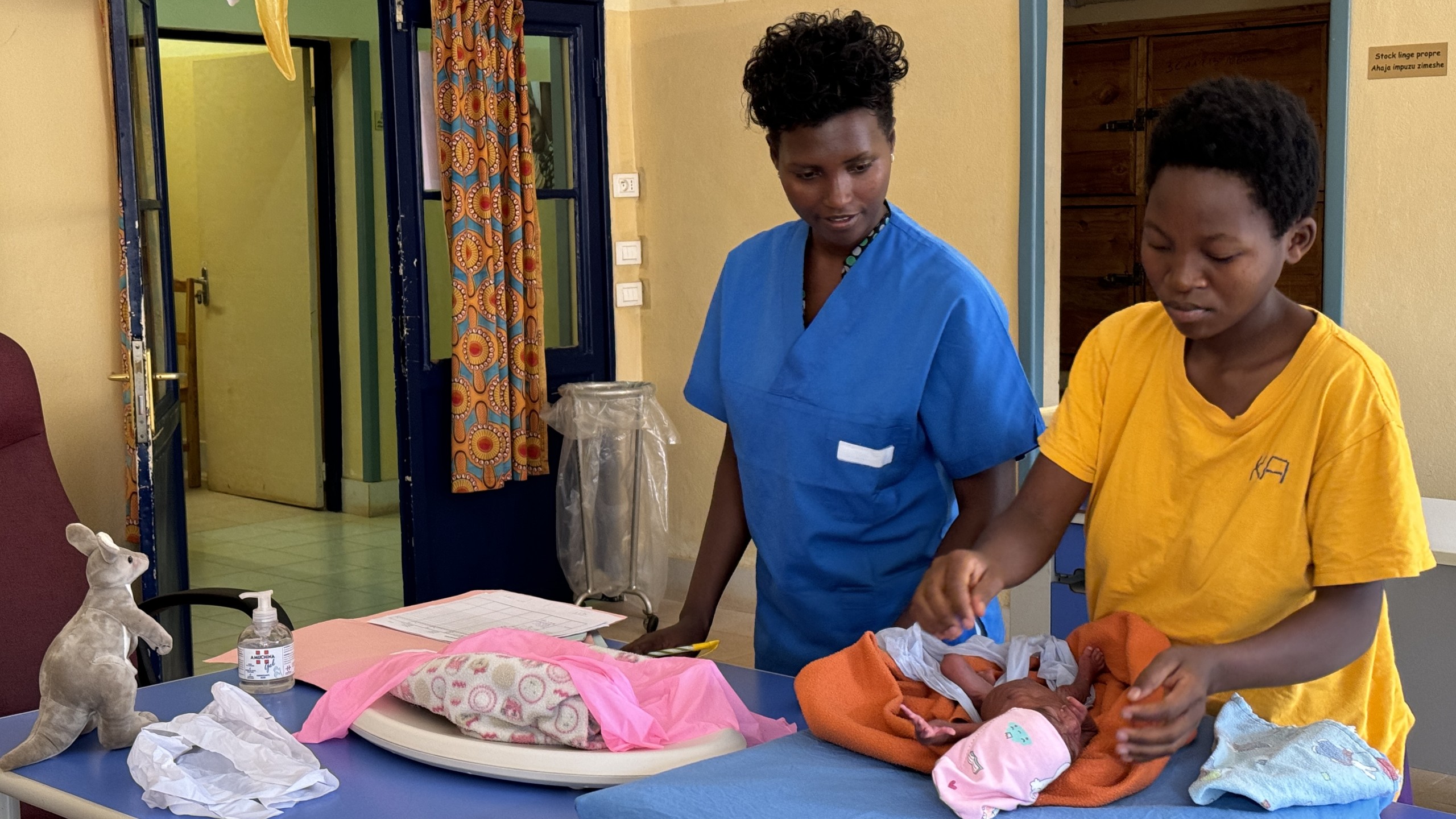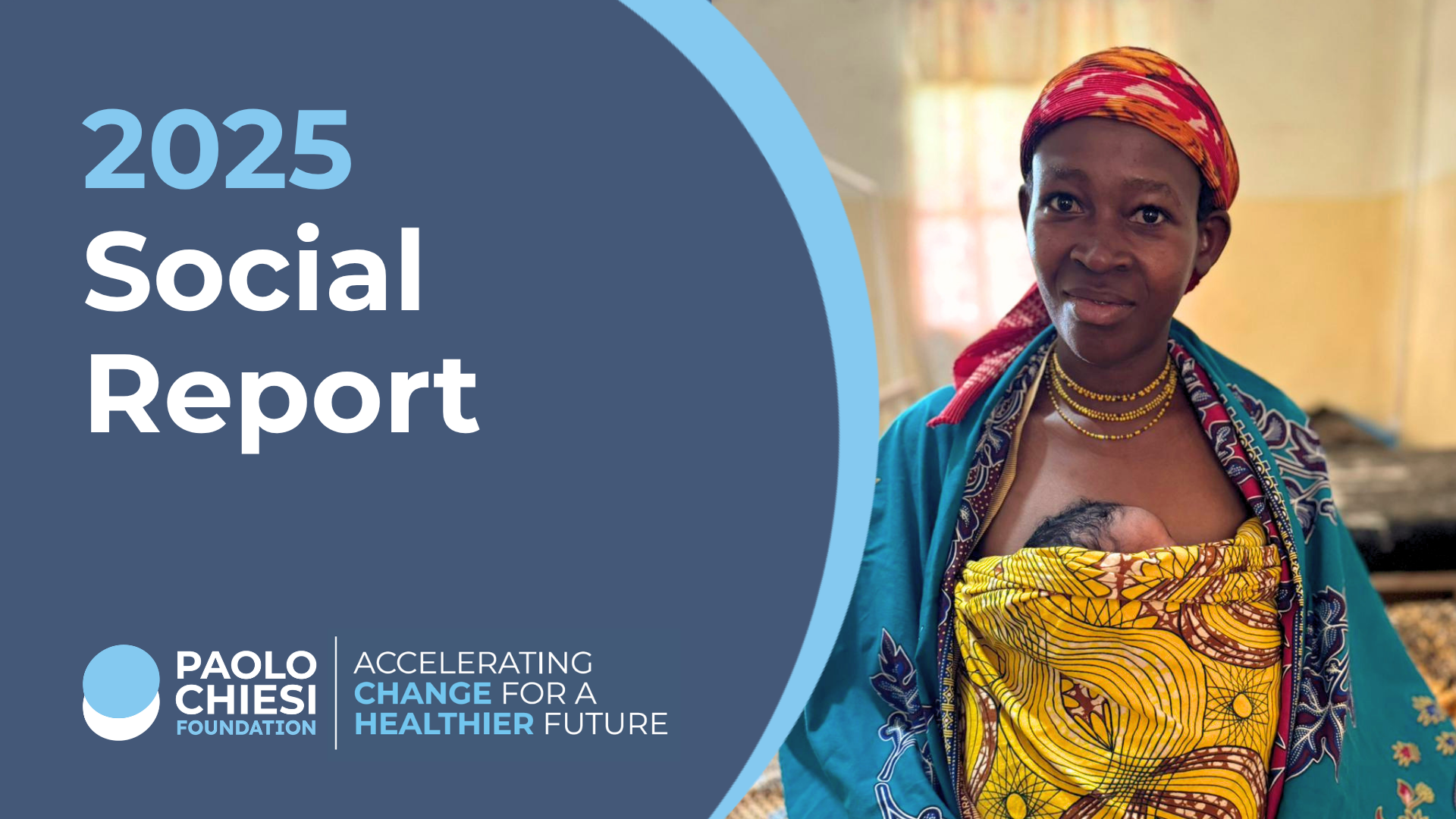
In the neonatology ward of a hospital in sub-Saharan Africa, a mother holds her baby to her chest, while a nurse monitors the vital signs and guides the newborn’s first days of life. Thousands of kilometers away, in a healthcare center in the Andes, a patient undergoes a spirometry test to identify a respiratory illness and begin therapy.
These are different scenes, in contexts far apart, but they tell the same story: strengthening access to quality care in places where healthcare systems face the greatest challenges, building skills, improving the organization of services, and working alongside local healthcare professionals.
In 2025, the Paolo Chiesi Foundation worked in 12 countries of the Global South, reaching over 14,600 people through programs dedicated to neonatal and respiratory health. This commitment was developed together with hospitals, NGOs, universities, and research institutes to make a tangible contribution to strengthening local healthcare systems.
These results are highlighted in the 2025 Social Report, which transparently documents the activities carried out, the results achieved, and the challenges faced throughout the year.
Identity transition, continuity of commitment
2025 also marks a significant moment in the Foundation’s journey, characterized by the adoption of the name Paolo Chiesi Foundation. This change accompanies the evolution from corporate to family foundation and strengthens the connection with the founder’s vision, demonstrating a growth that goes beyond the formal aspect.
This is, in fact, a transition reflecting broader growth, characterized by greater autonomy and an increasingly clear positioning in the field of global health. At the same time, it expresses the desire to consolidate a philanthropic role capable of building lasting alliances and operating continuously in an international context that is ever more complex, marked by reduced funding for cooperation and increasing uncertainty.
Neonatal health and the NEST Model
In the field of neonatal health, the Foundation has continued to implement the NEST Model (Neonatal Essentials for Survival and Thriving), an integrated approach designed to improve the quality of care in neonatology wards and reduce neonatal mortality rates. The model integrates services organization, healthcare staff training, clinical practices updating, and data use to guide care decisions.
Over the course of 2025, activities were carried out in Benin, Burkina Faso, Burundi, Côte d’Ivoire, and Togo, where over 8,000 newborns were cared for in wards supported by the Foundation. At the same time, 202 healthcare workers took part in training programs designed to strengthen clinical and organizational skills through practical activities in the field, mentoring, and ongoing updates.
This work translates into everyday care: it means promoting practices like Kangaroo Care, strengthening prevention and management of infections, improving clinical protocols, and supporting more effective use of data. It also means guiding healthcare teams in rethinking the organization of services, so that the quality of care is not only linked to the emergency of the moment, but becomes a structural component of the healthcare system.
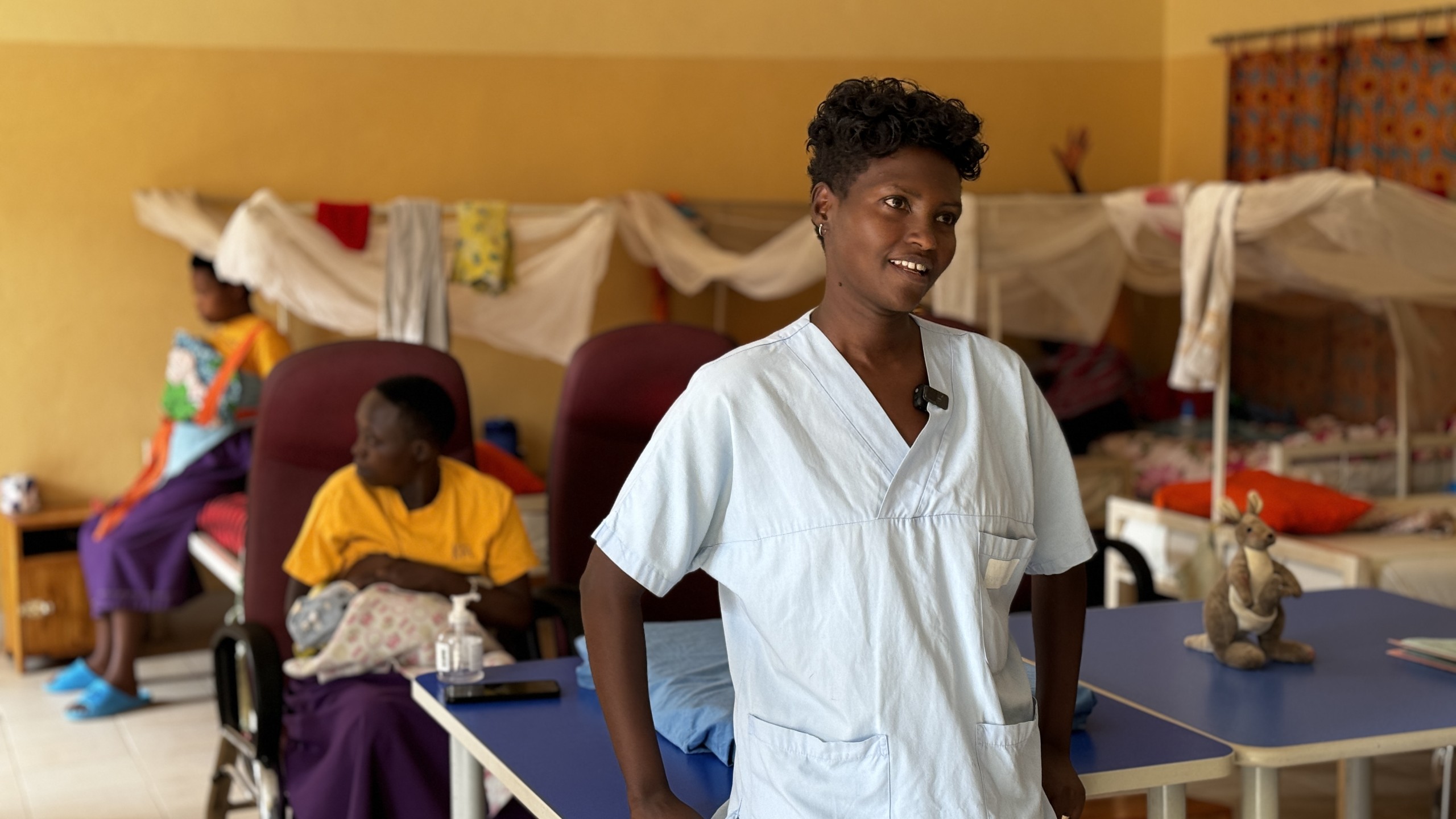
The value of this journey emerges clearly in the words of those who experience daily life in the wards. Bérénice Ametepe, nurse in the neonatology ward of CHU‑MEL Hospital in Cotonou (Benin), has worked closely with premature babies and families for over fifteen years and has witnessed the changes introduced over time.
“Today we are able to manage premature babies better, thanks to clearer protocols and a more structured organization. Monitoring has become more regular and interventions more timely,” she says. “We guide families through the care process, explaining the importance of skin-to-skin contact and breastfeeding. The active presence of mothers really makes a difference to the children’s wellbeing.”
In her experience, this approach has also transformed the daily work of healthcare staff, making more continuous and informed care possible. “When skills, organization, and participation of mothers come together, the results are tangible, even in terms of newborn survival.”
Respiratory health and the GASP Model
The Foundation has continued to strengthen its commitment to respiratory health through the implementation of the GASP Model (Global Access to Sustainable Pulmonology). The goal is to improve access to diagnosis and management of chronic respiratory diseases in resource-limited contexts, where conditions such as asthma and chronic obstructive pulmonary disease (COPD) often remain underdiagnosed or are treated sporadically.
In 2025, activities took place in Guyana, Nepal, and Peru, involving over 5,400 patients and 236 healthcare workers in training and skills development courses. The work focused particularly on the introduction of respiratory function tests, the definition of diagnosis and treatment pathways, and the integration of these services into local healthcare systems.
Particular attention was also paid to contexts especially exposed to risk factors, such as brick factory workers in Nepal. In these settings, the screening activities have made it possible to highlight often invisible healthcare needs and to increase the knowledge and awareness of many workers.
Research and partnerships: building knowledge to improve care
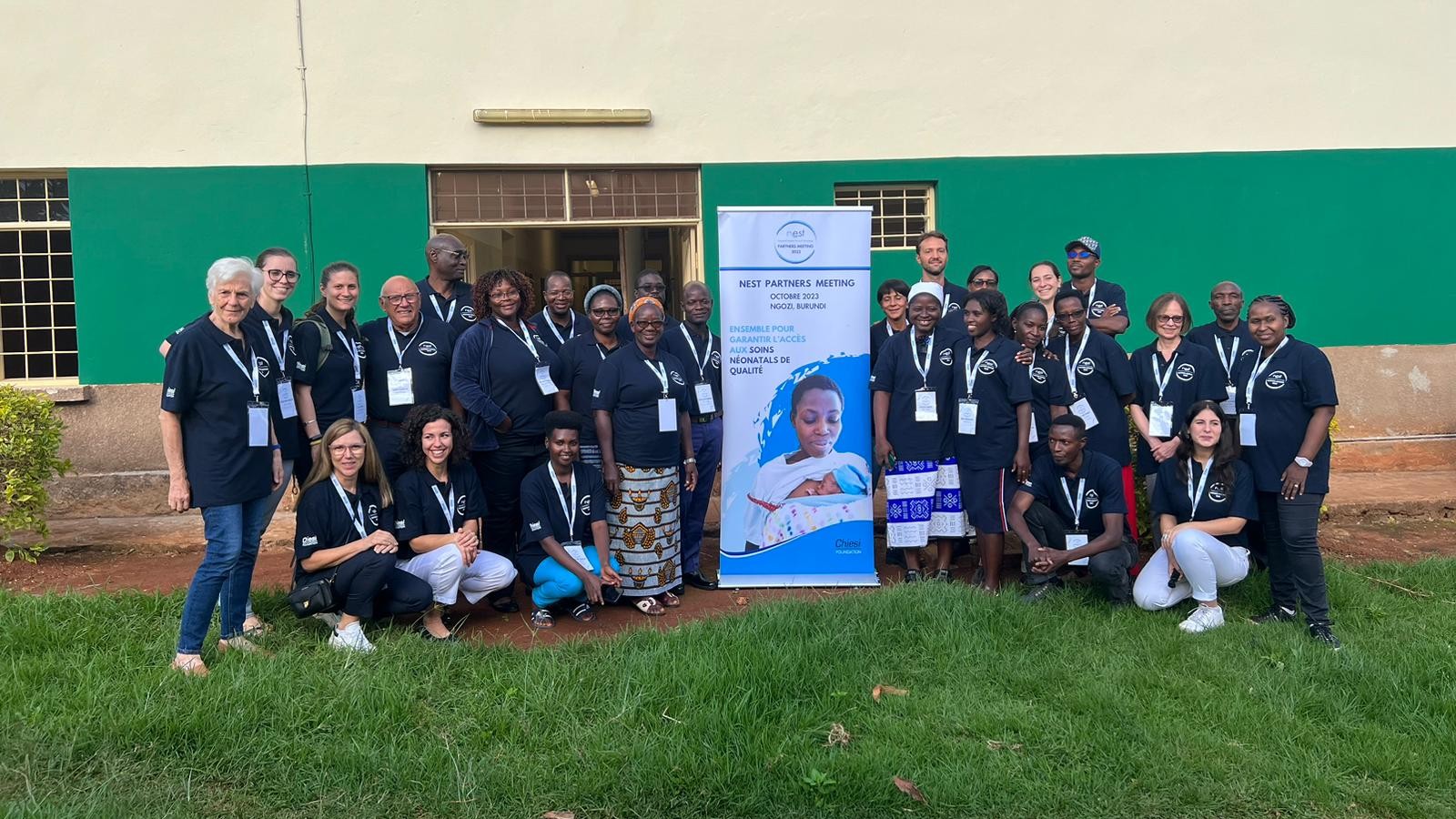
Throughout the year, research activities and international collaboration continued, thanks to a growing network of partners and healthcare facilities involved. The Foundation worked alongside hospitals, universities, civil society organizations, and international institutions, fostering the exchange of skills and building shared projects.
Within this area falls the IMPULSE Project (Improving Quality and Use of Newborn Indicators), dedicated to improving the quality and use of neonatal data in resource-limited contexts. Through this work, the Foundation contributes to the development of tools and approaches useful in making data a tangible resource for clinical practice and for healthcare planning.
Looking ahead, starting from the fieldwork
2025 was a year of consolidation and transformation. The evolution of the Foundation’s identity represents a milestone in an ongoing journey, which finds its realization in the daily activities carried out in the intervention countries. Work continues to develop in hospital wards, training programs, screening activities, and collaboration networks built together with local partners.
We wish to express heartfelt thanks to all partners, collaborators, supporters, and donors who, with their commitment and trust, accompany the Foundation on this path of growth and change. Thanks to your generosity and dedication, we have been able to realize concrete projects and build a more inclusive and sustainable care system.
Discover the 2025 Social Report
The Paolo Chiesi Foundation’s 2025 Social Report is available for consultation and download here in Italian, and will be published also in English, French, and Spanish to ensure maximum accessibility at the international level.