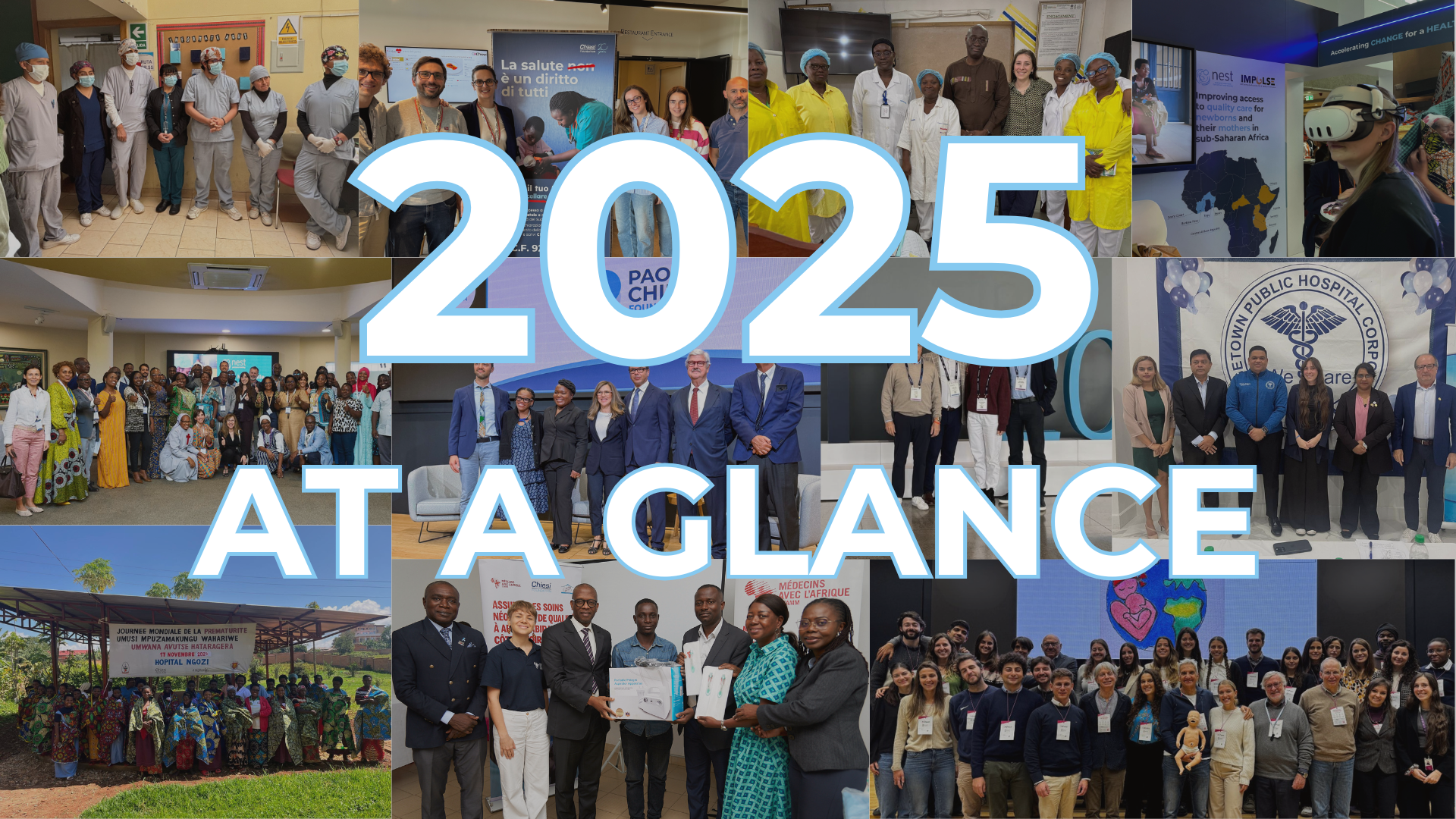
2025 is drawing to a close, and here at the Foundation, our minds and energies are already focused on developing the projects planned for next year. But first, we want to take stock of the results achieved and milestones reached in the last 12 months. Below, you’ll find a quick overview of the main initiatives launched by the Foundation or our partners that we have joined.
Paolo Chiesi Foundation celebrates its first 20 years
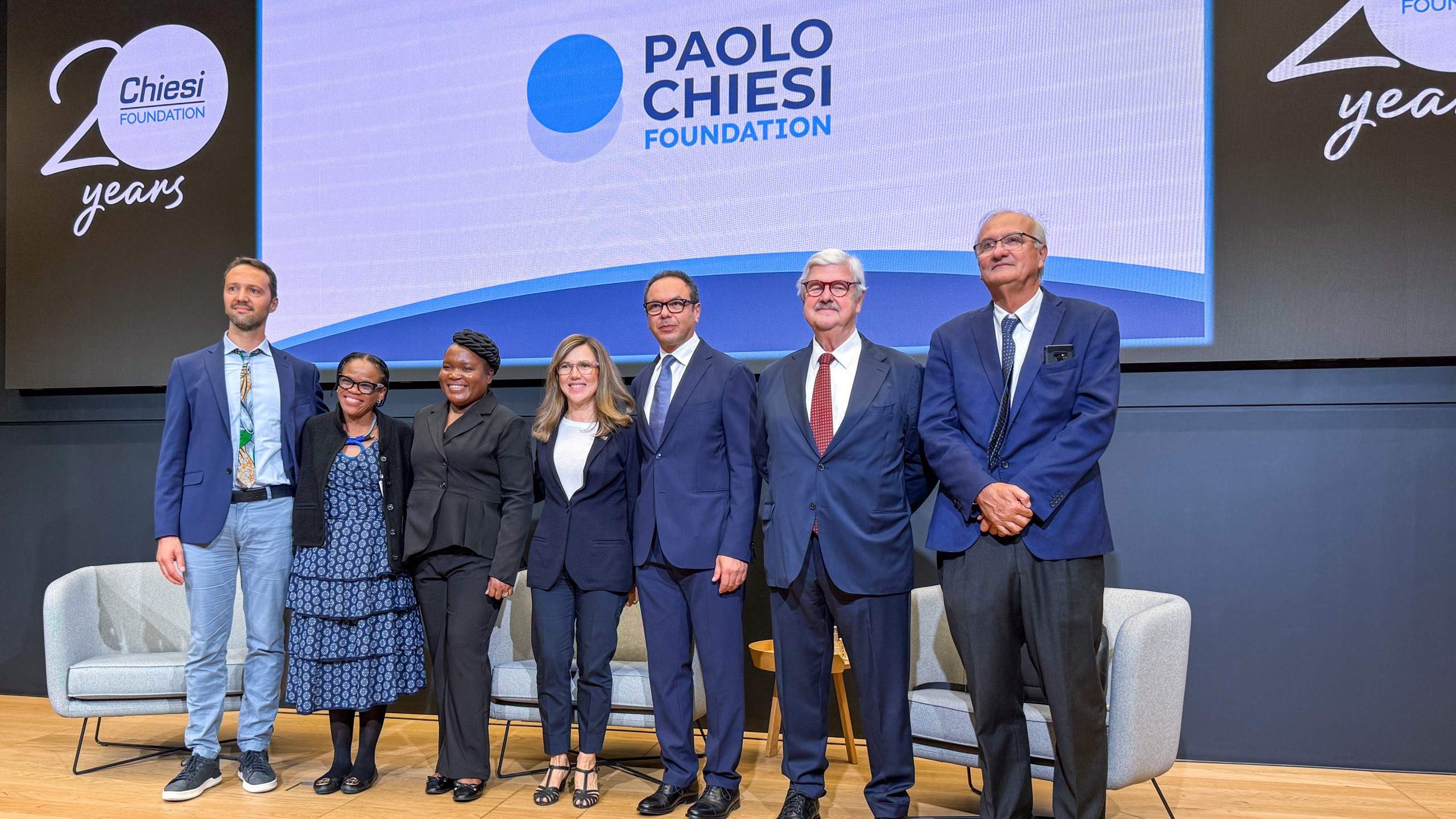
Not the first in chronological order, but certainly the most important date of the year for us: on September 25, the Foundation celebrated its 20th anniversary with the event “Accelerating Change: A Dialogue on the Future of Healthcare in the Global South,” hosted at the Auditorium of the Chiesi Group headquarters in Parma. The meeting opened with introductory remarks from Maria Paola Chiesi, President, and Massimo Salvadori, Coordinator, followed by a roundtable discussion between Dr. Queen Dube, Head of the Newborn Health Program at the WHO, and Professor Refiloe. Masekela, head of the Department of Paediatrics and Child Health at the University of KwaZulu-Natal, moderated by journalist and writer Vittorio Longhi.
The discussion addressed the challenges of neonatal and respiratory care in countries of the Global South, highlighting the need for more inclusive partnerships, strengthening local health systems, and sustainable innovation. Dube shared her experience in reducing maternal and neonatal mortality and the NEST360 alliance, while Masekela brought her perspective on pediatric respiratory health and the importance of training.
The new name, “Paolo Chiesi Foundation,” was announced to honor the memory and legacy of its founder and reaffirm the values of equity and the right to health.
Publication of the 2024 Social Report
In July, the Foundation published its 2024 Social Report, a document that transparently reports on the activities and results achieved in the previous year, in line with the Sustainable Development Goals of the 2030 Agenda, and has been published regularly since 2023. 2024 was a year of consolidation and growth, with initiatives aimed at reducing inequalities in access to care and improving the quality of neonatal and respiratory care in countries of the Global South.
Among the most significant quantitative results, we recall the 4,300 newborns admitted to the neonatology departments, more than 370 families assisted in the Kangaroo Care units, the 295 health workers trained, the over 15,000 patients affected by chronic respiratory diseases assisted, and the 32 hospitals and clinics supported.
The Report, which is available in English and French since September, confirms the Foundation’s desire to act consistently and responsibly to make the right to health a concrete reality.
NEST Partners Meeting: Abidjan hosts the third edition
The third edition of the NEST Partners Meeting, the annual event that brings together partners of the Neonatal Essentials for Survival and Thriving (NEST) Model, developed by the Foundation, took place from July 7 to 10 in Abidjan, Côte d’Ivoire. The meeting brought together doctors, nurses, hospital directors, and institutional representatives from various countries in French-speaking sub-Saharan Africa, with the aim of sharing experiences, discussing common challenges, and planning actions to improve the quality of neonatal care.
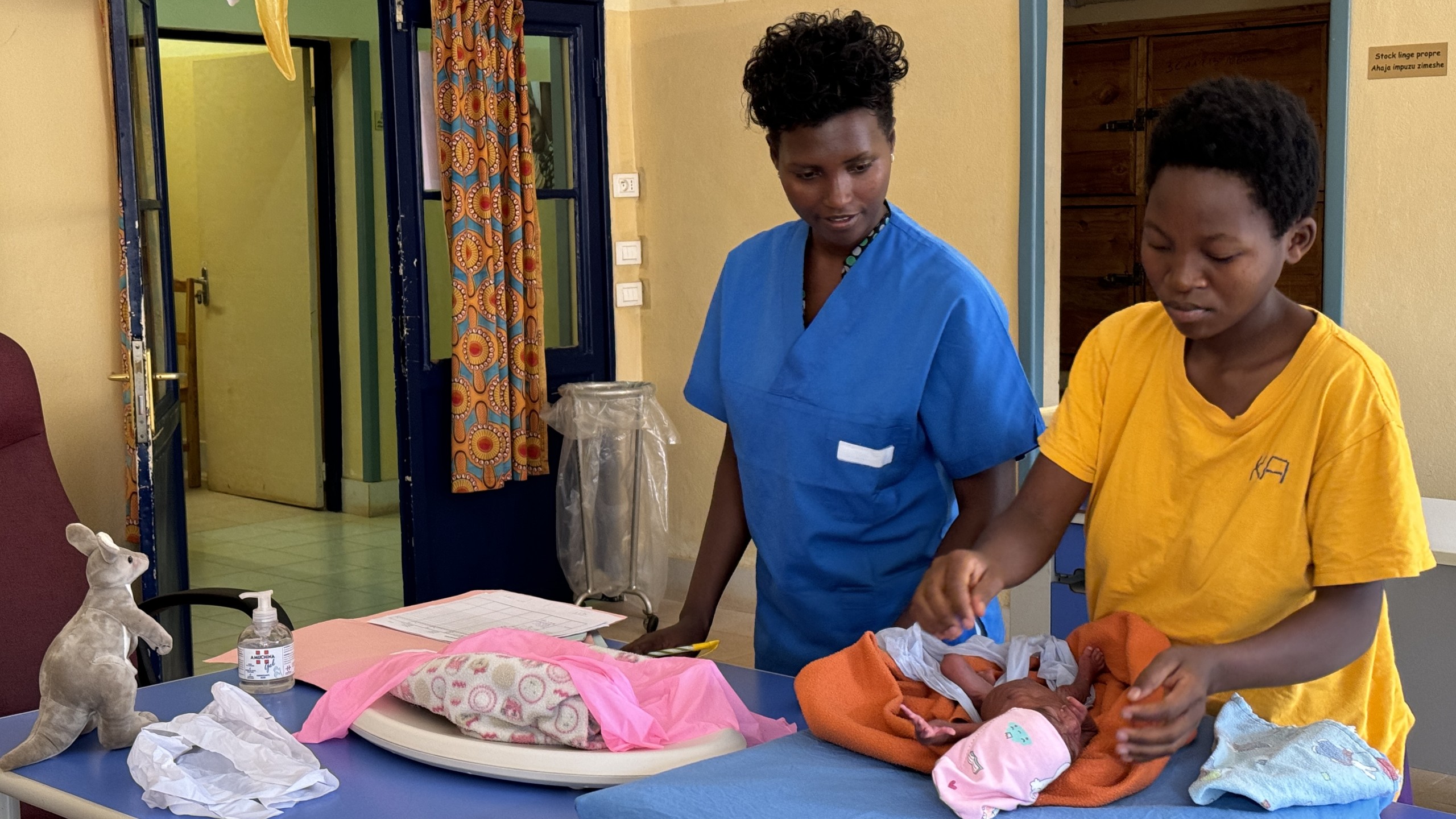
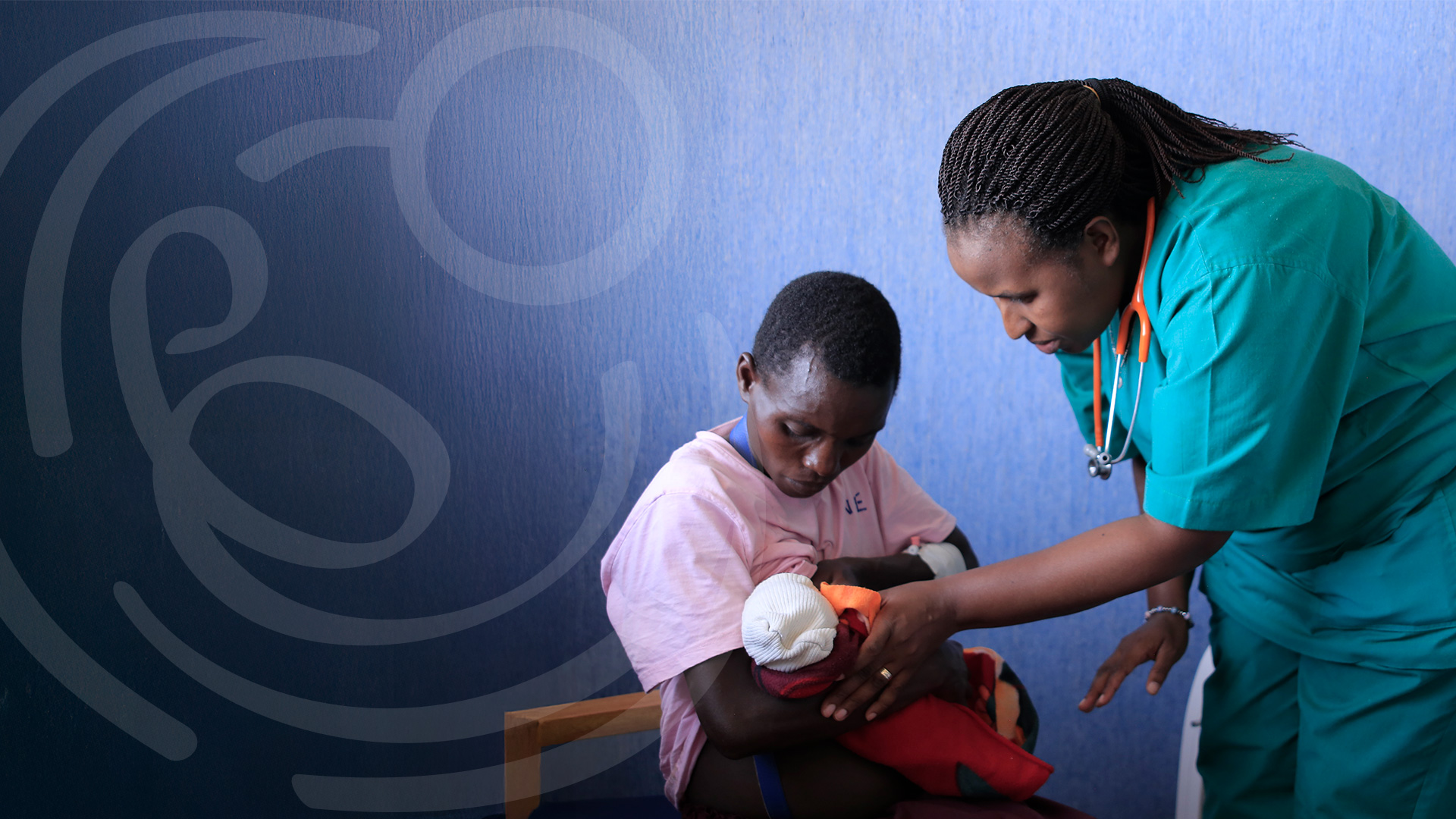
Topics addressed included training healthcare workers, adopting essential technologies, strengthening neonatal intensive care units, and promoting Kangaroo Care, a practice essential for the survival of premature and low-birth-weight infants. Kangaroo Care involves skin-to-skin contact and promotes thermoregulation, breastfeeding, and clinical stability. The progress achieved in partner centers and strategies for expanding the impact of the NEST Model, based on local collaboration and sustainability, were presented.
The meeting confirmed the central role of partnerships in reducing neonatal mortality and ensuring safe and effective care. The Paolo Chiesi Foundation, which promoted the initiative, reaffirmed its commitment to supporting infrastructure, equipment, and training programs, strengthening the cooperation network to make the right to health a reality.
Strengthening quality and impact: the Technical Advisory Groups are born
Between late 2024 and early 2025, the Foundation took an important step to strengthen the quality and impact of its programs by establishing two Technical Advisory Groups, dedicated respectively to the NEST Model and the GASP Model. These working groups are composed of international experts in the fields of neonatology, respiratory health, health training, and international cooperation.
The NEST Technical Advisory Group includes key figures such as Prof. Ousmane Ndiaye, Vice-President of the Association des Pédiatres de Langue Française, Prof. Solange Ouédraogo, Head of Department at the Centre Hôpitalier Universitaire de Bogodogo in Ouagadougou (Burkina Faso) and President of the Research Committee of the African Neonatal Association, Dr. Franck Houndjaohue, Treasurer of the African Neonatal Association, and Dr. Ousman Mouhamadou, Coordinator of the IMPULSE project in the Central African Republic.
The GASP Technical Advisory Group focuses on innovation in the diagnosis and management of chronic respiratory diseases and includes Professor William Checkley and Professor Laura Nicolaou, Professor and Associate Professor, respectively, at Johns Hopkins University; Professor Refiloe Masekela, Head of the Department of Paediatrics and Child Health at the University of KwaZulu-Natal; and Professor Robert Levy, Professor of Clinical Medicine at the University of British Columbia in Vancouver, Canada.
Both groups work closely with local and international partners, providing scientific advice and contributing to the dissemination of best practices. Their establishment represents a concrete sign of the Foundation’s commitment to ensuring the effectiveness, sustainability, and ongoing updating of its intervention models, for the benefit of the communities involved.
Eliminate inequalities with the 5×1000
Like every year, in 2025, the Paolo Chiesi Foundation has launched its 5×1000 donation campaign, inviting citizens and supporters to donate a small portion of their tax returns to the Foundation.
Through the 5×1000 contribution, the Foundation can continue to provide essential equipment, train healthcare workers, and support local hospitals, in line with its mission of guaranteeing the right to healthcare for all.
The campaign, aimed at all Chiesi Group employees who are tax residents in Italy, highlights how even a simple gesture can help eliminate existing inequalities in many countries around the world (particularly in the Global South) and have a concrete impact in saving the lives of premature babies, improving the diagnosis of chronic respiratory diseases, and improving healthcare equity.
The Foundation at the ATS Conference 2025
On the respiratory research front, the Foundation participated in May at the ATS Conference, one of the most important international events dedicated to respiratory health. The conference, organized by the American Thoracic Society, was held in San Francisco and brought together thousands of professionals, researchers, and organizations committed to fighting chronic respiratory diseases.
The Foundation presented the progress of the GASP (Global Access to Sustainable Development) Model, created to improve the diagnosis and monitoring of respiratory diseases in the countries of the Global South, as part of the symposium “Quality management of chronic respiratory diseases in resource-limited settings.”
The presentations addressed key issues such as adapting international strategies (GINA, GOLD) to local realities and supporting health systems to strengthen access to care and local capacities, as well as a reflection on the role of philanthropic organizations that can promote sustainable changes in respiratory health management, in contexts characterized by limited public resources and growing global uncertainties.
Participation in the ATS Conference was also an opportunity to strengthen collaborations with academic institutions and global partners, promoting an integrated approach that combines research, innovation, and capacity building.
The NEST Model at the APLF Conference
From 20 to 22 November, the Foundation participated in the Joint Conference of the Association des Pédiatres de Langue Française (APLF), of the Société Mauritanienne de Pédiatrie (SOMAUPED), and of the Congrès Maghrébin de Pédiatrie, held in Nouakchott, Mauritania. The event brought together hundreds of specialists and healthcare professionals from Africa and Europe, offering over 40 sessions including symposia, workshops, and roundtables on key topics in child and neonatal health, with a particular focus on emerging challenges in resource-limited settings.
The Foundation held the symposium “Innovating and Acting for Perinatal Health through the NEST Model,” moderated by Professor Ousmane Ndiaye. Federica Cassera, Program Development Officer from the Foundation, illustrated its mission and focus on French-speaking countries in sub-Saharan Africa, presenting the NEST Model as an integrated approach to improving the quality of neonatal care. Federico Bianco, Technical Advisor of the Foundation, discussed the “Patient Journey”, that is, the analysis of the entire journey of the newborn from birth to postnatal care to identify needs, difficulties, and critical points, underlining the importance of care centered on the newborn and the family. Dr. Anita Dogo, Pediatrician and Head of the Neonatology Department at the Saint Jean de Dieu Hospital in Tanguiéta (Benin), shared the concrete experience of the implementation of the NEST Model in Benin, while Dr. Ousman Mouhamadou, consultant and member of the Foundation’s Technical Advisory Group, presented the results of the local case study he conducted to evaluate the impact of the NEST Model, highlighting the reduction in neonatal mortality from 33.1% in 2022 to 19.1% in 2024 and the improvement in communication between operators and families.
Participation in the congress strengthened international collaborations and confirmed the Foundation’s commitment to innovation and quality of perinatal care.
New data on the effectiveness of the NEST Model in Benin
Over the course of the year, the Foundation carried out extensive analysis, culminating in the publication of the document “Évaluation d’Impact du Modèle NEST à l’Hôpital Saint Jean de Dieu de Tanguiéta, Bénin” (Evaluation of the Impact of the NEST Model at Saint Jean de Dieu Hospital in Tanguiéta, Benin). The document delves into the case study presented at the APLF Conference, analyzing the results obtained between 2022 and the first quarter of 2025. The work focused not only on reducing neonatal mortality, but above all on improving the quality of care and the organization of the department. The analysis examined clinical and management aspects, with particular attention to the dissemination of Kangaroo Care, infrastructure, infection prevention and control, and continuity of services after discharge.
The evaluation, conducted in collaboration with hospital staff, used a mixed methodology, combining quantitative data (such as mortality rates, number of newborns cared for, investments made) and qualitative data (interviews and focus groups with staff and families). The goal was to capitalize on lessons learned, identify good practices and critical issues, and guide strategic priorities for the 2025–2027 period. This work represents a concrete tool for further improving the effectiveness of the NEST Model and promoting its sustainability and replicability in other African contexts.
The implementation of the NEST and GASP Models continues
In parallel with all the activities described above, throughout the year, the Foundation continued to strengthen the presence and effectiveness of the NEST and GASP Models in the countries where it operates. The NEST Model was implemented in Benin, Burkina Faso, Burundi, Côte d’Ivoire, and Togo, with a particular focus on training healthcare workers and improving clinical procedures.
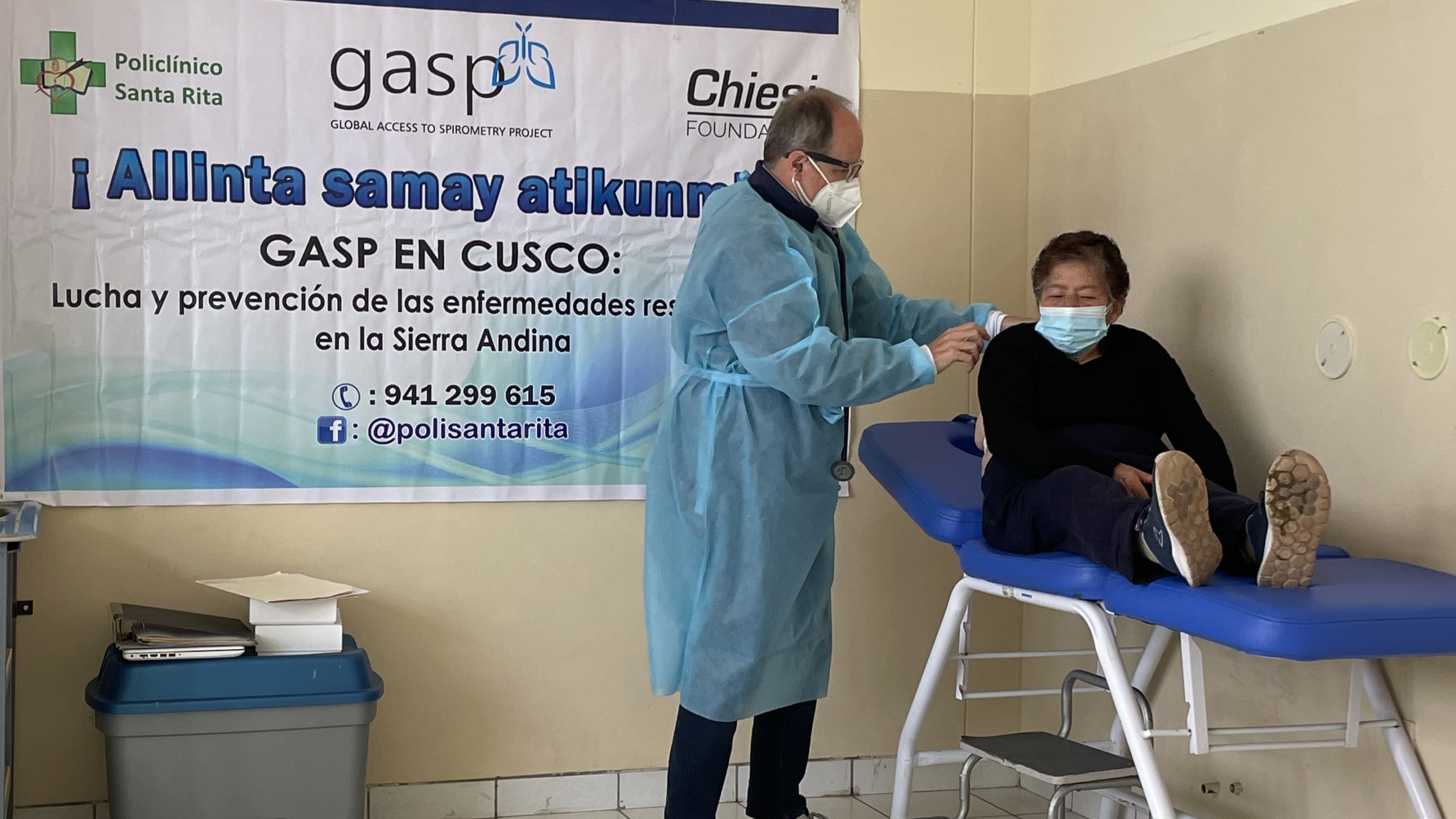
Regarding the GASP Model, its implementation has been expanded in Guyana, in collaboration with the local Ministry of Health, and consolidated in Peru thanks to the renewal of the partnership with the Santa Rita Polyclinic in Cusco, Chiesi Spain, and the Sociedad Española de Neumológia y Cirugía Torácica (SEPAR).
Additionally, the spirometry screening program for brick kiln workers continued in Nepal. The Foundation supported Johns Hopkins University and the Institute of Medicine at Tribhuvan University to conduct a health facility assessment, to add a clinical follow-up component to the GASP Model in the country, scheduled to launch in 2026.
The Foundation’s network continues to grow
In 2025, the Foundation launched three new partnerships to strengthen the impact of its programs and expand its international collaboration network. The collaboration with the Pan African Thoracic Society represents an important step in the development of the GASP Model, thanks to the involvement of one of Africa’s leading scientific societies dedicated to respiratory health. The shared goal is to promote the training of healthcare professionals and facilitate access to essential diagnostic tools for the management of chronic respiratory diseases in Africa.
At the same time, the partnership between the Paolo Chiesi Foundation and WeWorld Onlus in Burundi aims to strengthen neonatal care through the implementation of Kangaroo Care in health centers and communities in Ngozi Province. Together, the two organizations train key stakeholders at all levels, provide structured supervision, and support selected centers to ensure integrated, safe, and effective care, contributing to the reduction of neonatal mortality and the well-being of vulnerable newborns.
Finally, the collaboration with the CHU-MEL Hospital in Cotonou (Benin), the main national referral hospital for maternal and child health, allows for the consolidation of the NEST model, promoting staff training, the adoption of innovative protocols, and the sharing of best practices. These new partnerships confirm the Foundation’s commitment to building strong and inclusive networks to improve neonatal and respiratory health.
Preparing for 2026
The Foundation now looks to 2026 with renewed enthusiasm, strengthening its commitment to ensuring quality healthcare in countries of the Global South. Through new partnerships and innovative projects, it will continue to build collaborative networks and promote growth, training, and best practices, with the aim of generating an increasingly concrete impact on the communities it supports and making quality healthcare a right for all.