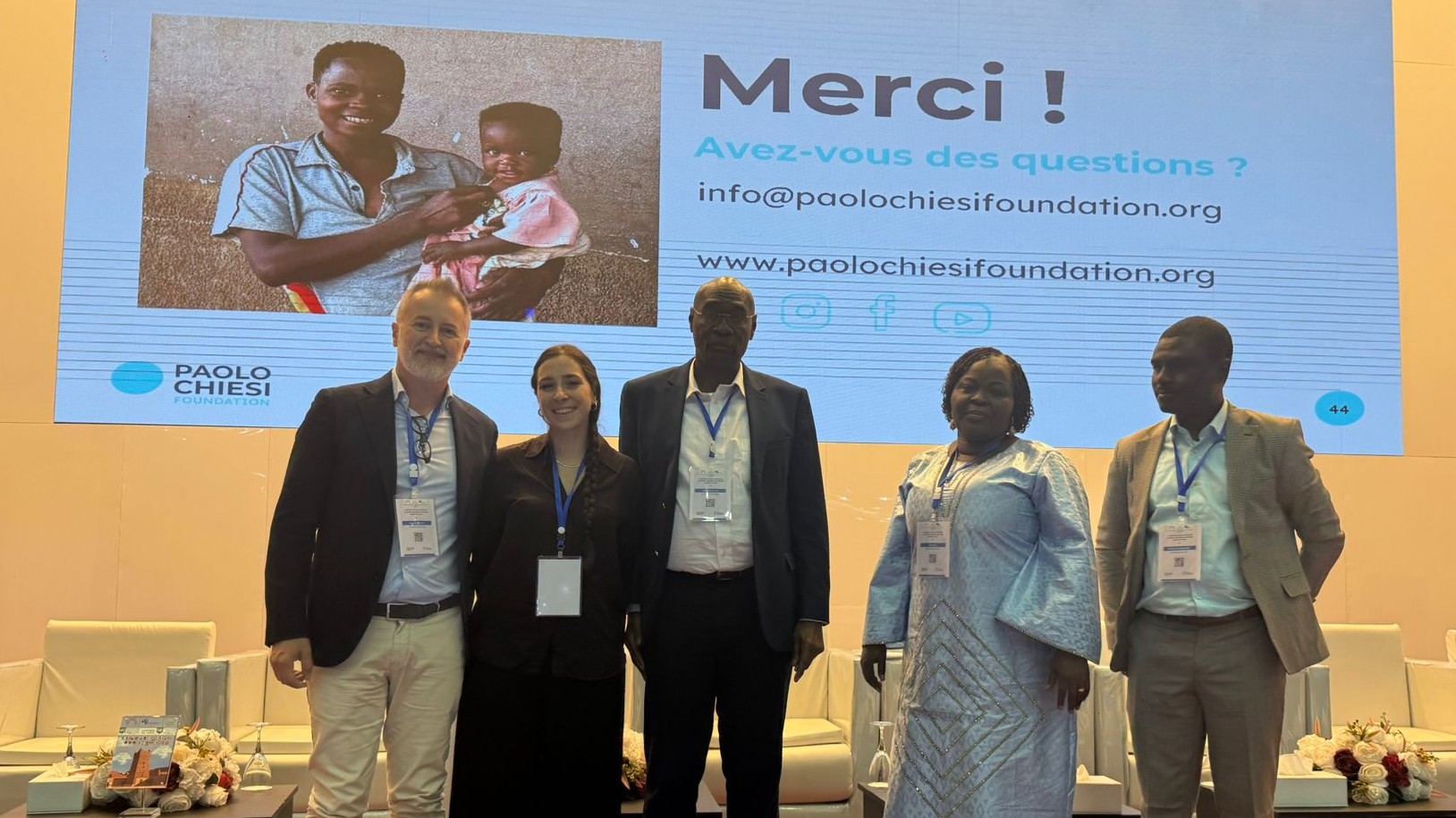
From November 20 to 22, 2025, the Joint Congress of the French-Language Pediatric Association (APLF), the Mauritanian Society of Pediatrics (SOMAUPED), and the Maghreb Pediatrics Conference was held in Nouakchott, the capital of Mauritania. This international event annually brings together hundreds of specialists, researchers, healthcare professionals, and representatives of the major pediatric scientific societies in French-speaking countries to promote discussion, training, and shared growth on crucial issues in infant and neonatal health.
A landmark event for French-speaking pediatrics
The congress featured a broad, multidisciplinary program: over 40 sessions, including symposia, workshops, roundtables, and clinical case presentations, spanning dermatology, rheumatology, pulmonology, gastroenterology, endocrinology, infectious diseases, pediatric emergencies, and neonatology. Special attention was paid to emerging challenges in the Global South, such as infectious disease management, vaccination prevention, nutrition, and neonatal and child care in resource-limited settings.
The conference also provided an important opportunity for networking and collaboration between professionals from Africa and Europe, encouraging the exchange of best practices, scientific development, and the creation of new synergies to improve the quality of pediatric care globally.
The Paolo Chiesi Foundation Symposium: “Innovating and Acting for Perinatal Health Through the NEST Model”
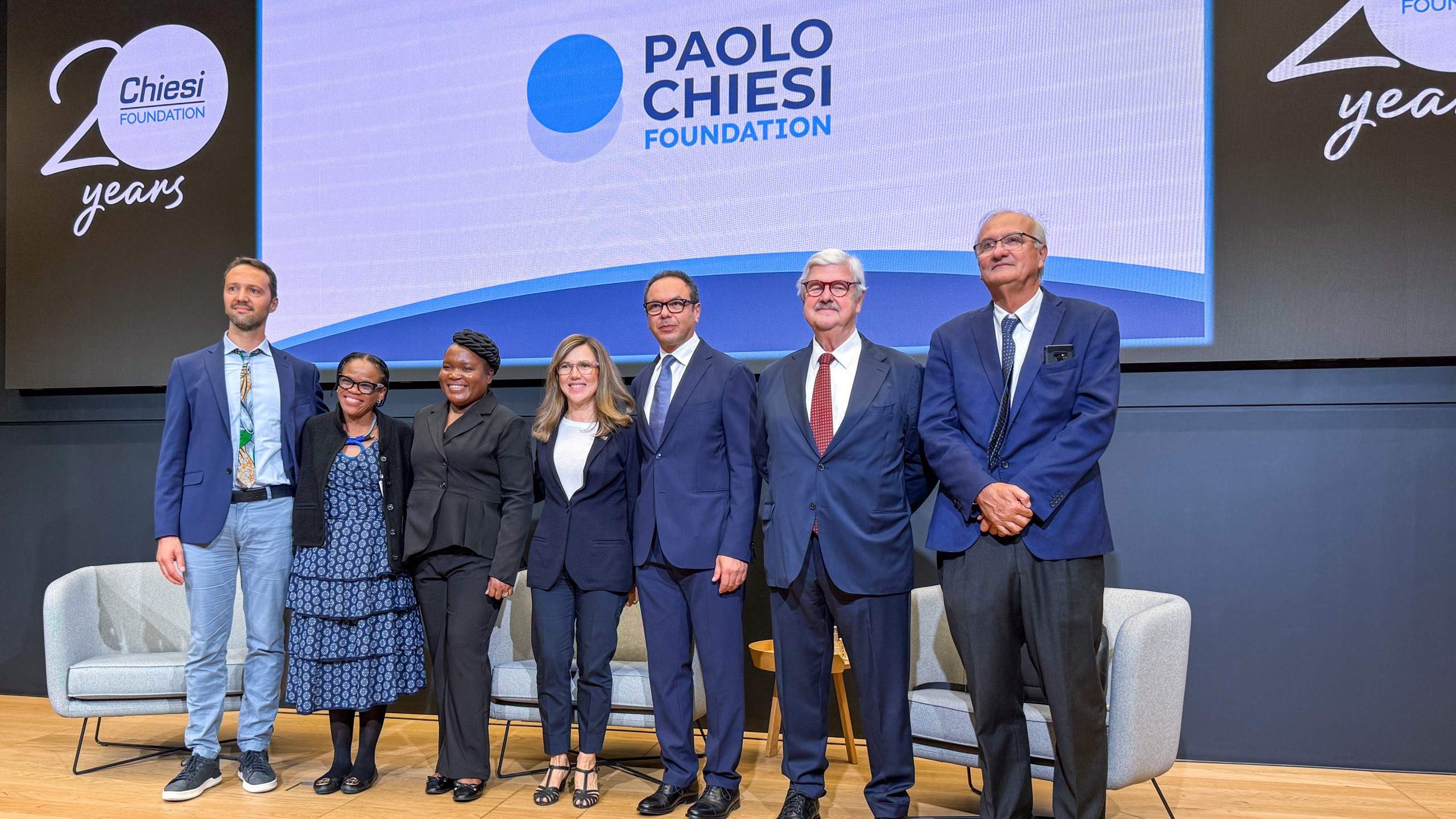
Following its participation in the 2024 edition, the symposium organized by the Paolo Chiesi Foundation took place on Saturday, 22 November, moderated by Prof. Ousmane Ndiaye, and saw the participation of an international panel of experts committed to the promotion of maternal and child health.
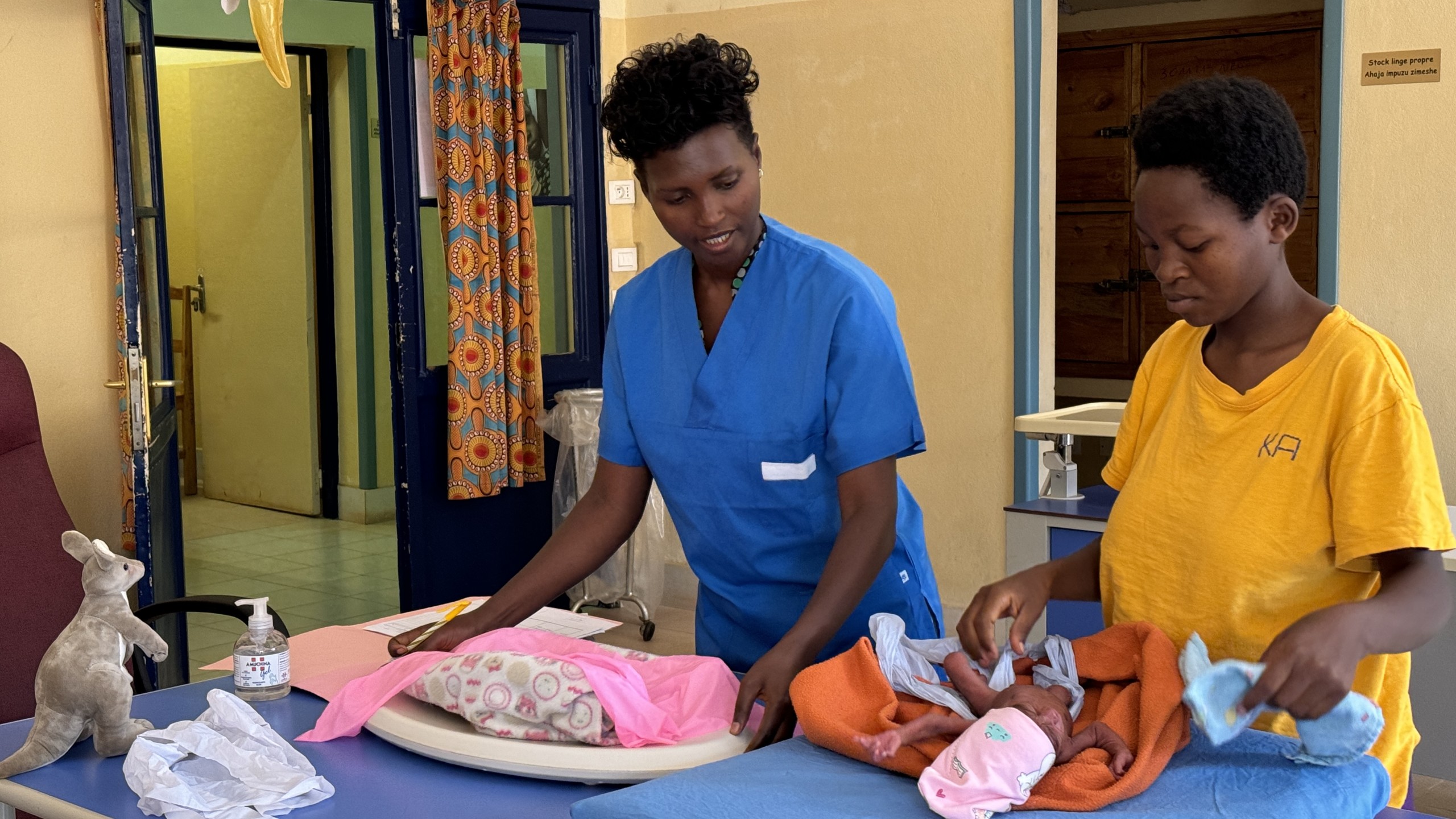
The symposium was opened by Federica Cassera, Program Development Officer of the Foundation, who outlined its mission: to promote innovation and excellence in perinatal care, with a particular focus on French-speaking countries in sub-Saharan Africa, where language is a barrier to accessing resources and medical and scientific literature, which is primarily available in English. The NEST Model was presented, an integrated, multidisciplinary approach that aims to improve the quality of neonatal care through training, provider empowerment, and the implementation of evidence-based protocols, while promoting the active involvement of families as an essential part of the care journey.
Federico Bianco, Technical Advisor to the Foundation, guided participants through the “Patient Journey,” the journey of the newborn and family through the healthcare system. The presentation emphasized the importance of a patient-centered approach, taking into account not only clinical aspects but also psychological, social, and cultural ones, to ensure truly personalized, high-quality care.
Dr. Anita Dogo, Pediatrician and Head of the Neonatology Department at Saint Jean de Dieu Hospital in Tanguiéta (Benin), shared her concrete experience implementing the NEST Model, illustrating the project phases, the challenges faced, and the strategies adopted to adapt the model to the specificities of the local context. She highlighted the results achieved in terms of staff training, improved clinical procedures, and family involvement.
Dr. Ousman Mouhamadou, IMPULSE Project Coordinator, concluded the symposium by presenting the data and evidence collected during the case study conducted at Saint Jean de Dieu Hospital in Tanguiéta, with a particular focus on the impact of the NEST Model on the patient journey. The analysis highlighted the benefits achieved in terms of reduced neonatal mortality and morbidity and improved communication between providers and families.
A conference rich in content, training, and innovation
The congress offered numerous high-level scientific sessions, including:
- Thematic sessions on dermatology, rheumatology, pulmonology, gastroenterology, endocrinology, infectious diseases, nephrology, hematology, cardiology, neurology, and pediatric emergencies.
- Practical workshops for doctors and healthcare workers, including simulations of neonatal emergencies, infection management, nutrition, and resuscitation techniques.
- Round tables dedicated to the challenges of neonatology in developing countries, the prevention of infectious diseases, and the promotion of maternal and child health.
- Update sessions on the latest scientific evidence, with particular attention to prevention strategies, early diagnosis, and integrated care for newborns and children.
The value of international collaboration
The Paolo Chiesi Foundation’s participation in such a significant event confirms the importance of collaboration between institutions, scientific societies, and healthcare professionals to promote innovation and improve the quality of perinatal care across diverse geographic and cultural contexts. The Nouakchott conference provided a unique opportunity to strengthen international cooperation networks, share experiences, and jointly build new perspectives for the future of pediatrics and neonatology.
Thank you all
We thank the organizers and all the participants, speakers, and healthcare workers who, with their active participation and collaborative spirit, contributed to creating a climate of constructive dialogue and the sharing of valuable experiences. Only through the passion and dedication of each individual can we build a better future for the health of children and their families, everywhere in the world.