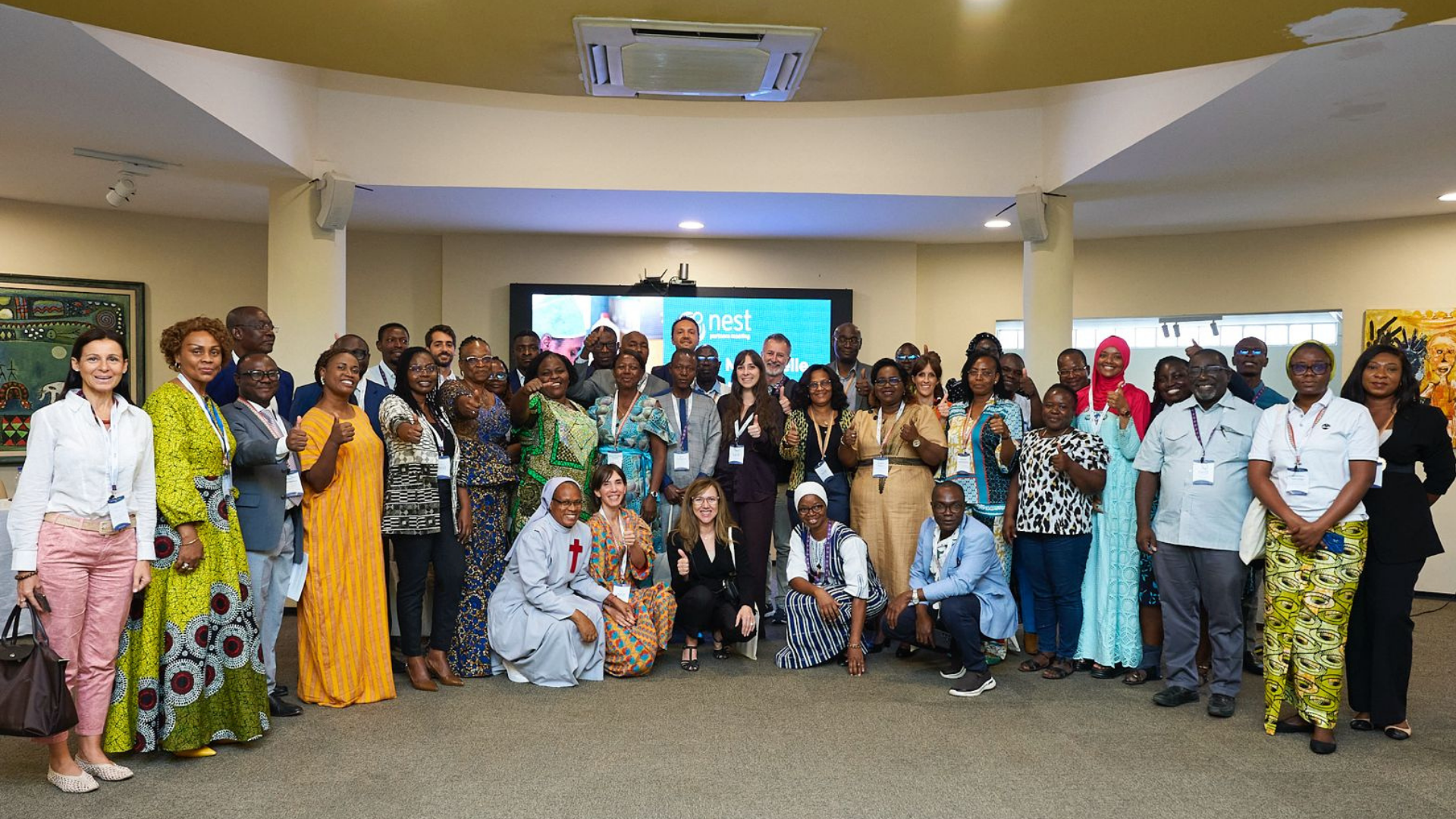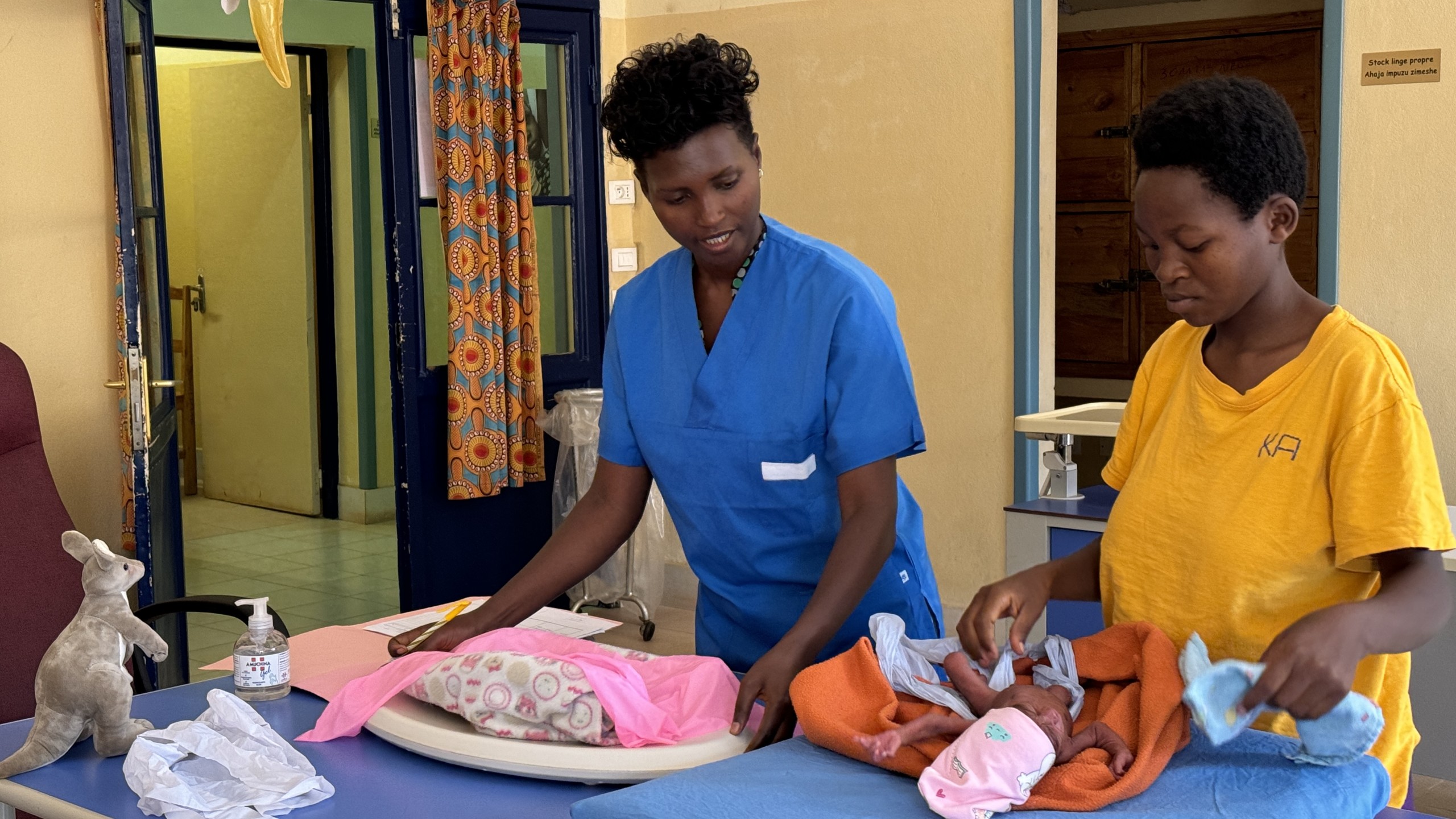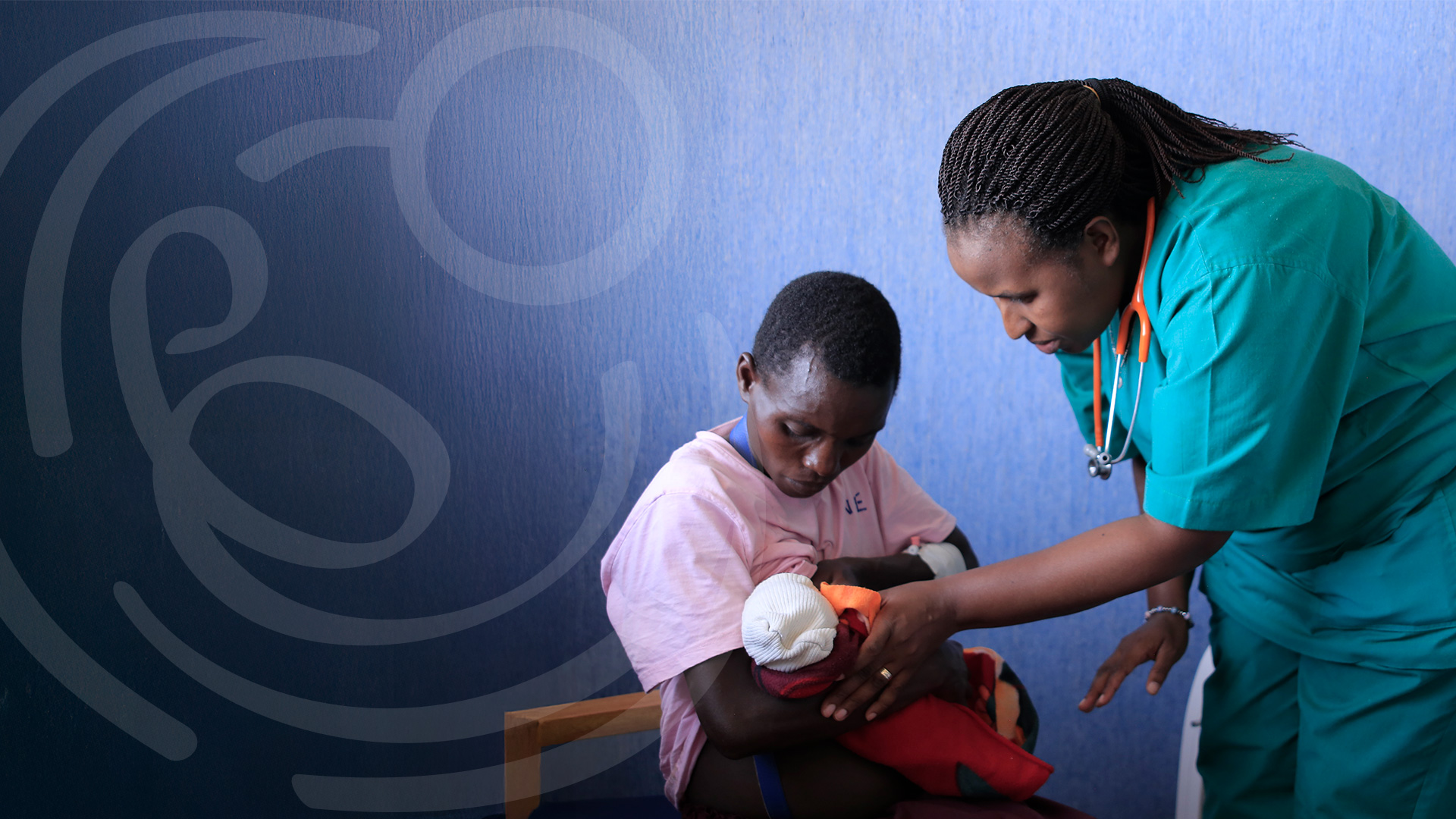
The Paolo Chiesi Foundation is pleased to announce the launch of the new website dedicated to the NEST (Neonatal Essentials for Survival and Thriving) Model, a project born with a clear mission: to support healthcare professionals in caring for newborns in resource-limited settings. This digital tool marks an important step in making the NEST Model more accessible, understandable, and applicable worldwide.
Why a website dedicated to the NEST Model?
The NEST Model was developed to address one of the most urgent challenges in global healthcare: reducing neonatal mortality in resource-limited countries. In many areas of the Global South, the lack of resources, training, and adequate infrastructure makes it difficult to provide quality care to the most vulnerable newborns and their mothers. The NEST Model offers an integrated and sustainable approach, combining clinical skills, staff training, essential equipment, and the involvement and empowerment of the local community.
The new website was created to turn theory into practice, offering a clear and intuitive platform to guide healthcare teams step by step in implementing the model.
What you’ll find on the website
The portal has been designed to be a comprehensive point of reference for anyone wishing to learn about and apply the NEST Model. Main sections include:
- Introduction to the NEST Model: An overview of the model, its philosophy, and guiding principles. This section explains why the NEST Model is considered an innovative approach and how it can make a difference in the survival and well-being of newborns.
- Structure and components of the NEST Model: It is based on key pillars that interact with each other: training, facility readiness, data, and advocacy. This section details each component and its role in the system.
- Practical resources: Downloadable documents, operational guidelines, checklists, and useful tools to facilitate the implementation of the model in real-world settings. The goal is to provide concrete materials that can be used directly by healthcare teams.
- Insights and case studies: Examples of the NEST Model’s application in various hospital settings in the Global South. These cases show how the model can be adapted to specific local needs.
- Linguistic accessibility: To foster international collaboration, the site is available in English and French, aiming to reach as many professionals and organizations as possible.
Why it matters
Every year, around the world, 2.3 million newborns die within the first thirty days of life. This phenomenon especially affects low- and middle-income countries, where hospitals and health centers lack sufficient resources to provide essential care for newborns. In sub-Saharan Africa, neonatal mortality is among the highest, with 26 children dying for every thousand live births.
Behind these numbers are families, communities, and healthcare workers trying to assist newborns. Most of these deaths can be prevented with simple and organized interventions. The NEST Model offers practices and tools that enable healthcare teams to take action: investing in basic neonatal care means saving lives and building the conditions for a future where every child can grow up healthy.
The NEST Model: a vision for the future
The NEST Model is not just a set of guidelines: it is a global strategy to improve neonatal health. It relies on a systemic approach that puts people and processes first. Its strength lies in its scalability and sustainability, adapting to different realities without losing effectiveness.
Thanks to the new website, we hope to create a community of professionals and organizations sharing knowledge, experiences, and best practices, working together to reduce neonatal mortality and ensure a better future for children throughout the Global South.
Want to learn more? Visit the NEST website and join our mission for global neonatal health.