The country
Uganda, often called the “Pearl of Africa”, is a country in East Africa with extraordinary geographical diversity. Its terrain ranges from the snow-capped peaks of the Rwenzori Mountains to vast savannahs, passing through the majestic Lake Victoria. This diversity of landscapes has made Uganda one of the most popular tourist destinations on the African continent.
As of 2023, Uganda’s population was approximately 48,656,601. Population growth is significant, with a population growth rate of 2.8%. The population distribution is predominantly rural, with 76% living in rural areas. Life expectancy at birth is approximately 63 years for men and 69 years for women.
Socioeconomically, Uganda is a developing country, with an economy based mainly on agriculture, fisheries and tourism. Despite its tourism potential and wealth of natural resources, the country still faces significant challenges such as social inequalities, poverty and dependence on climatic conditions in agriculture.
Politically, Uganda has gone through a turbulent period since independence, followed by a period of relative calm in recent decades; but political challenges remain numerous, including the fight against corruption, the promotion of human rights and the management of natural resources.
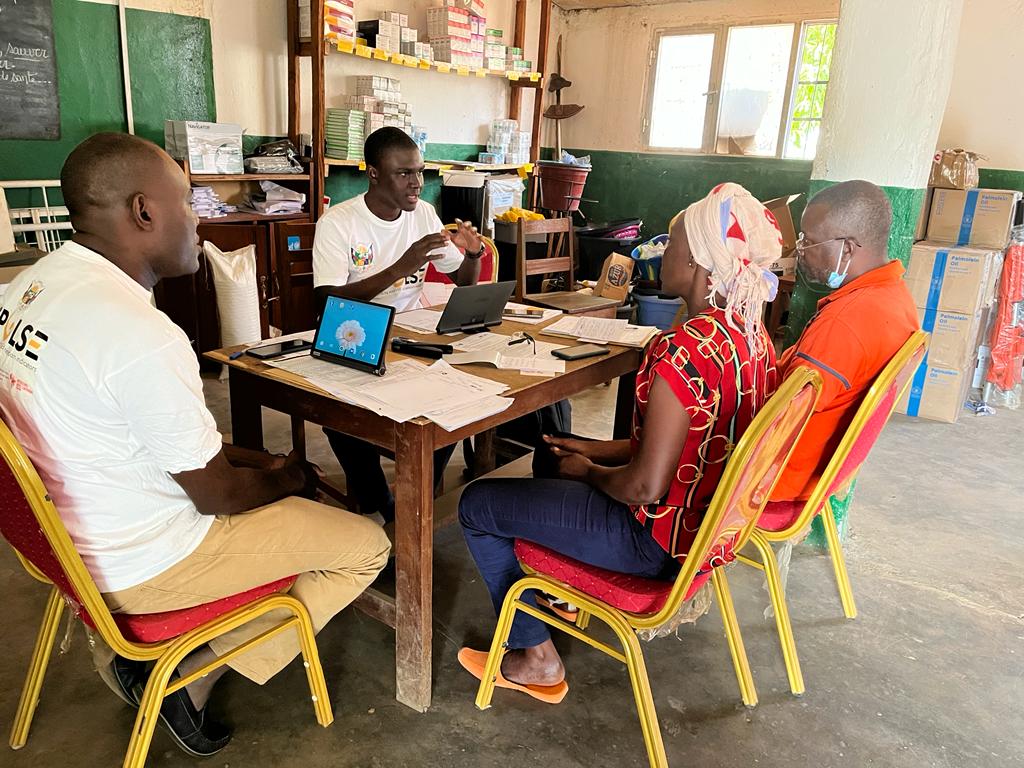
The health situation also presents significant challenges, with infectious diseases such as malaria, tuberculosis and HIV/AIDS, especially in rural areas and among the most vulnerable populations. Access to basic health services is limited, with shortages of qualified medical personnel and adequate infrastructure, especially outside major cities. Infant and maternal mortality are still high, due to complications during childbirth, malnutrition and preventable diseases.
In 2022, Uganda’s neonatal mortality rate was approximately 18.4 deaths per 1,000 live births. This highlights the urgent need to improve neonatal care in the country, where access to quality health services is limited and resources are scarce.
(Source: data.who.int)
Uganda in numbers
Uganda in numbers
Our intervention
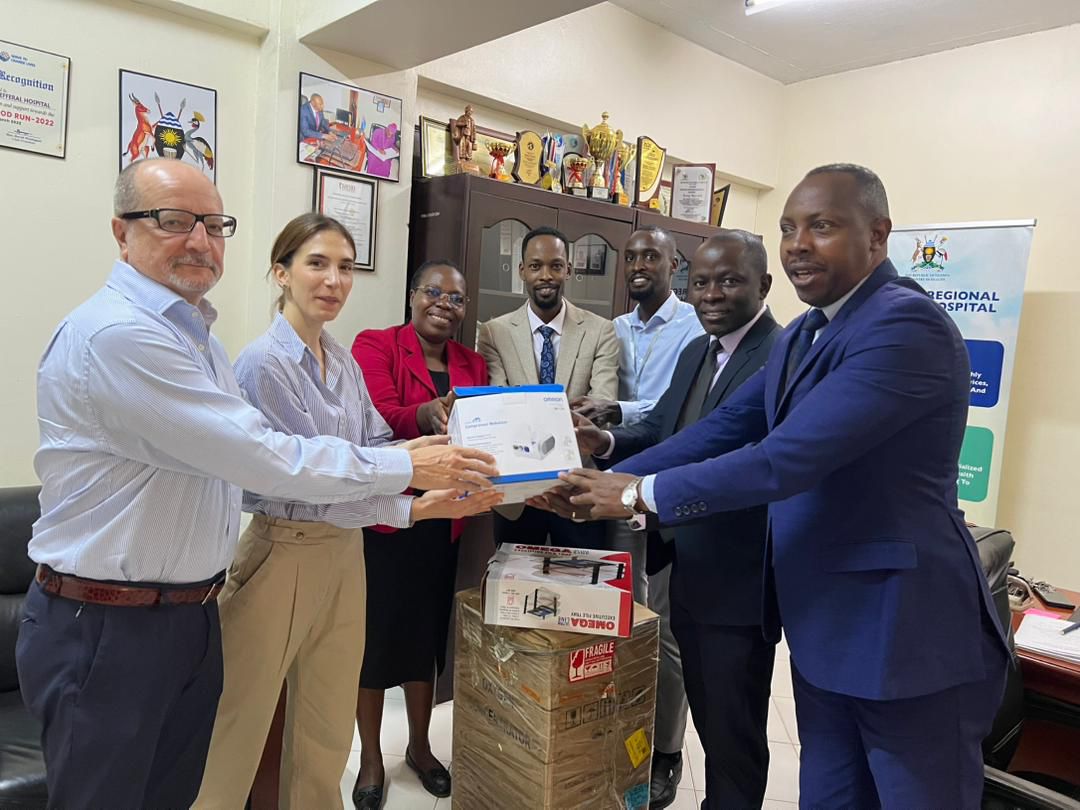
In Uganda, the intervention aims to establish a structured and sustainable system for the diagnosis and management of respiratory diseases in both adults and children at Mbarara Regional Referral Hospital. The initiative focuses on strengthening local infrastructure, human resources, and clinical capacity to ensure long-term impact.
Key activities include improving access to diagnosis and treatment through the provision of adult and pediatric spirometers, oxygen concentrators, nebulizers, and essential inhaled medications. Clinical capacity is further enhanced through the establishment of a new Pediatric Chest Clinic and the strengthening of two existing clinics for post-tuberculosis patients and adult respiratory patients, supported by adequate staffing.
The program also invests in specialist training, enabling local clinicians to participate in national and international capacity-building initiatives.
Finally, the intervention promotes data-driven care and governance through the development of a structured clinical database, enabling the monitoring of patient outcomes and supporting institutional advocacy efforts.
The intervention is implemented in partnership with Global Health Collaborative, Ltd., which leads local implementation, and benefits from technical and scientific support from Massachusetts General Hospital (USA).
Our intervention
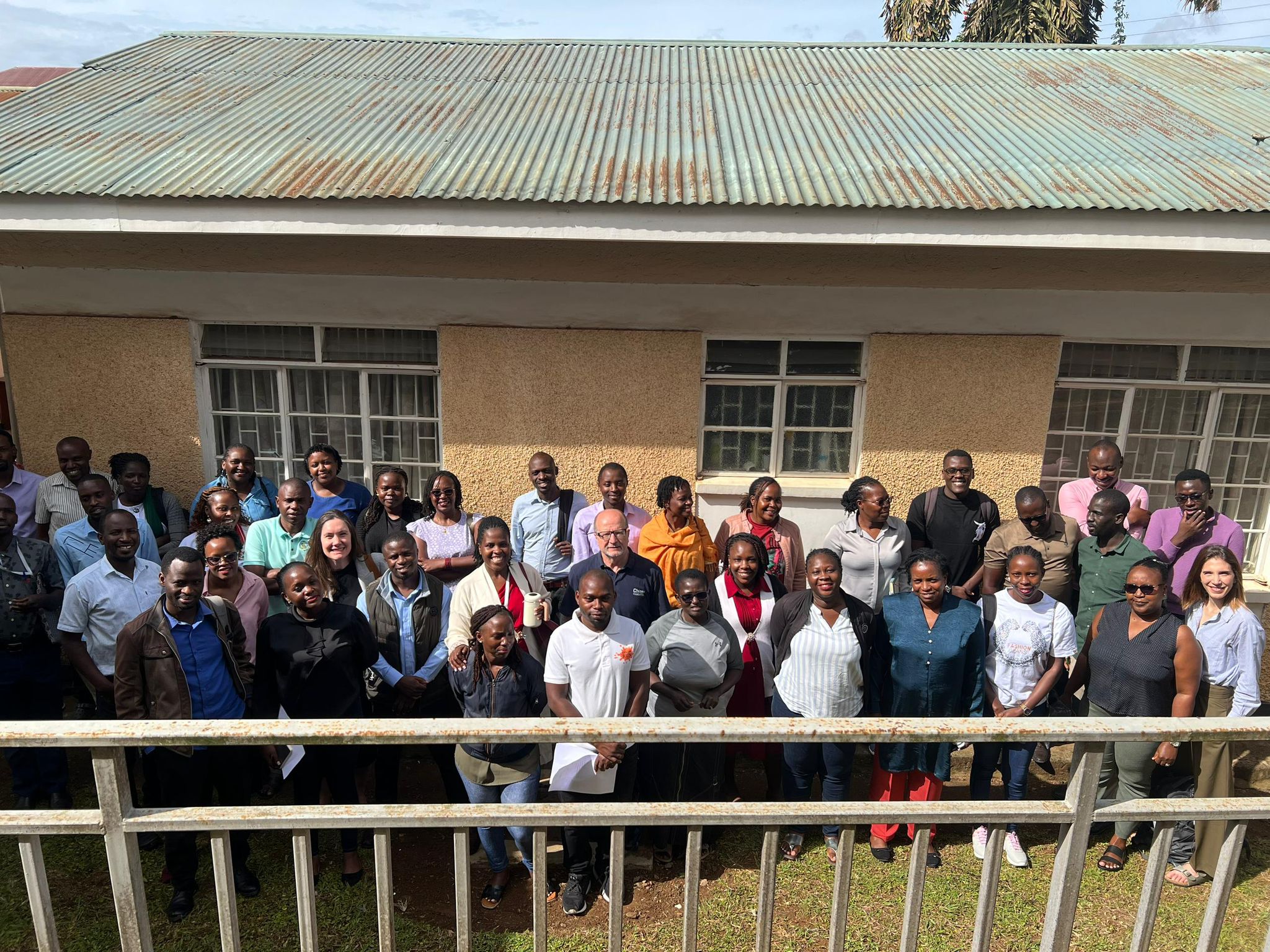
In Uganda, the intervention aims to establish a structured and sustainable system for the diagnosis and management of respiratory diseases in both adults and children at Mbarara Regional Referral Hospital. The initiative focuses on strengthening local infrastructure, human resources, and clinical capacity to ensure long-term impact.
Key activities include improving access to diagnosis and treatment through the provision of adult and pediatric spirometers, oxygen concentrators, nebulizers, and essential inhaled medications. Clinical capacity is further enhanced through the establishment of a new Pediatric Chest Clinic and the strengthening of two existing clinics for post-tuberculosis patients and adult respiratory patients, supported by adequate staffing.
The program also invests in specialist training, enabling local clinicians to participate in national and international capacity-building initiatives.
Finally, the intervention promotes data-driven care and governance through the development of a structured clinical database, enabling the monitoring of patient outcomes and supporting institutional advocacy efforts.
The intervention is implemented in partnership with Global Health Collaborative, Ltd., which leads local implementation, and benefits from technical and scientific support from Massachusetts General Hospital (USA).
Our main activities in Uganda
Provision of essential equipment including spirometers, oxygen concentrators, nebulizers, and inhaled therapies.
Establishment of a Pediatric Chest Clinic and strengthening of adult respiratory and post-tuberculosis services.
Training and upskilling of healthcare professionals through national and international programs.
Improving data systems to monitor outcomes and support evidence-based decision-making and advocacy.
We also work in