Improving access to neonatal care in sub-Saharan Africa
Improving access to neonatal care in sub-Saharan Africa
IMPULSE: Improving Quality and Use of Newborn Indicators
Launched in 2021 as part of the NEST Model, the IMPULSE (IMProving qUaLity and uSE of newborn indicators) project aims to improve the availability, quality and use of newborn health data, so that reliable information can support service monitoring, decision-making and improving the quality of care for mothers and newborns.
Funded by the Paolo Chiesi Foundation and implemented by a consortium of international and national partners – including the London School of Hygiene and Tropical Medicine (LSHTM), the WHO Collaborating Centre of Trieste (IRCCS Materno Infantile Burlo Garofolo), Doctors with Africa CUAMM, the Ifakara Health Institute, and the Makerere University School of Public Health – IMPULSE was implemented in Ethiopia, the Central African Republic, Tanzania, and Uganda through two consecutive phases, developed between 2021 and 2026.
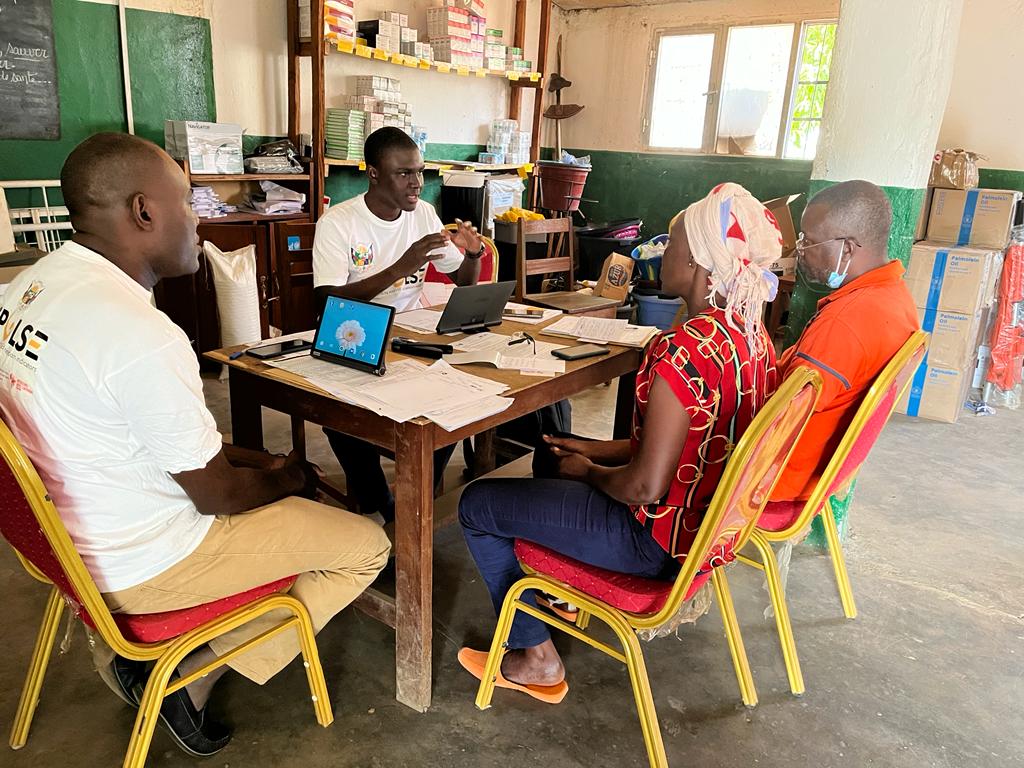
Phase 1: Assess data quality and use
The first phase (2021–2024) conducted a multicenter evaluation of the systems for collecting, managing, and using neonatal health data in the four participating countries. Through a common approach and the use of EN-MINI tools, the availability, quality, and use of key neonatal indicators were analyzed.
The results highlighted significant gaps in data systems and identified shared priorities for strengthening them. The phase also produced new scientific evidence through studies and publications on the quality and use of neonatal data in resource-limited settings.
Phase 2: Develop and implement solutions
The second phase (2024–2026) used the evaluation findings to develop and implement interventions tailored to the needs of individual countries.
In Ethiopia and Uganda, the project worked primarily on strengthening DHIS2 systems, through new configurations, data visualization tools, operational guidelines, and staff training.
In the Central African Republic and Tanzania, the intervention focused on improving clinical documentation for neonatal care, through the co-creation of standardized tools for data collection and monitoring.
The second phase also included the development of digital training tools to strengthen healthcare workers’ skills in using data.
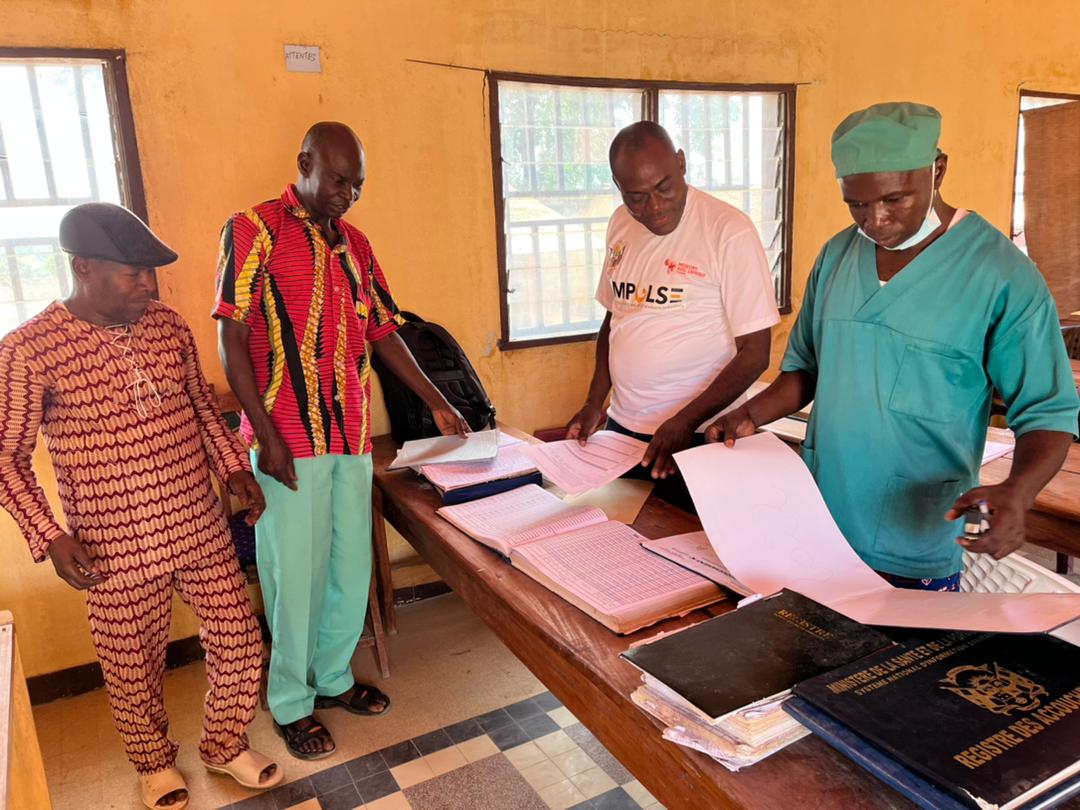
From research to action
Throughout its two phases, IMPULSE followed a progressive path from data systems evaluation to the design and implementation of concrete solutions, with the aim of strengthening the capacity of health systems to produce, use, and leverage reliable data.
The production and dissemination of scientific evidence, through publications and participation in national and international conferences and events, also represents a cross-cutting component of the project.
In collaboration with